Recovery · November 2008 · 6 min read
Your Brain: A Key Muscle in Rehabilitation
By Robert B. Andrews, MA, LMFT
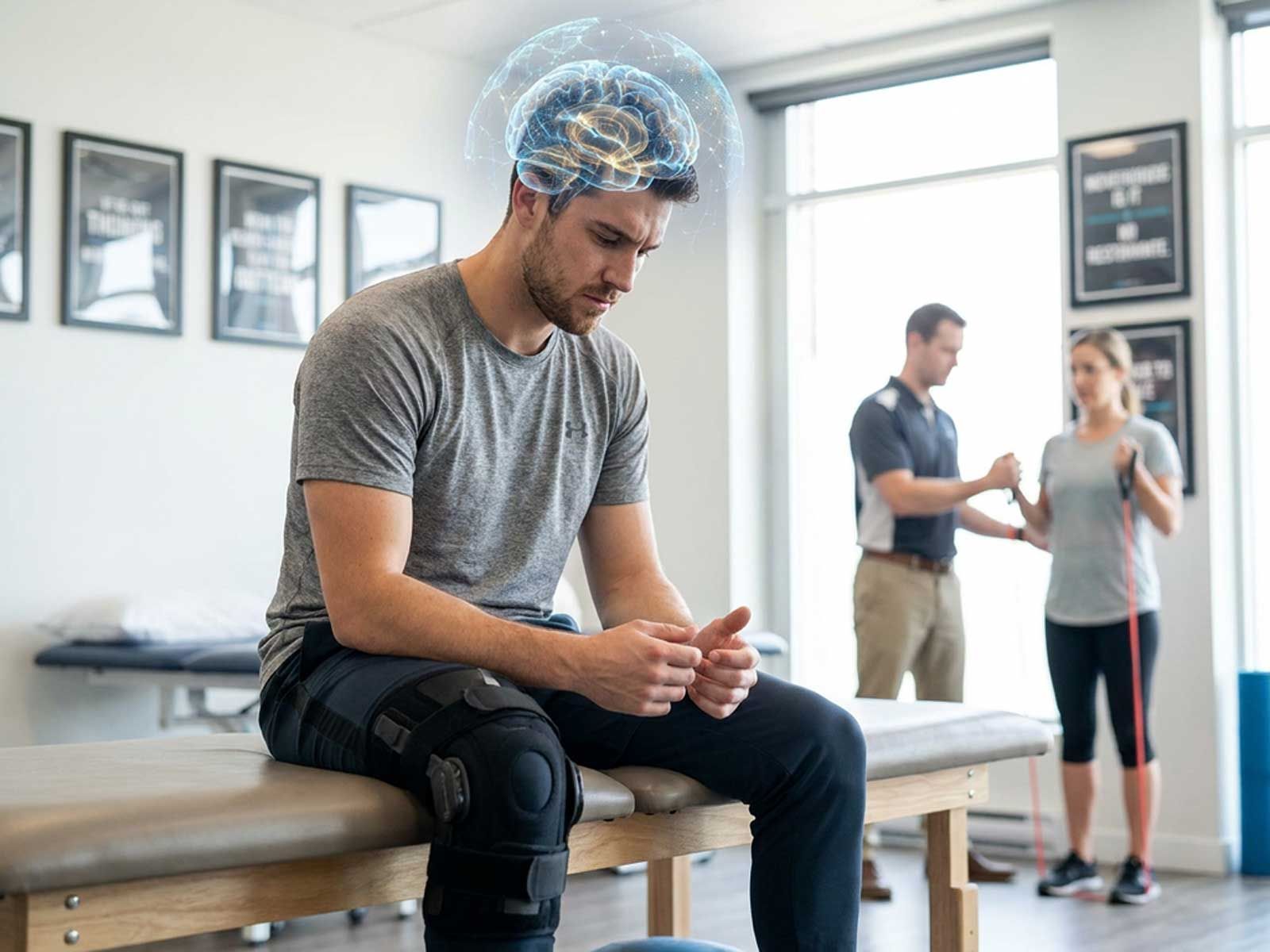
This article was originally published in NATA News - February, 2008
"I have a basketball player who suffered a torn ACL. After surgery and rehab, she still hesitates. How can I help her regain her competitive spirit and trust her knee?"
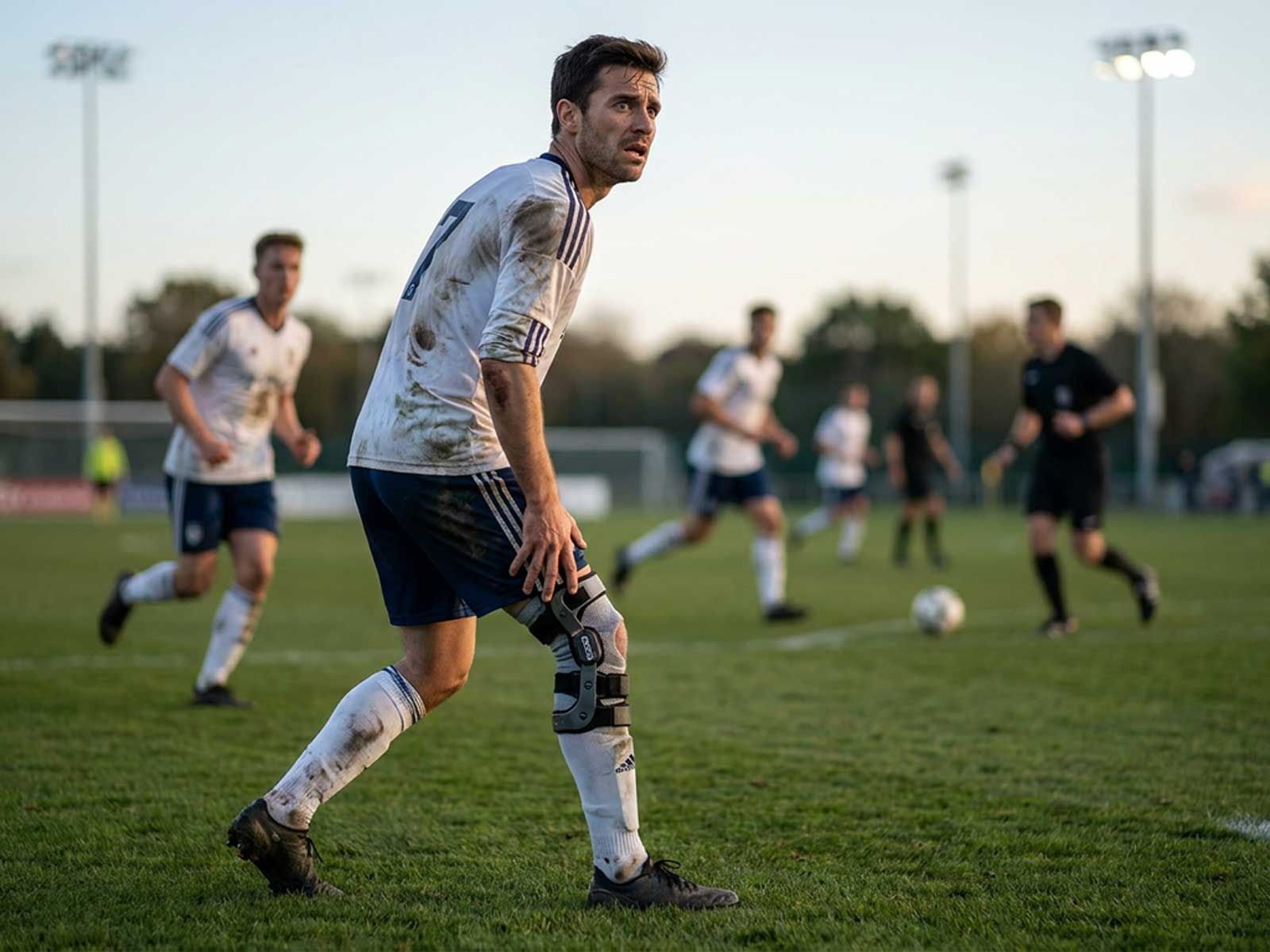
It is not uncommon for an athlete to experience hesitation and a diminished competitive spirit after knee surgery.
It is also common for athletic trainers to seek the best way to help an injured athlete through this phase of recovery. The AT remembers how the athlete performed before the injury and wants to help them return to that level of performance quickly.
But athletic injuries change a person. Something is taken from the athlete who suffers an injury. Because of an injury, athletes might miss a game, a season, or an entire career. They might lose mental and emotional spontaneity and freedom when they compete. And they might miss out on the thrill of a long playoff run and the excitement of being a part of something bigger than themselves.
A physical injury can easily cause mental pain and feelings of loss. Each loss is specific to the athlete, and no one knows how deeply affected they are—unless we ask.
Athletic trainers should consider the athlete's mental and emotional injuries, as well as the physical injuries. The athlete can recover from the injury in a profound way. He or she can reclaim much of what has been lost if given the opportunity to work through the injury physically, mentally, emotionally, and spiritually.
Collaboration
As athletic trainers can attest, it takes a team to treat a team. Athletes rely on ATs, personal coaches, nutritionists, sports counselors, and many other types of providers to gain a competitive edge.
Use this collaborative approach! Find a mental health professional you trust and build a working relationship with them so you know where to refer an athlete who needs specialized support on the road to recovery.
Sports injuries and trauma
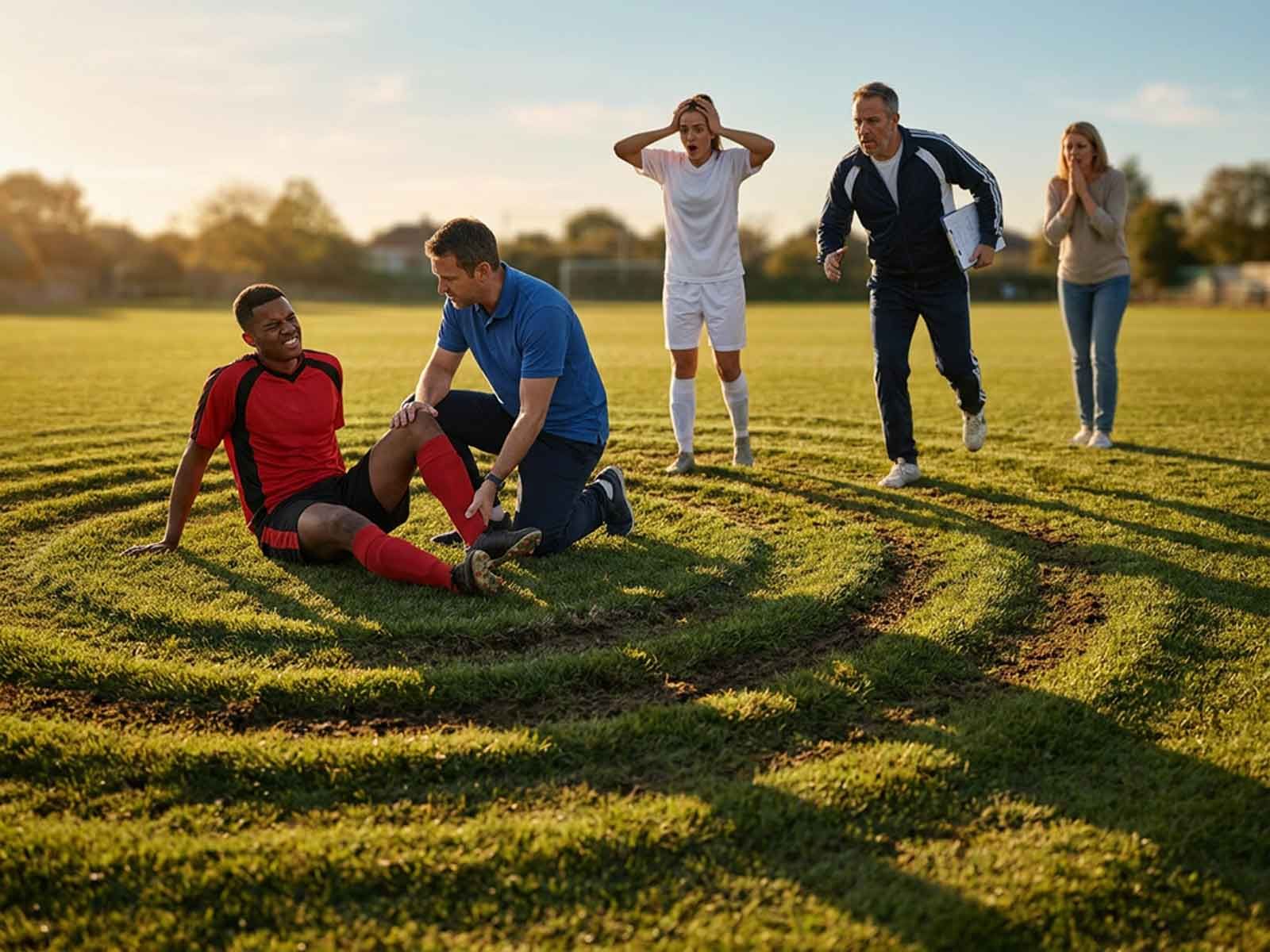
ACL injuries can cause trauma on several different fronts. Typically, an athlete might experience:
- Immediate physical pain;
- Feelings of frustration and loss at not being able to participate;
- A wide range of emotions if surgery is required.
- Once the athlete begins to move the leg, which nowadays is immediately after surgery, s/he faces more intense agony. Back in the days when they put ACL injuries into a hard cast, I actually witnessed athletes faint when they viewed their leg once the cast was removed; the level of atrophy was so alarming that they could not cope.
- Physical pain and mental frustration during rehabilitation.
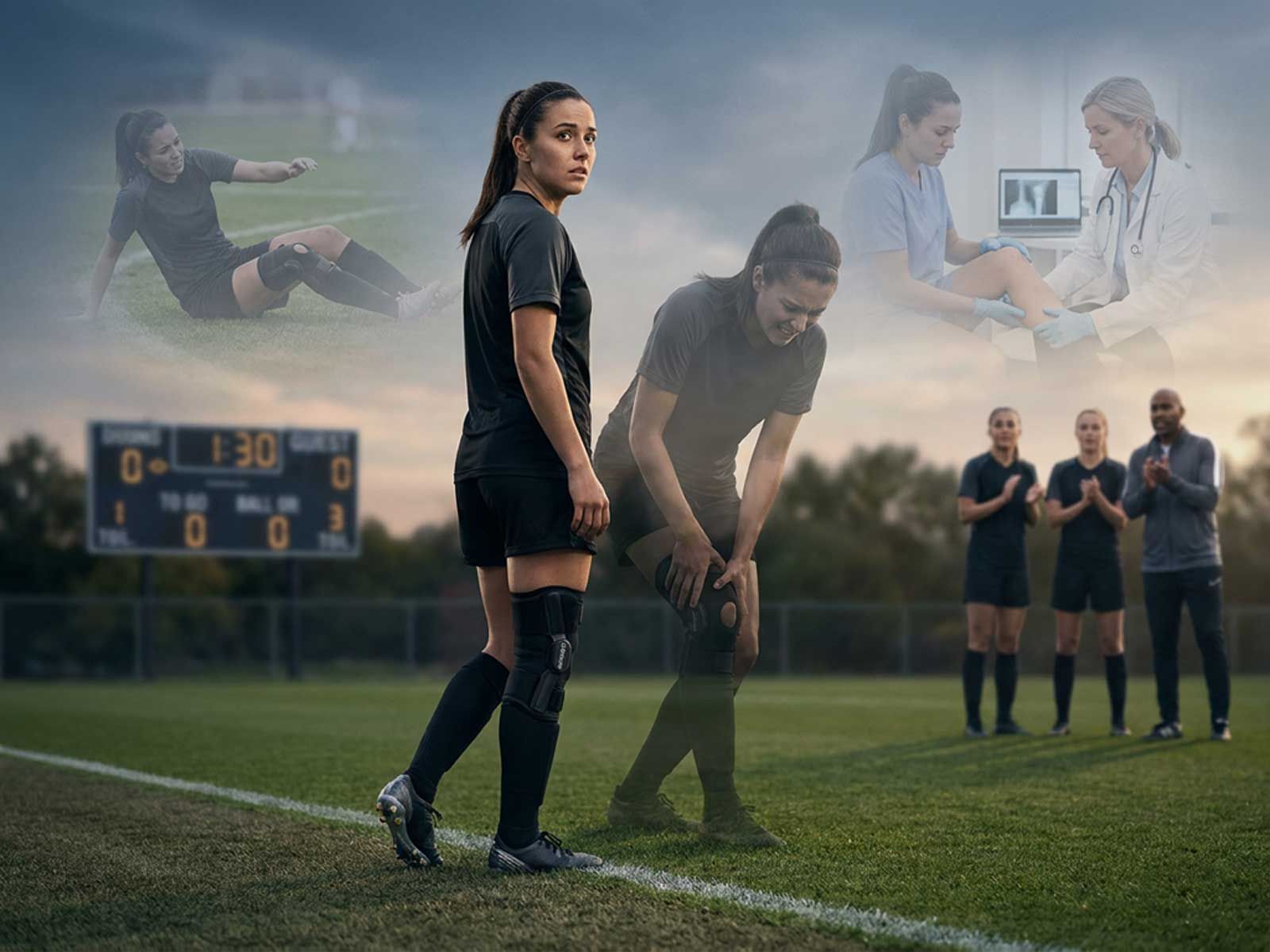
The collective emotional and mental suffering the athlete experiences—from the point of injury to the end of physical rehabilitation—represents a significant obstacle to complete recovery.
The athlete might look physically recovered, but the inner world of the injured athlete requires its own recovery process.
Outside the box
I was talking with a high school coach about an athlete who had suffered a torn ACL. We discussed the order of care this athlete received: athletic trainer, team physician, orthopedic surgeon, and so on. I asked him if the athlete should be ready to go once he was released and declared fit to play. He answered yes; they are considered 100 percent after all the health care professionals sign off.
We then went over the timeline from injury to full physical recovery, and I asked him whether he thought the athlete experienced intense emotions or mental stress at any point in the healing process. There was a long pause, and he said, "Absolutely!" So I asked him who helps the athlete cope with this cauldron of emotions, and after another long pause, he said no one does.
I talked with an athletic trainer about another ACL-related injury. This AT told me they have the athlete go out and purposely suffer a fall to get him or her past the fear of re-injury. The theory is that after a first fall, the returning athlete is fine.
I wish it were that simple.
How the athletic trainer can help
So to get back to the question... "I have a basketball player who suffered a torn ACL. After surgery and rehab, she still hesitates. How can I help her regain her competitive spirit and trust her knee?"
Athletic trainers can enhance the athlete's recovery by working with him/her on the physical component to the ACL injury and, equally important, by keeping in mind that the athlete has been through a tremendous emotional and mental crisis as well.
In this phase of recovery, look for signs that the athlete is having difficulty trusting his or her leg again. Here are some red flags to watch for:
- A limp that should not be there;
- Walking gingerly or favoring the recovered knee;
- Continuing to flex and extend the leg
- Isolating himself/herself from teammates;
- Irritability and anger
- Hesitation to participate in drills
Talk with the athlete about what is going on in that moment.
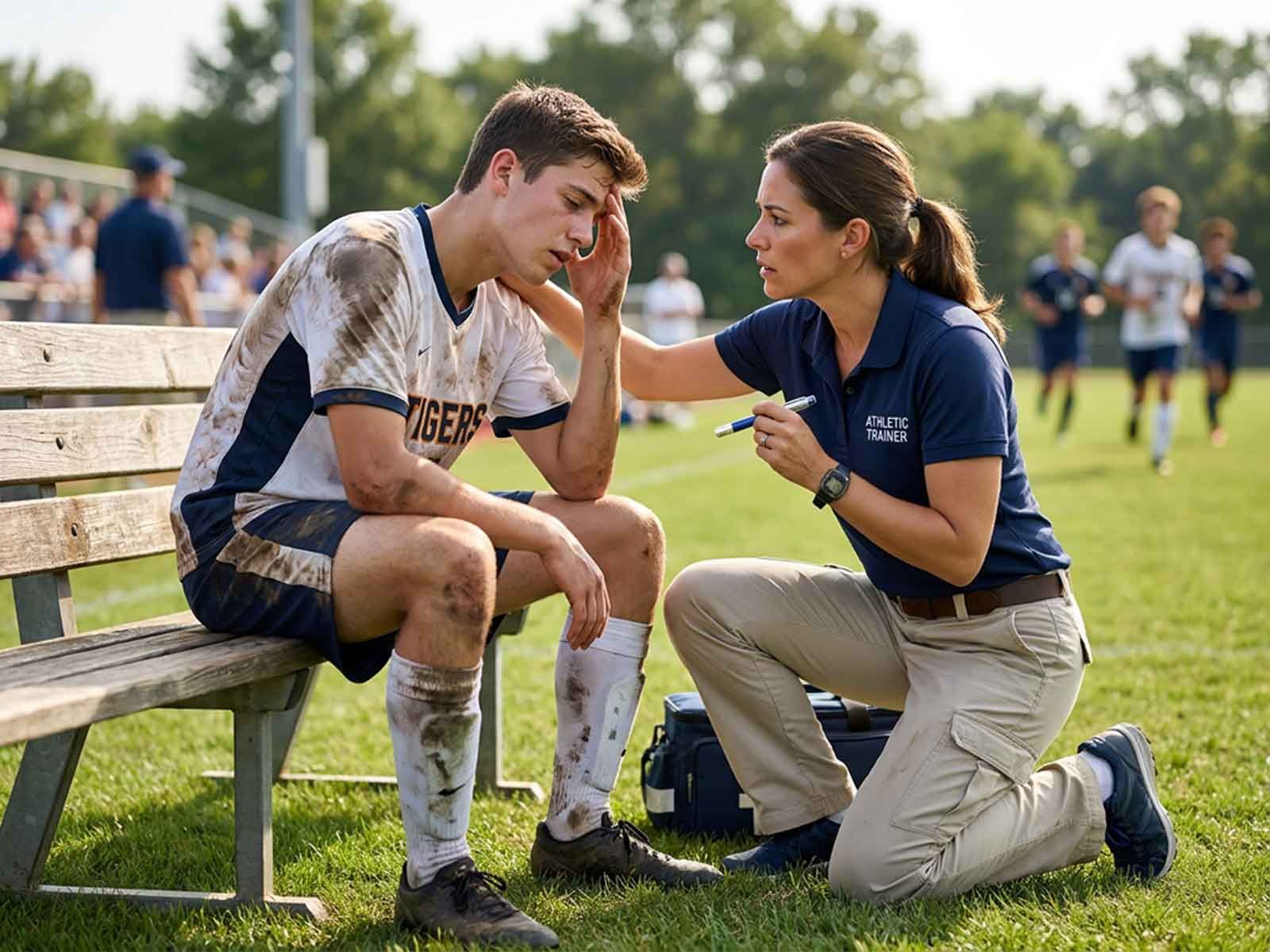
You might also talk to her about different aspects of the recovery process. But let's be clear: I am not encouraging you to become the athlete's therapist or sports psychologist, but rather an ally who gathers information relating to the athlete's emotional and mental state.
As a way to gather this important information, you might ask them what it was like to undergo surgery. What did they miss about not being able to compete? What was it like when they started walking again? How painful has the rehabilitation been?
As you listen to the athlete, be aware of any unfinished business related to the injury. Places where the athlete is hesitant to go, mentally and emotionally.
These are warning signs that more attention and care are required to help the athlete navigate the complex emotional and mental aspects of the sports injury.
This is where the collaborative approach to healing and rehabilitation can be used to connect the athlete with the right person.
Conclusion
I have worked with many athletes who have suffered ACL injuries. Their parents, athletic trainers, and coaches all tell me they seem terrified, afraid to do anything for fear they'll be unable to do anything.
The physical aspect of the recovery process is obviously critical. The mental, emotional, and spiritual components must also be addressed.
Athletes have recovered from ACL injuries for decades, yet most of them have not been directed to do the inner work necessary to complete the recovery process.
Some might argue they have done fine and made their way back by focusing only on physical recovery from the injury. How much more profound would the recovery process be if we, as caregivers, embraced a model that heals not only the athlete's physical injury but also the heart, mind, and spirit?
As an athletic trainer, do everything you can to help them work through the injury physically. Progressively move them along, let them do increasingly demanding and complex movements and exercises, and provide them with a place to talk about what they have been through.
If the athlete does not seem to be regaining confidence, intensity, and focus in their sport, suggest they visit a therapist or sports counselor who understands the traumatic nature of sports injuries. Utilize the resources available to help the athlete work through the injury on the physical, mental, emotional, and spiritual fronts.