Family · April 2020 · 3 min read
What Happens When a Season Disappears?
By Kierstin Collins, MS, LPC
Drug and alcohol issues and the sports shutdown
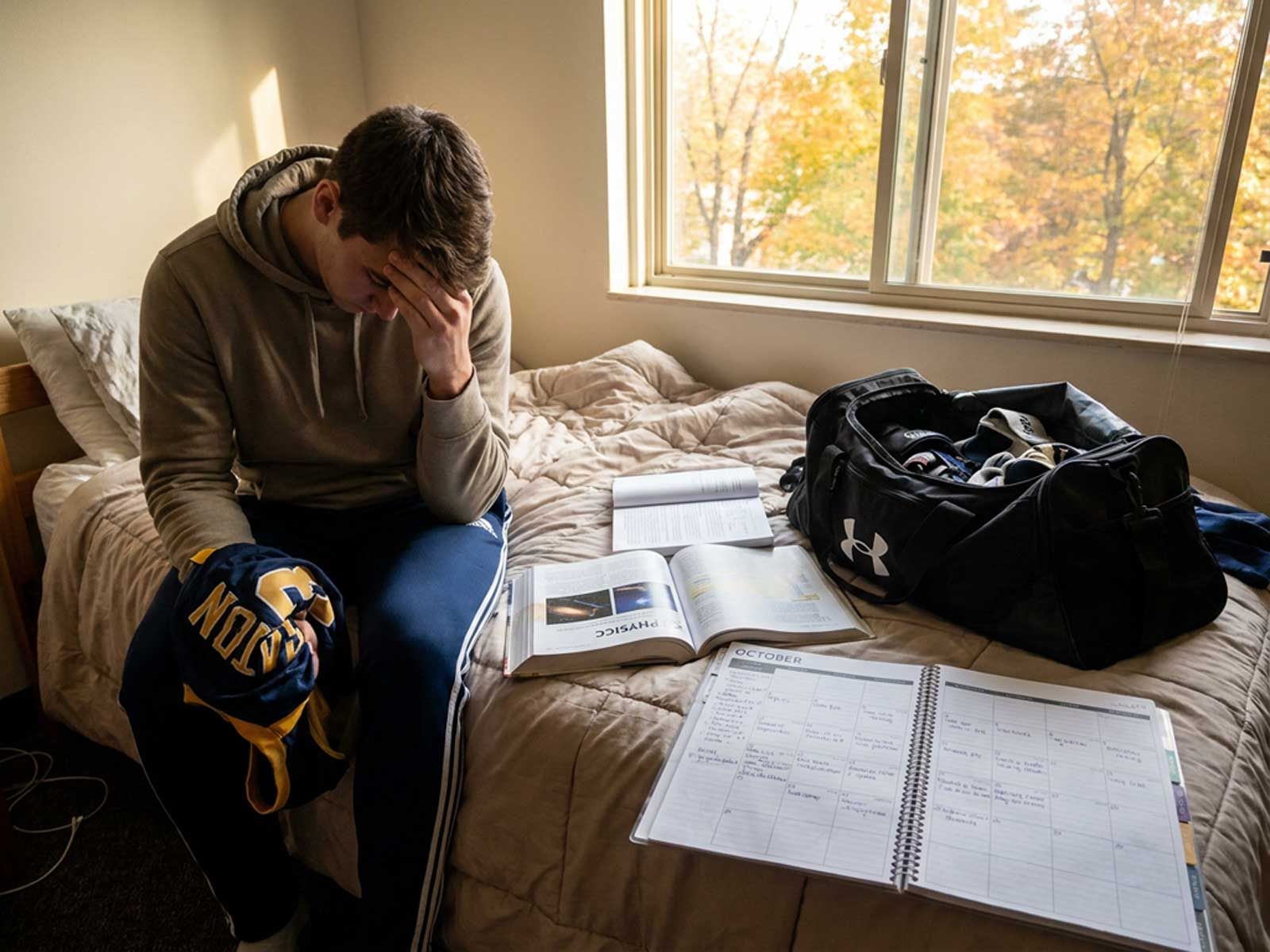
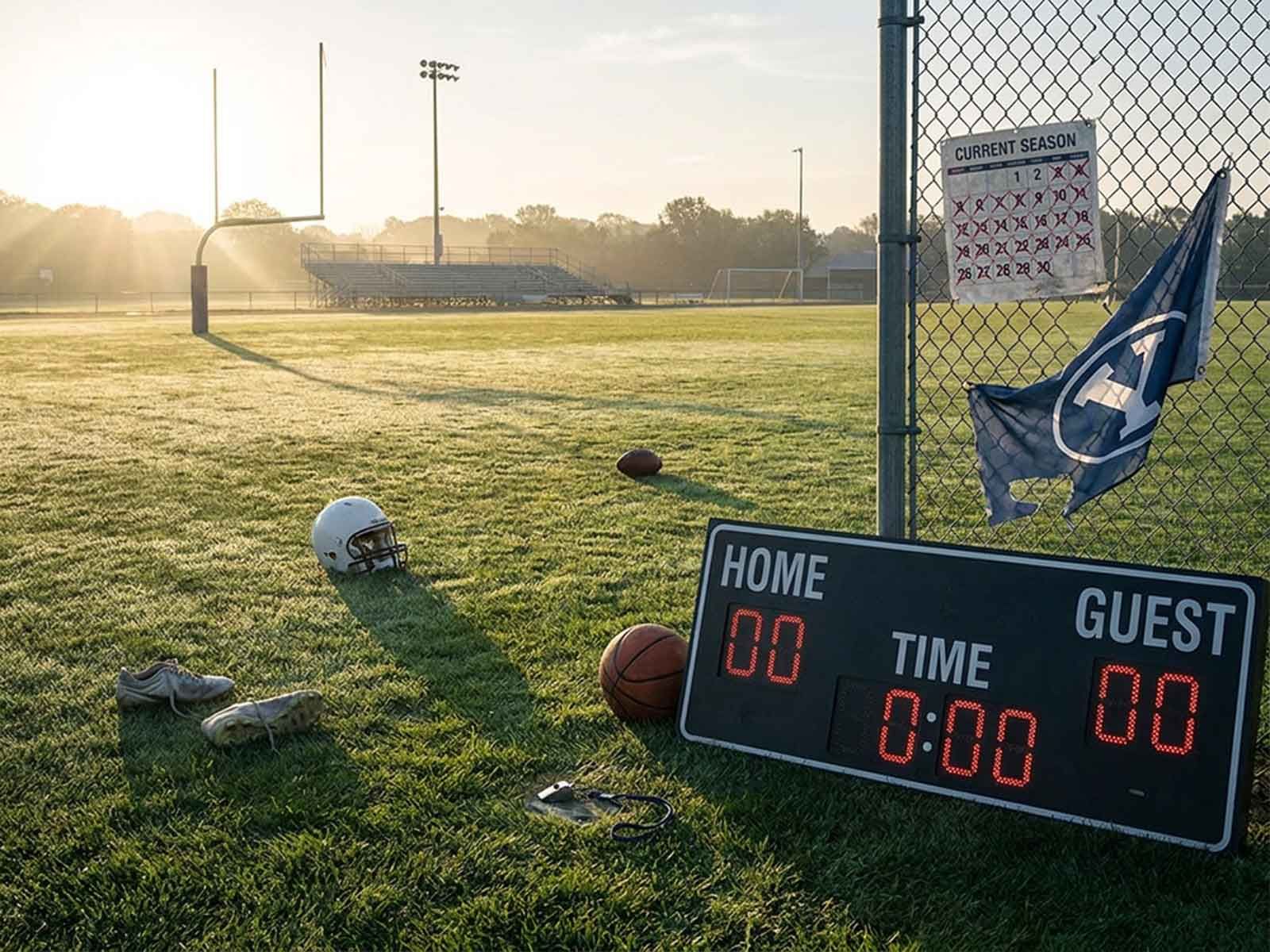
With gyms, fields, pools, and competitions closing overnight, athletes are left without structure, routine, and much accountability. They are suddenly home, sleeping in, staying late, and separated from teammates and workouts. Some may be relieved for a break from grueling training or a competition year that wasn’t shaping up to be their best. Some will enjoy being a “normal” college-aged kid or young adult by doing the same things as their peers. Like drinking alcohol, the way training was never allowed. The typical barrier to partying that training provides (a week, a training cycle, or a dry season) is gone, and with every postponement, competition seems further and further away.
Athletes are conditioned to do things with intensity, whether on the field, in the pool, or in the weight room, and social activities are no exception. Squishing a week’s worth of “normal” college drinking and socializing into one night off from training each week is a common practice. To an athlete’s detriment, alcohol is shown to dehydrate the body, deteriorate muscle growth, and reduce recovery in significant ways. Let’s not forget the unnecessary, often greasy meal accompanying a night out. Most athletes will experience cumulative negative effects, but because they are still attending workouts and games, they will think their bodies aren’t impacted. They will also wonder why they aren’t hitting the time, weight, or place they wanted to or were capable of in the past. All this from one night out a week. Now, enter the sports shutdown. With little activity to pour all that intensity into and no workout, game, or performance soon to prepare for, that once-a-week binge easily becomes a nightly habit.
However, as the saying goes, “This too shall pass.” This quarantined world will end, sports will return, your goals will still be there, and all eyes will be on athletes, maybe more than ever. Those virtual happy hours may have seemed harmless then, but now they bring weight gain, muscle loss, and reduced mental clarity into athletic performance, putting an athlete behind the competition. Maybe they even exposed a habit that is now hard to break. Enough alcohol or drugs, combined with a genetic predisposition or mental health issue, put even the healthiest of athletes at high risk of developing an addiction. A biological disease that tricks the brain into believing it needs those substances to survive. Suddenly, sports are a mere sidekick to the urge to drink or use drugs.
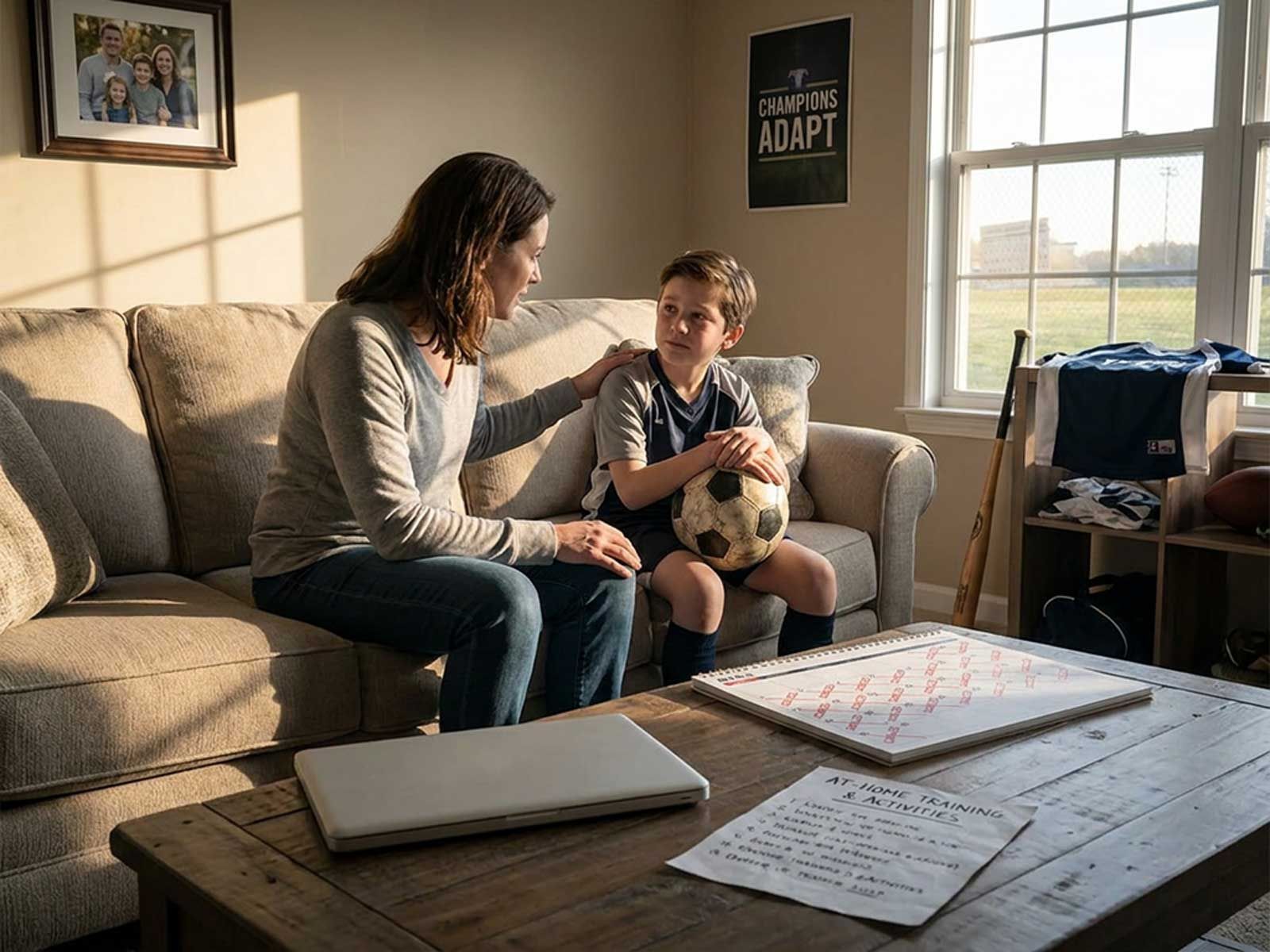
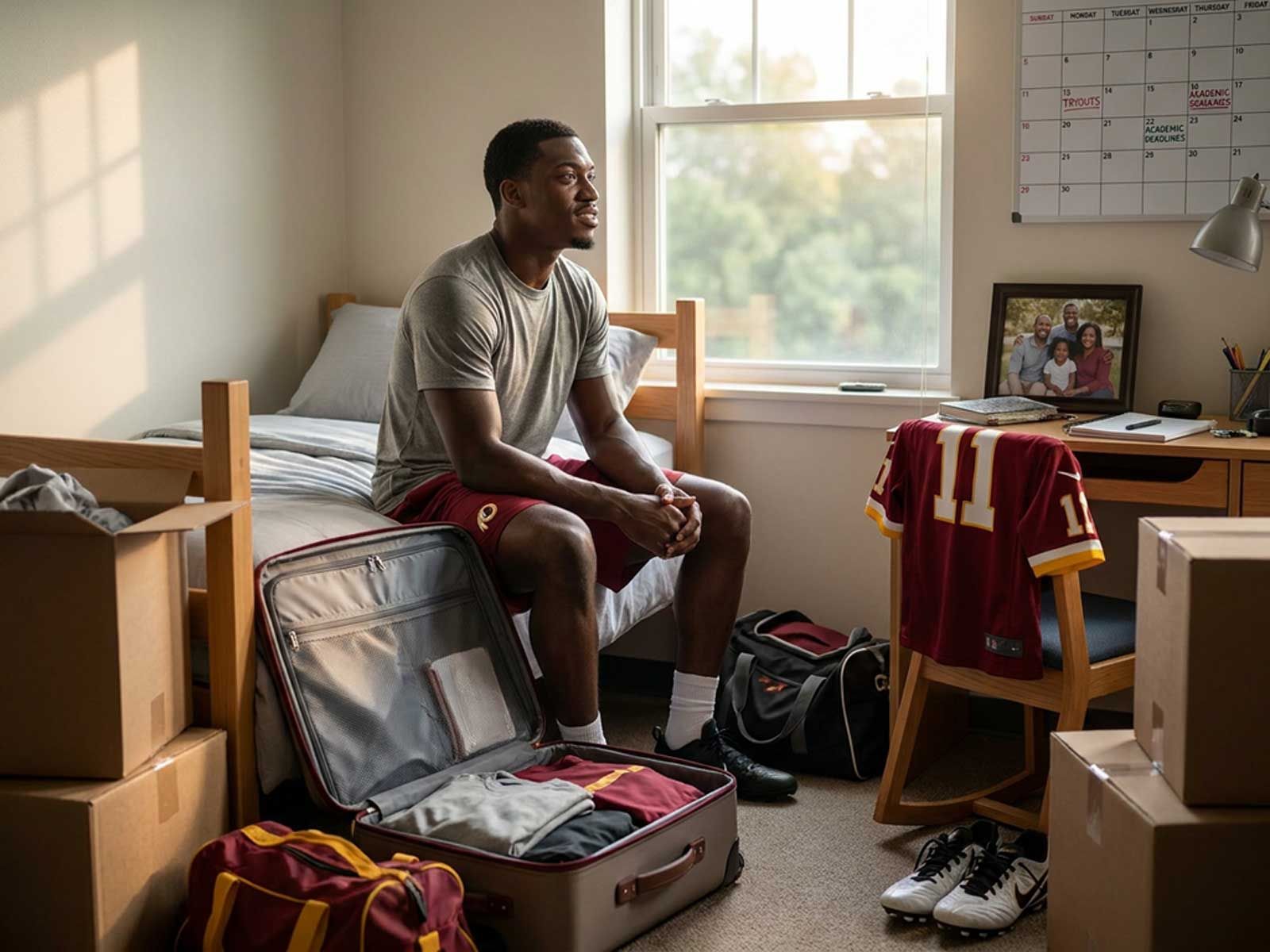
What happens now will help or hinder how the game is played later. During this time, athletes must find a “new normal” to be their best selves when sports return. Find ways to fill your time and provide accountability to avoid these risky behaviors. Ask yourself if what you’re doing now contributes to what you want to do in the future.
Warning signs of substance abuse:
- Increased alcohol or drug consumption
- Decreased motivation or interest in activities
- Isolation from teammates, friends, or family members
- Difficulty completing workouts or skipping them altogether
- Others around you express concern about drinking or drug use
If these stand out to you or someone you know, talk to a trusted family member or friend, or contact a professional to help get you and your game back on track.