Coaching · March 2026 · 7 min read
Learning Styles and Effective Coaching: Empowering Your Athlete To Their Full Potential
By Robert B. Andrews, MA, LMFT
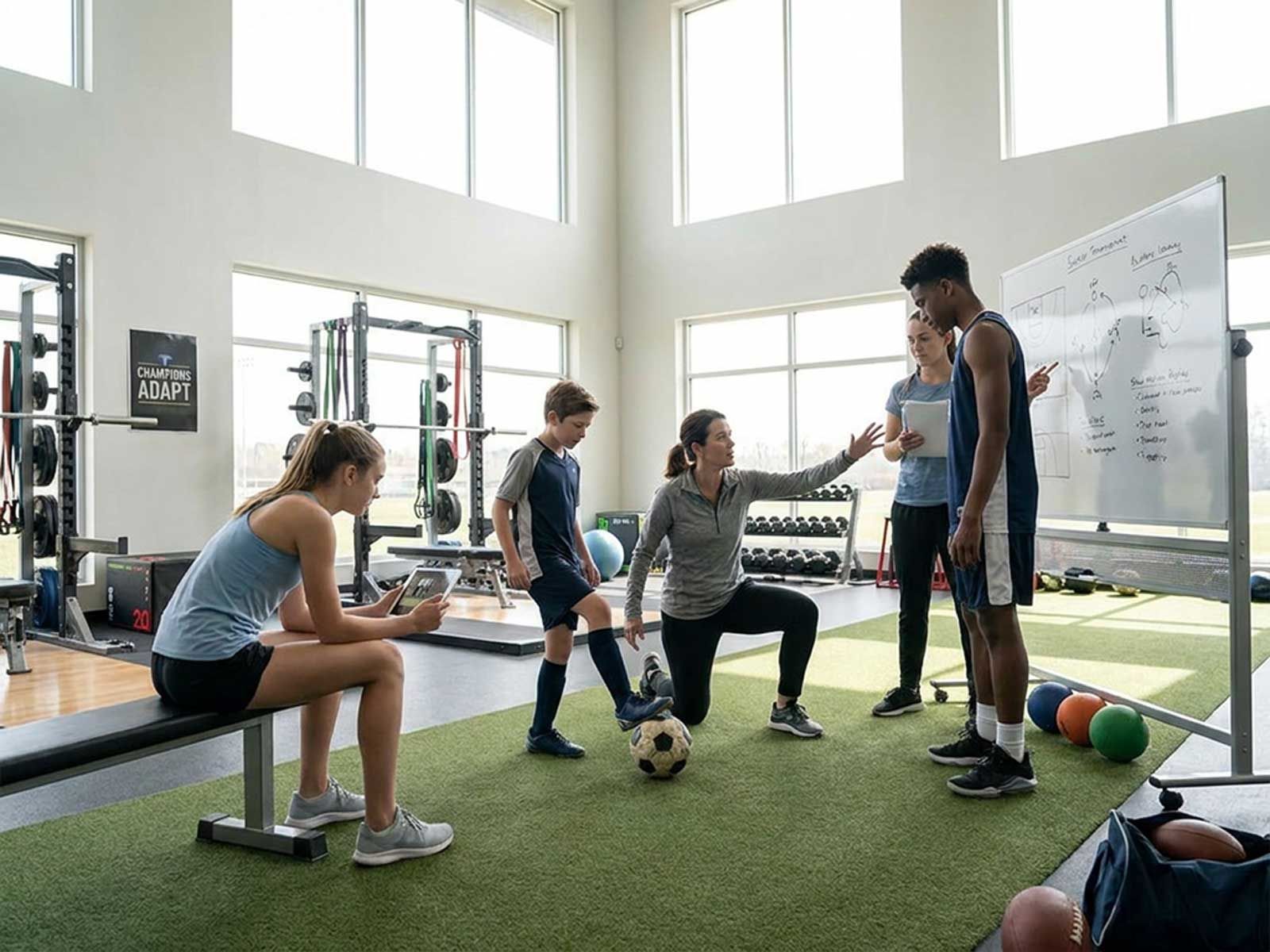
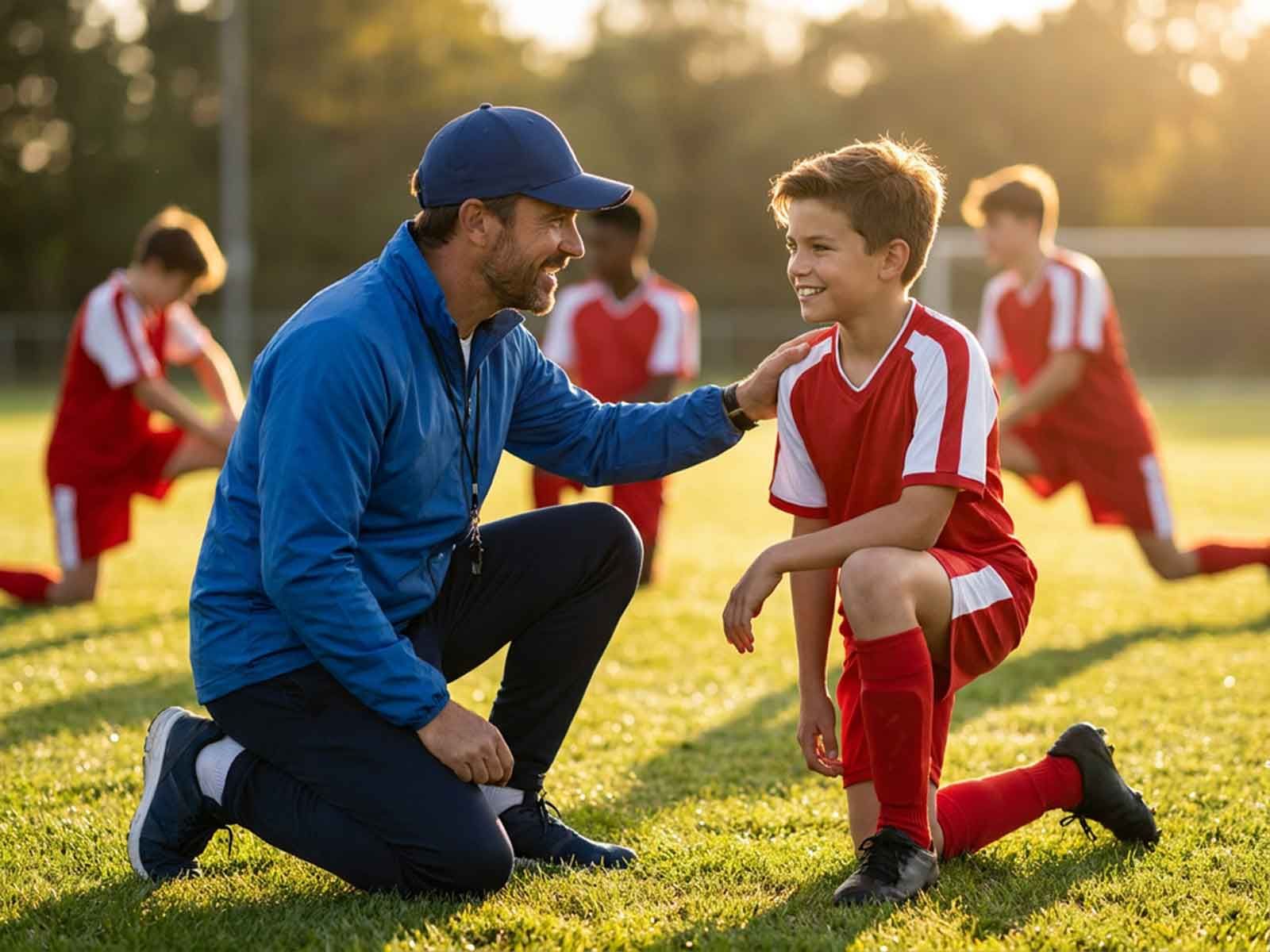
Every athlete has a way of being taught and coached that ignites their passion for their respective sport. Finding the most effective and efficient way to coach your athletes can eliminate many stressful coach-athlete interactions and make for a more rewarding and successful journey between coach and athlete. After all, helping your athlete reach their full potential and achieve their dreams is a journey that may last for years. Your coaching style plays a significant role in how this journey unfolds and in what each of you finds at the end of the road you will travel together.
When coaches can reach their athletes with effective, empowering learning strategies, athletes learn faster, acquire skills and techniques more quickly, reach loftier goals, and enjoy their sport more. The coaching experience is also more enjoyable and rewarding for the coach.
This doesn't mean that you have to coach every athlete differently. It means you can learn to coach using a variety of teaching and learning styles with your whole team, enabling you to reach every athlete effectively.
I hear from many coaches who are frustrated with their athletes' lack of progress. I also hear from many athletes who are frustrated with their interactions with their coach or coaches.
In many sports, there is a dynamic in which athletes are sent clear messages not to ask questions, voice their opinions, speak up, or challenge a coach's tone, treatment, or coaching techniques. The coach coaches, and the athlete trains. The relationship is usually good until frustration increases and tension builds.
The personalities of coaches and athletes can change dramatically under this kind of stress.
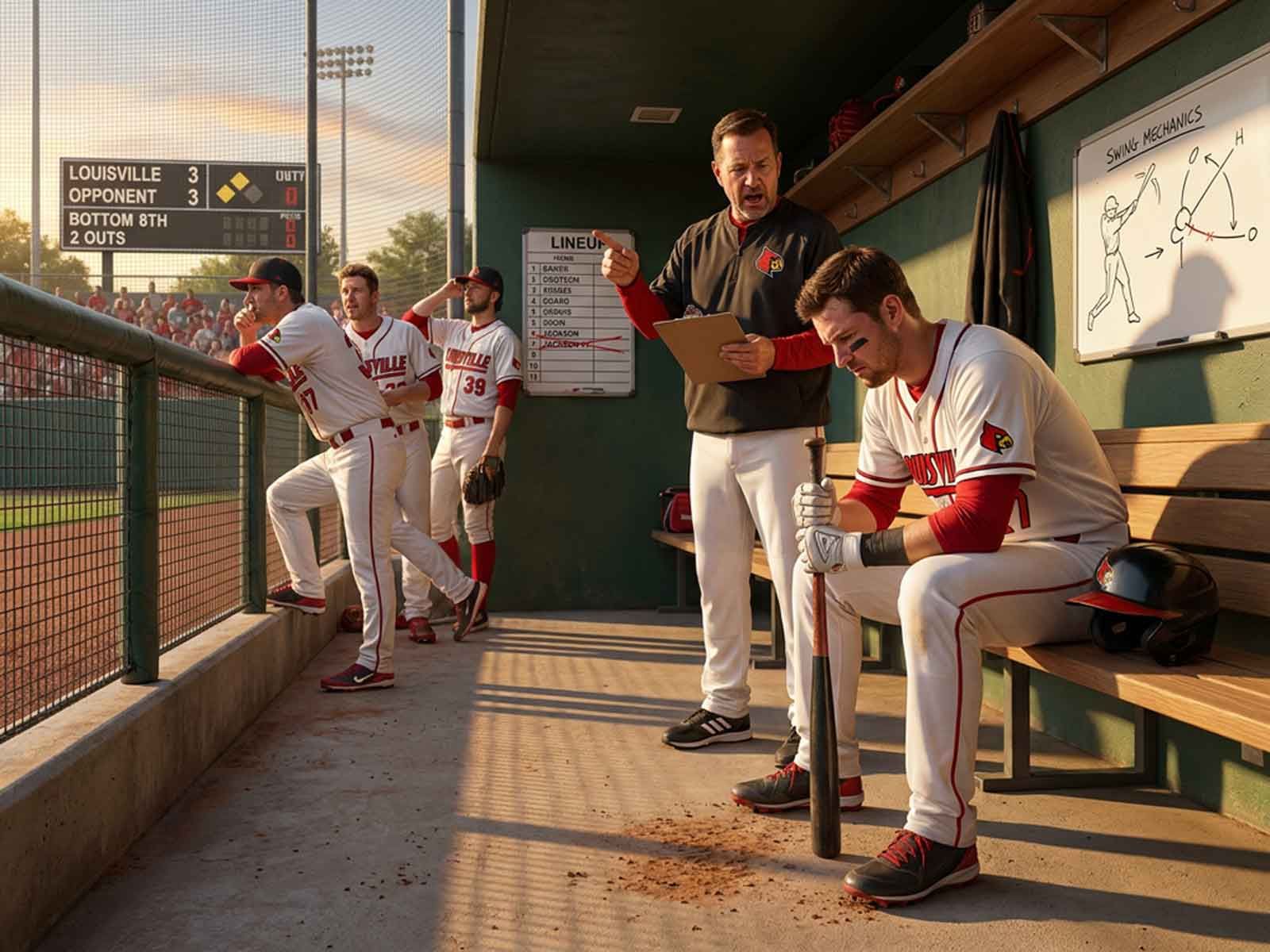
When something goes wrong in training, "corrections" or feedback are given to help the athlete get back on track and progress. Too often, these corrections bypass the athlete's most effective learning style, and the athlete does not improve as quickly as the coach might like. The coach might become frustrated, try to implement these corrections again ineffectively, and continue this cycle of ineffective coach/athlete interaction.
Over time, more of the athlete's energy goes into avoiding mistakes and upsetting their coach. Coaches can begin to "put the athlete in a box" or see them as incapable or uncoachable.
Using energy efficiently
Mental and emotional energy are the driving forces behind excellence and brilliance in sports. This energy is critical to building confidence, passion, and rock-solid beliefs.
Effective coaching helps the athlete channel this energy into acquiring and mastering the physical skills necessary to compete at the highest level. Physical, mental, and emotional energy move in a highly efficient and productive direction.
Ineffective coaching creates an environment in which more of the athlete's mental and emotional energy is diverted from training and improvement. The athlete's personality can begin to change. The athlete can become passive, timid, too focused on avoiding mistakes, highly emotional, and afraid of upsetting their coach.
The more shut-down the athlete becomes, the more frustrated the coach can become. This can lead to intimidating behaviors from their coach, such as ridicule, shaming, yelling, and ignoring the athlete. Sometimes, the athlete receives extreme physical punishment or can get kicked out of practice.
Four distinctly different learning styles
Every athlete uses a specific learning style, or a combination of styles, to learn most effectively. There are four different learning styles.
Visual Learning: Show the athlete visually what you want them to learn. Visual learners learn best by seeing what they need to work on or improve. Their brains process information visually. Use video, images, or illustrations to show the athlete the feedback or instructions you are trying to give them.
Aural Learning: The aural learner likes to hear feedback, instruction, and correction. Tell them what you want them to learn. Ensure they are paying attention, then give them feedback or instructions using your voice, a recording, or another form of aural input.
Reading and Writing: This learning style prefers reading or writing about the necessary improvements or corrections. When working on skills, they learn best from written feedback that they can process. They also like to write or journal to learn.
Kinesthetic: This learning style likes to hear and see feedback and then go to work, making the necessary changes or corrections to help anchor in effective learning. They process best by taking in feedback visually or aurally, then getting to work on mastering the skills and corrections. Tell them what to do, show them what to do, give them something to read, and then let them get to work. They learn from mistakes, falls, and other struggles. They need time to integrate and learn.
Formula for success
I have worked with world-class athletes in trampoline, men's and women's gymnastics, rhythmic gymnastics, track & field, swimming, fencing, football, baseball, basketball, judo, figure skating, ballet, luge, skeleton, and other sports. These athletes come from all over the world and from many different cultures. In most cases, those who have reached their full potential have worked with coaches who are open to teaching them in ways that maximize learning and evoke passion. This is a common denominator for success at the highest levels.
This doesn't mean an athlete won't reach peak potential with ineffective coaching and teaching. We have seen this in many sports, where athletes are not allowed to question a coach's style or have a voice in their training. These athletes have become Olympic and World Champions.
I strongly believe these athletes could have been even better if they had been coached with more effective and empowering coaching and teaching styles.
Short-circuiting the brain
It is very frustrating for an athlete to have their learning style short-circuited by a coach who only gives feedback one way. The athlete has to take in and process information, feedback, and corrections in a way that prevents them from learning at the highest level.
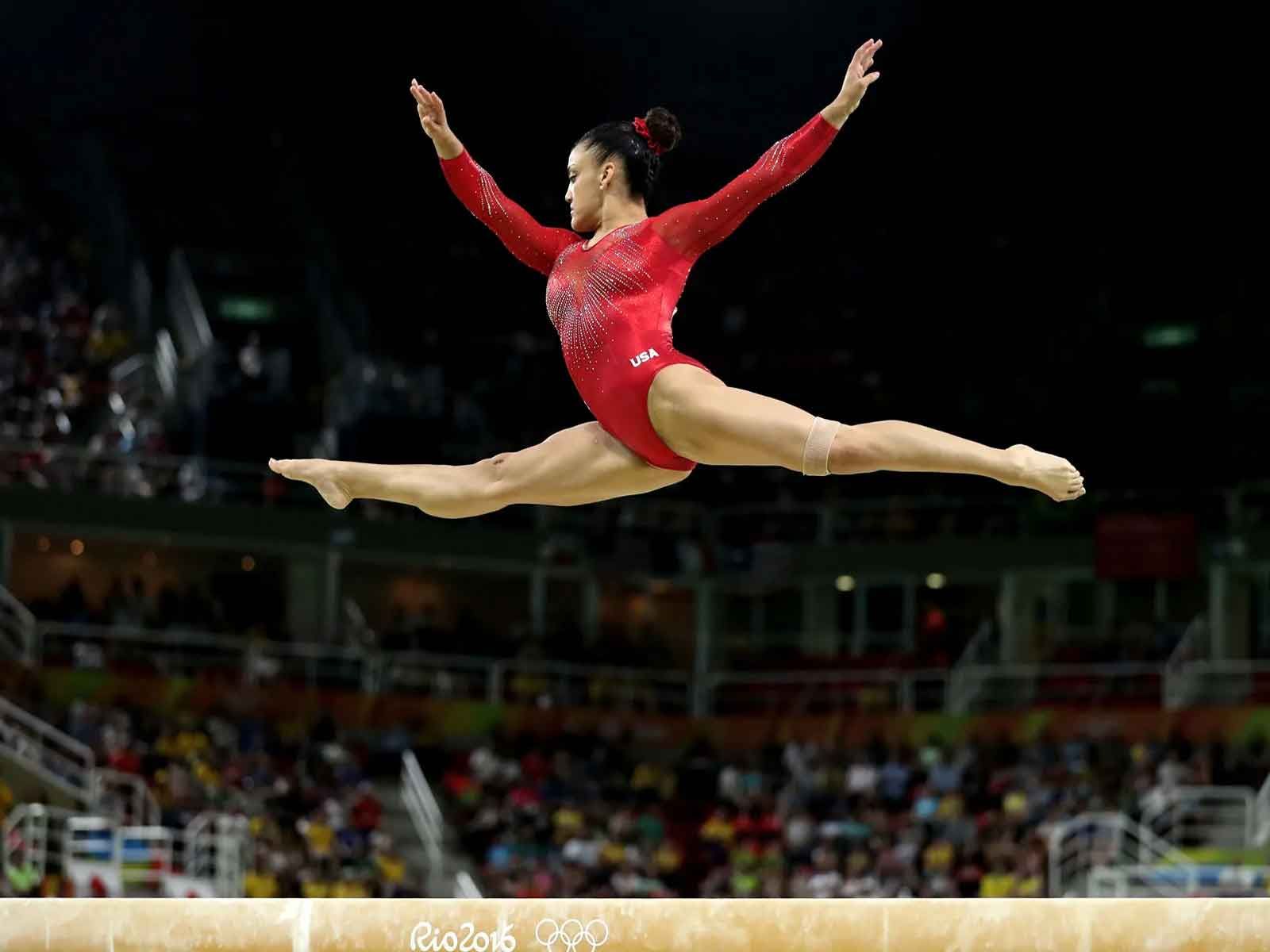
Most of these gymnasts are strong kinesthetic learners. They learn best when their coaches show them what they want them to work on or correct during training. The gymnasts are then empowered to get to work, integrating the feedback they have received. They work hard, struggle, fall, and are free to make mistakes. The coach gives them more visual and aural feedback and corrections. The gymnasts then go back to work, integrating and learning. Gymnasts learn skills faster, increase the difficulty and execution of their routines, and progress their development at a much higher level.
Many coaches interrupt their gymnasts' learning styles by getting on them when they make mistakes or by making them do conditioning if they don't get a "correction" quickly or for the first time. In worst-case scenarios, coaches kick their gymnasts off the apparatus or out of the gym. This is incredibly unproductive. Gymnasts don't get better sitting on the sidelines watching or skipping an apparatus they struggle with. It is also very embarrassing for them to break their coach's trust.
"There are no mistakes, only learning"
Kinesthetic learners learn best when they are free to make mistakes.
Many coaches punish their gymnasts for getting emotional during training. They don't understand that their coaching style might be contributing to the gymnasts' frustration. The gymnast is afraid to make mistakes. They are afraid to upset their coach. When the brain focuses on not doing something, the gymnast is guaranteed to experience more struggle and, most likely, make more mistakes.
I work with gymnasts whose coaches tell them, "You will never improve if you don't get corrections the first time," "You will never make it to level 10 if you keep making mistakes," and "You will never make the national team if you don't get this skill by next camp." If the gymnast doesn't improve quickly, the coach becomes frustrated. These coaches don't understand that if they create an environment where it is safe for their gymnasts to struggle, they will go far beyond their current skill level.
Kicking them off the apparatus or out of the gym, shaming them in front of their teammates, and yelling at them will only increase the gymnast's upset and the coach's frustration.
These types of coaches are usually highly reactive, meaning they bypass their most effective coaching traits and resort to negative and dysfunctional methods when things aren't going well in the gym.
If we retain the old abusive culture, nothing will change, and we will continue to experience athletes with no voice, no sense of personal power, poor interpersonal boundaries and life skills, and low self-esteem.
It is safe to say that in gymnastics, we all know where this type of coaching has led us.
Building a new culture
We are in the process of building a new culture in gymnastics. It will take open-minded coaches willing to ask questions, seek out information, show a willingness to learn and admit mistakes, listen to their peers, and pay attention to interactions with their athletes. This open-minded coach will become even better. Athletes will grow in confidence and belief in themselves. They will acquire skills faster and reach higher levels of success. They will show up authentically and be free to express their unique personalities in gymnastics.
And I believe they will achieve greater success.
What kind of coach do you want to be?