Recovery · April 2013 · 3 min read
What Kevin Ware's Injury Can Teach Us About Sports Injury Trauma
By Robert B. Andrews, MA, LMFT
The most horrific sports injury I have ever watched
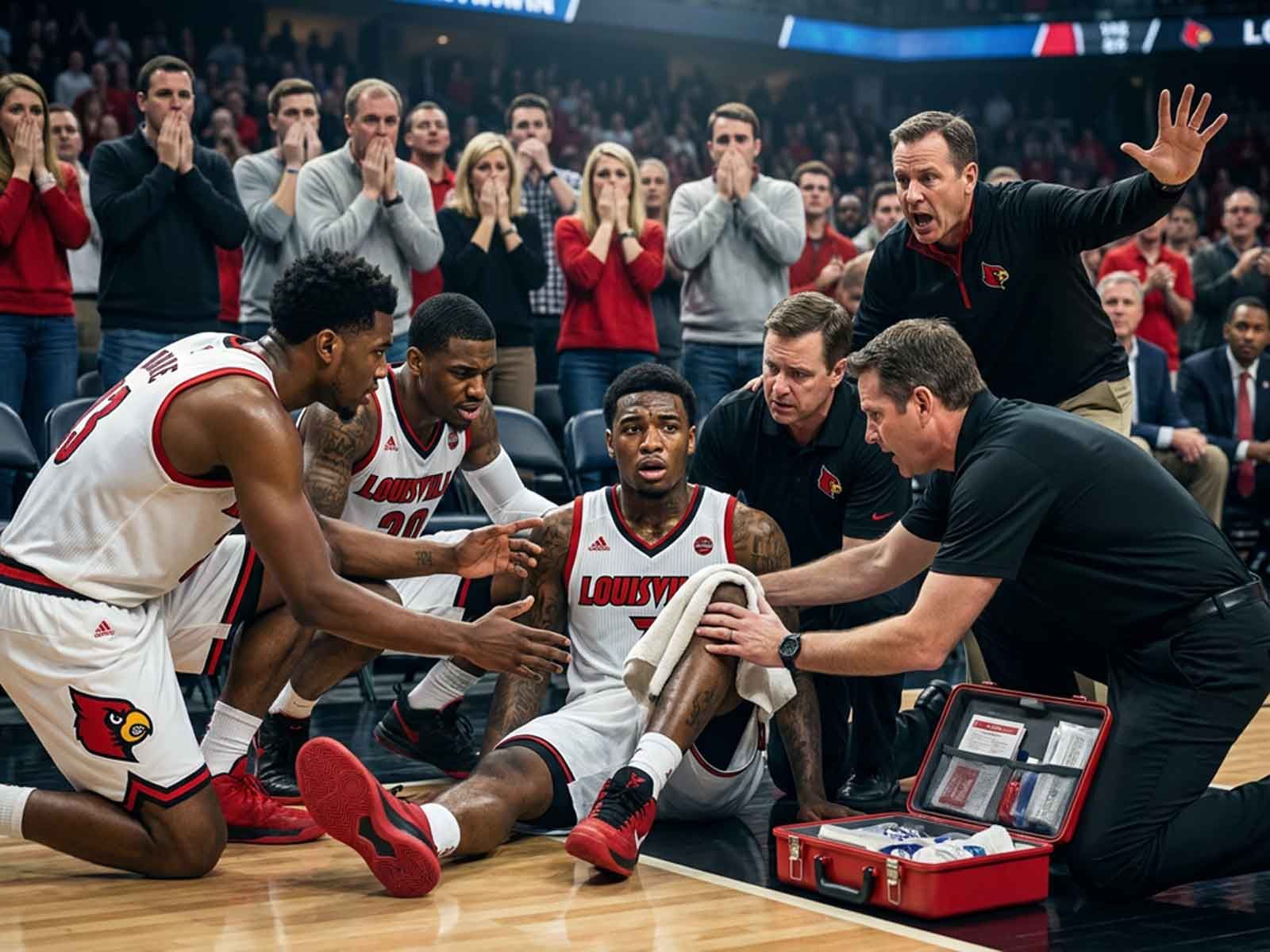
Kevin Ware's injury during the Duke/Louisville NCAA basketball game was the most horrific sports-related injury I have seen. I cringed and looked away from the TV, but I found myself drawn back to the images of teammates, coaches, trainers, and fans agonizing over the shocking scene before them.
What happened to Kevin Ware on the court
Kevin suffered a compound fracture of his lower leg when he leaped to block a Duke player's shot and landed awkwardly in front of his bench. His lower leg snapped, and a bone tore through the skin. His reaction upon seeing his injury was tragic, but seeing his teammates' reactions on the bench made me realize that most in the arena were seeing something the mind could not comprehend. Players from both teams fell to the floor, cried, and held each other. Coach Rick Patino's face was white with shock at seeing Kevin's lower leg twist sideways and hang in the air.
The trauma rippled through everyone watching
Fans in the stands were visibly shaken, and many were crying. They were traumatized. The Louisville trainers were remarkable in the face of this tragedy. They covered his leg so no one could see it, especially Kevin. But for Kevin, those in attendance at the game, and those of us watching on TV, the imprint in our minds had already been burned in.
How traumatic injuries imprint on the mind
Mental images of a traumatic injury like this are deeply burned into the mind of the injured athlete. They are also burned into the minds of his teammates, Duke players, coaches, fans, media representatives, cheerleaders, and TV viewers.
The holographic imprint of a serious injury
These images, or "holographic imprints," contain incredible information. Kevin's brain now carries the image of seeing his leg in that state. That image or imprint also stores the intense physical pain he experienced, the physical sensations of shock in his body, the sound of his bones snapping, the light in the arena, the gasp of those close to him on the court, the look of concern on the faces of trainers and other medical personnel caring for him, and other significant sensory information.
Why intensity deepens the neurological imprint
The more of Kevin's senses that were stimulated when suffering his injury, the more shocking or intense his emotional reaction, and the more intense his physical pain, the deeper the neurological imprint in his brain and nervous system.
How the limbic system takes over during trauma
When a traumatic injury like Kevin's occurs, the Limbic System of Kevin's brain takes over to help him survive the overwhelming shock and pain his system has suffered. This information is now deeply embedded in his brain. Add surgery, the prospect of a monumental recovery process, the loss of a Final Four experience as a player, disconnection from his role on the team, uncertainty about his future in basketball, and loss of his identity as a player, and the imprint and stored information are compounded.
Why recovery has to be mental, not just physical
Kevin's long road to recovery will not be just physical. It will require specific mental and emotional processing to teach his brain and nervous system how to integrate this traumatic experience. Addressing his injury from a psychological perspective can help him process the trauma related to the injury. If he is able to return to play, he can do so without fear of reinjury.
What this teaches us about sports injury trauma
With so many people witnessing his injury and the frightening images the TV cameras provided all of us as viewers, we now have an inside look at the traumatic nature of sports-related injuries. We all experienced vivid holographic imagery, intense emotional reactions, and physical sensations in our bodies. In a sense, we all might be traumatized to varying degrees by witnessing his injury. Whether on the bench as a teammate, in the stands as a fan, or watching on TV, we all now have a shared traumatic experience that is related to a very intense sports-related injury.
The psychological care injured athletes deserve
I know Kevin is receiving the physical care he needs from doctors, nurses, PT's, and trainers. I hope Kevin and any of his teammates who might need support receive the psychological care they might need to overcome this catastrophic injury.