Family · March 2020 · 6 min read
A Parents Guide to the Sports Shutdown
By Robert B. Andrews, MA, LMFT
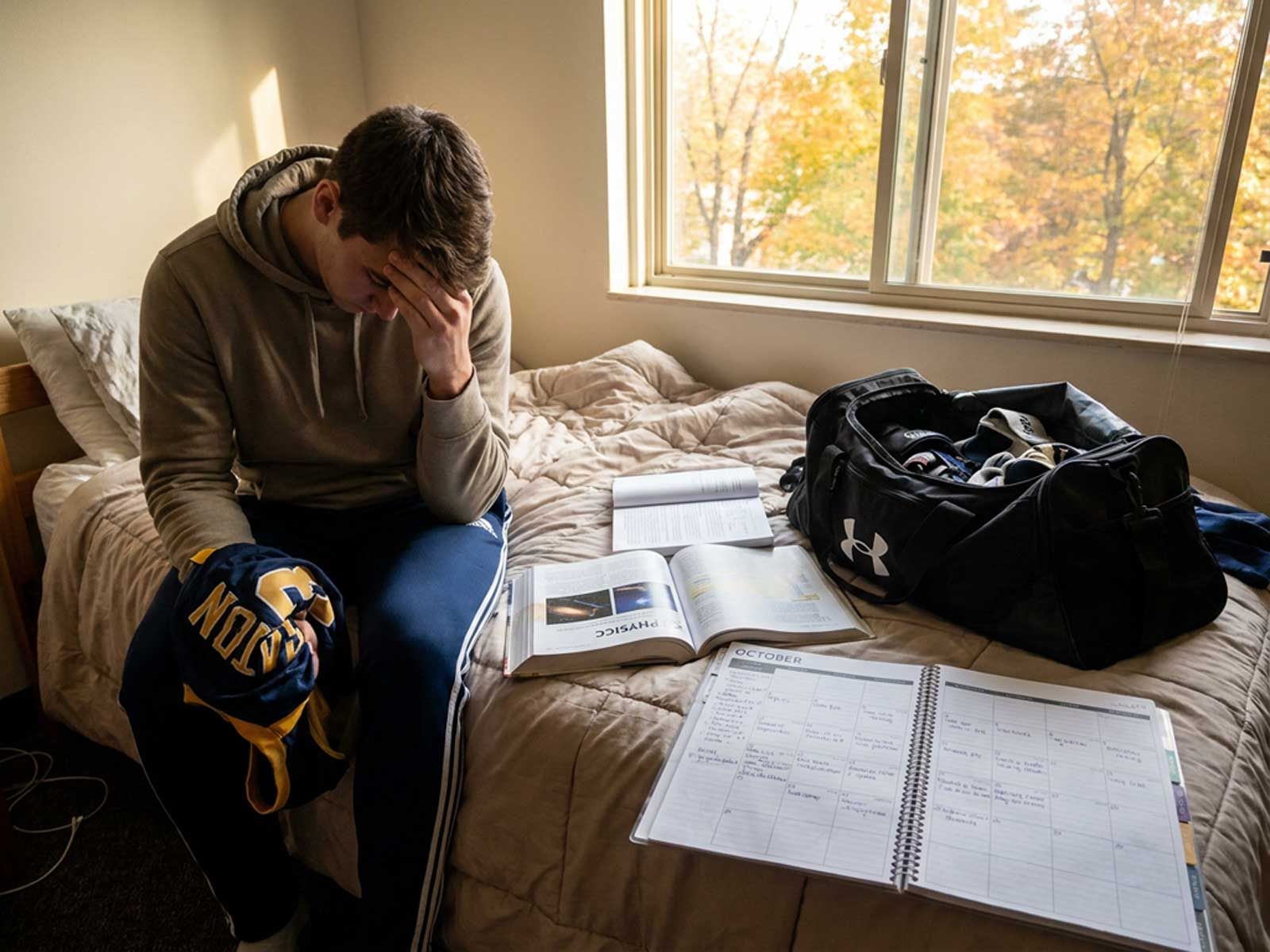
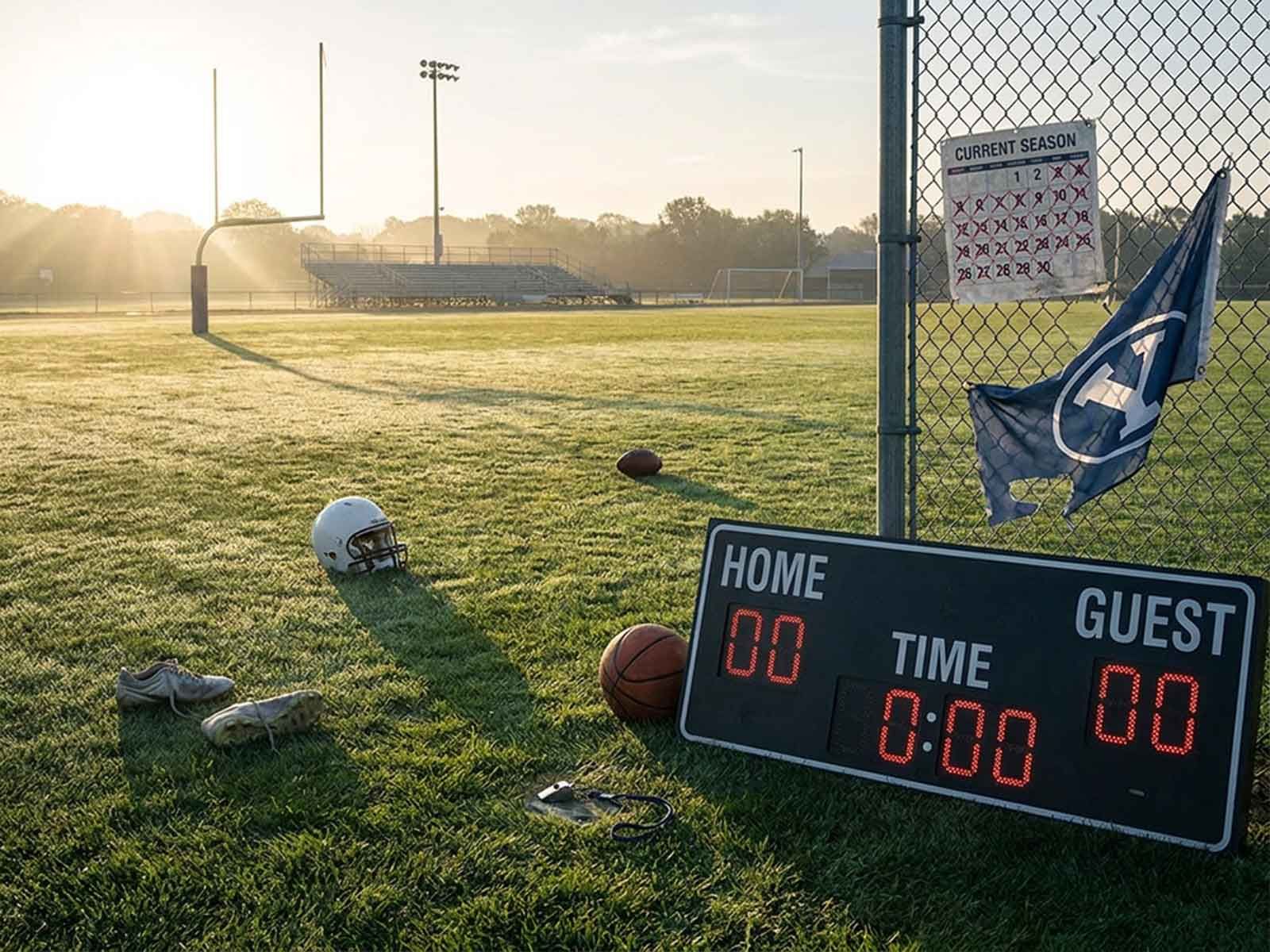
The shutdown of schools and all sports programs has sent shock waves through families, homes, and the lives of athletes who suddenly find themselves without a sport. I have received many inquiries from parents who are seemingly lost on what to do with their athletes at home. This can be a tough transition for all the family members involved.
These losses not only impact the athlete but are systemic. They affect the entire family.
I thought it might be timely to share a few tips to help parents cope with this stressful time we're all facing.
Seven keys to a healthy transition
- Normalize the first week or two. Look at this like a holiday for the first week or so. Athletes suddenly find themselves at home with little to no schoolwork, structured workouts, or competitions. Let them sleep in for a while. I see so many athletes who are sleep-deprived from their rigorous schedules. The grind of training, school, homework, and competitions has left many athletes with serious sleep deprivation. I see athletes spending 40 to 60 hours a month short on the sleep they need! And we wonder why athletes seem to struggle so much with anxiety and get overwhelmed so easily. Give them time to get caught up. They can better handle the curveball they have been thrown. They will handle stress, downtime, being disconnected from their sport, and a lack of exercise much better with adequate sleep.
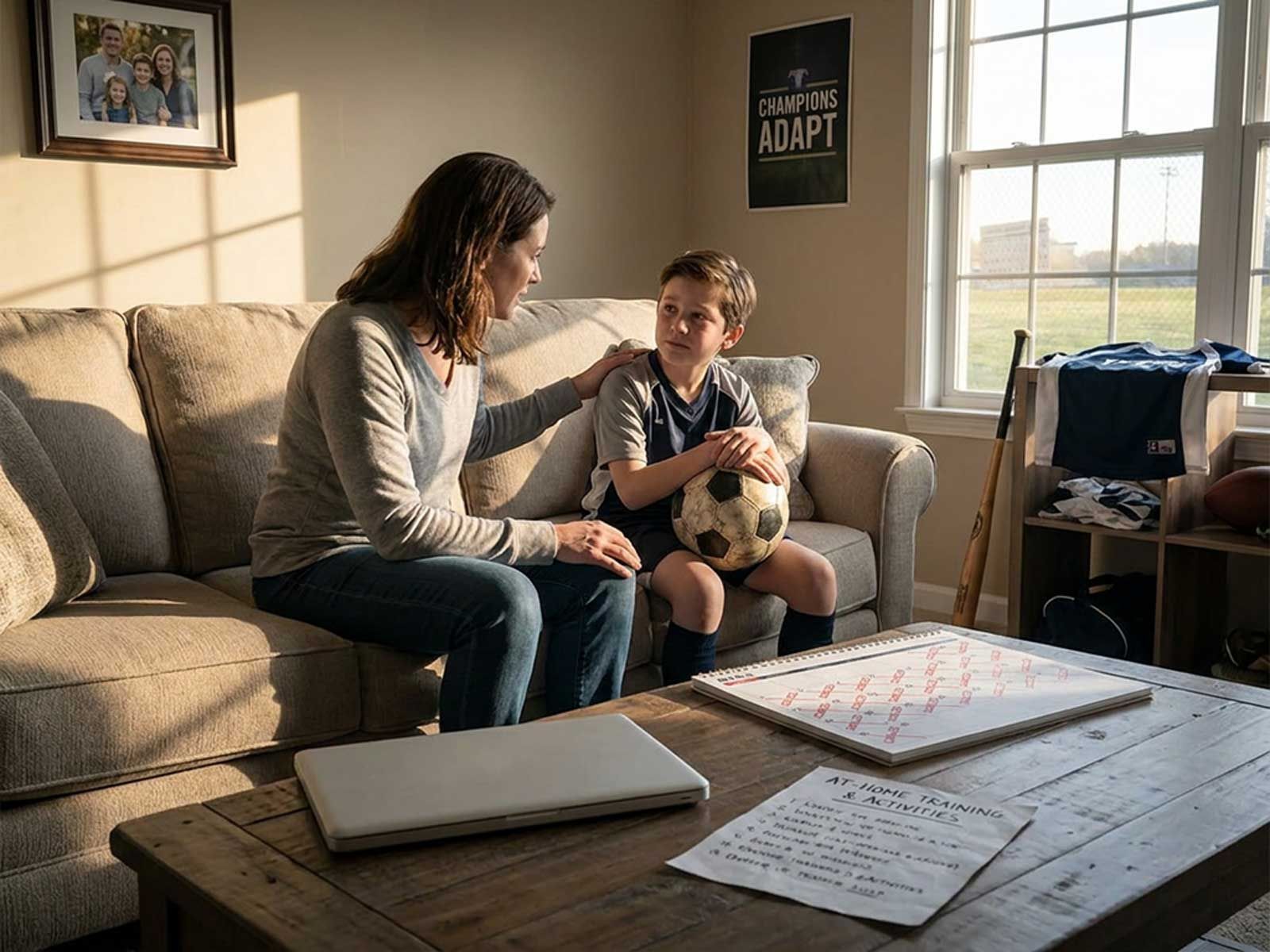
- Have regular family meetings to discuss how everyone is doing, where they are doing well, where they are struggling, and where they need help. Your kids will resist at first, but if you do a good job of modeling openness and vulnerability and lead a structured meeting, they will learn to value this time together. Family meetings are also good times to discuss expectations for chores, schoolwork, training, and any other topics the family needs to focus on.
- Help your kids create a written planner for their schoolwork and training schedules. Our athletes are used to structure. They need structure and discipline in their lives. Especially now! In this planner, have them lay out their training schedule. You might ask, “What training schedule?” Find out the most important strengths they need to conserve to get back in the gym, court, or pool. Some might need flexibility. Others have strength and conditioning. It is time to get creative. I spoke to a gymnast the other day who committed to doing an hour and fifteen minutes of stretching at 2:00 p.m. six days a week. Her mother ordered her a rug to use since they have hardwood floors. I have seen videos of kids doing conditioning work on apartment roofs in New York City. Go for walks, bike rides, or play tennis.
- Empower them to take responsibility. Two key traits determine the level of development we obtain in our lives. One is the capacity to experience empathy, and the other is the ability to take responsibility for our lives. This is a great time for them to step up and learn personal responsibility and accountability. Another suggestion is for your athlete to find an “accountability partner.” They can check in with this person daily to discuss how their workouts are going, if they did them or did not, and why, and if they need support or need to be challenged to stay committed to the agreement they made with themselves and others. I can guarantee you that the athletes who take responsibility for themselves mentally, emotionally, physically, and spiritually will be the ones who make the best comebacks when their respective sports fire back up again.
- Connect with others. Today, more than ever, we can connect. Have your kids step beyond texting and set up Join Me or Vimeo groups with their friends and teammates. It will go against their nature to communicate via text, but they must learn to go beyond these methods and make meaningful attempts to reach out in ways they can see a smile or a laugh. They need to be able to see when a friend is upset. Connection is critical during this time. Text messaging is not enough. I have been using FaceTime, Skype, and JoinMe with some of my friends on my Mac. The bigger the screen, the better the connection. It is amazing how our faces light up when we see each other. It has made for a much richer conversation. I end up feeling emotionally full and connected to them. If they set up a team or group list, include everyone! I have worked with far too many athletes who have been left out of group chats and text groups. They need this connection just as much as anyone else.
- Try new things together as a family to stimulate your mind, body, and emotions. Try a family game night, movie night, bike rides or walks, reading time, family cookouts, or karaoke. These might get your family out of their comfort zones. This is when we must get out of our mental and emotional boxes. Challenge your family to get uncomfortable with new experiences.
- Expect your kid's behavior to be less than perfect. They are under tremendous stress. Many have experienced profound losses. The loss of a season, connection to a team, identity, structure, meets, and travel, to name a few. Be mindful of this when you discipline. If things get tough, here are a few tips to help deal with kids who don't respond to your reminders. Some parents say that no matter what they do, their kids won’t get off of their phones or video games. They just sleep, play games, or are on their phones. There is a concept called “escalation of leverage.” It goes like this. If your kid won’t get off their video games or phone, take something they value away. Limit their data or take their phone away for a few hours daily. If that doesn’t work, raise your leverage on them. Take their TV out of their room for a few hours or a day. Take their phone away. When they buy into the structure they need to hold themselves to, the reward is getting the data, the phone, the video controller, or the TV back. Sometimes, we have to be the wall with our kids. They won’t like it, but as I said earlier, they need structure now more than they possibly ever have.
I hope these tips help. It will take time, and you will struggle. Keep at it. If your kids aren’t sometimes frustrated or angry with you, you aren’t holding them accountable enough. These are trying times for all of us. When kids get stressed, they look for something to push up against to feel safe. If they don’t find it, they keep pushing. Some will end up getting in trouble with their behaviors. You can be something that they push up against. It will be good for all of you and help them stay on track in their schoolwork and respective sports.