Mental Toughness · March 2020 · 3 min read
Cancelled Seasons and the Mental and Emotional Wellbeing of Athletes
By Robert B. Andrews, MA, LMFT
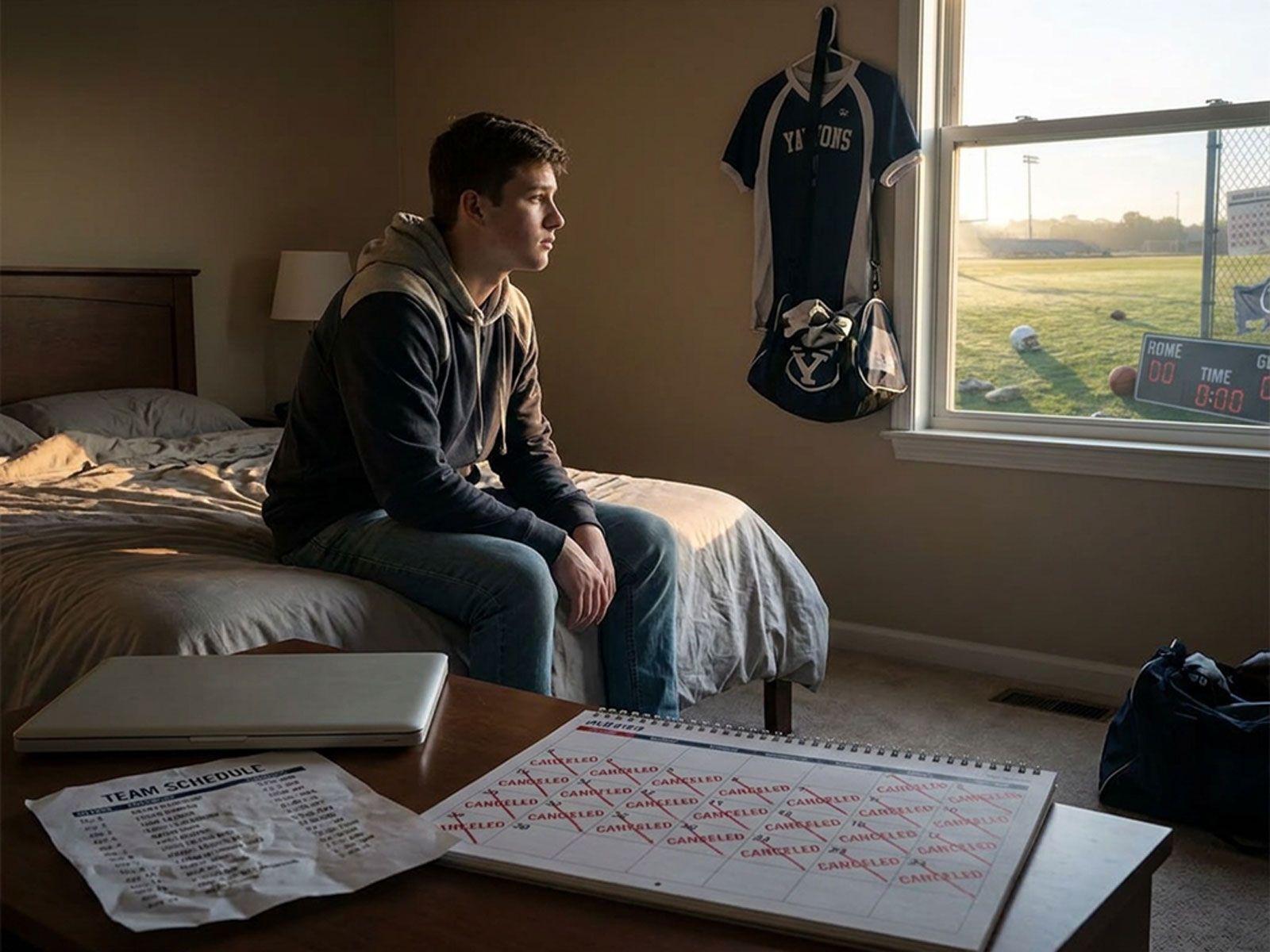
The coronavirus outbreak has sent a shock wave of anxiety and concern throughout the world of sports. The MLB, the NBA, and the new XFL have postponed or canceled their seasons in the United States. The NCAA has canceled March Madness. Entire seasons in gymnastics, baseball, tennis, and numerous other sports have been put on hold or canceled.
Athletes in junior high, high school, and college are not going to school as we wait and see how bad this crisis gets and how long it will last.
With the sudden halt of these seasons and the lack of the structured environment that school provides, hundreds of thousands of athletes throughout the country must face a serious transition. This transition forces the athlete to face several key stressors and losses that could impact one’s mental and emotional health and well-being.
Athletes must face and adjust to these losses:
- The loss of a highly structured school and team environment.
- The loss of routines and daily rituals.
- The loss of identity associated with being a student or athlete.
- The loss of the dreams that accompany a promising season or a key event.
- The loss of an active lifestyle that stimulates one’s mind and body.
- The loss of a highly competitive mindset in the classroom and in sports.
- The loss of camaraderie and connection to a team.
- The loss or end of a career.
- The loss of activities associated with campus life.
- The loss of family-centered events (games, tournaments, and travel)
Uncharted territory
Athletes don’t train for a critical event like this and the losses that come with it. The further one is in their career, the more difficult it might be to face this shutdown.
Olympic hopefuls are facing uncertainty about the cancellation of the Olympic Games. Years of training, conditioning, discipline, competing, mental training, and overcoming injuries are now in jeopardy as the crisis spreads. Altering training schedules and gearing down mentally and emotionally if the Olympics are delayed will take an enormous amount of energy.
Professional athletes are suddenly kept away from the game they love, their connection to their coaches and teammates, and a highly structured lifestyle.
College basketball, tennis, gymnastics, and other sports have had their seasons end, and dreams and goals have been shattered due to the cancellation of the NCAA tournaments and other events.
The careers of some college seniors have abruptly ended.
At the club level, in sports like gymnastics and volleyball, State, Regional, and National competitions are on hold unless canceled.
Sudden change in lifestyle
Along with the sudden end to a season can come just a sudden halt to a highly structured and intense training routine. For many, workouts and training sessions have stopped. Research shows that when an athlete used to a very active training regimen suddenly stops training and activity, hormones and other important chemicals in the brain and body change. These changes can seriously impact the brain, mental and emotional states, personality, mood, and behavior.
Warning signs:
Emotional changes: Increased anxiety, frustration, sadness, grief, outbursts of anger, despair, depression, and hopelessness.
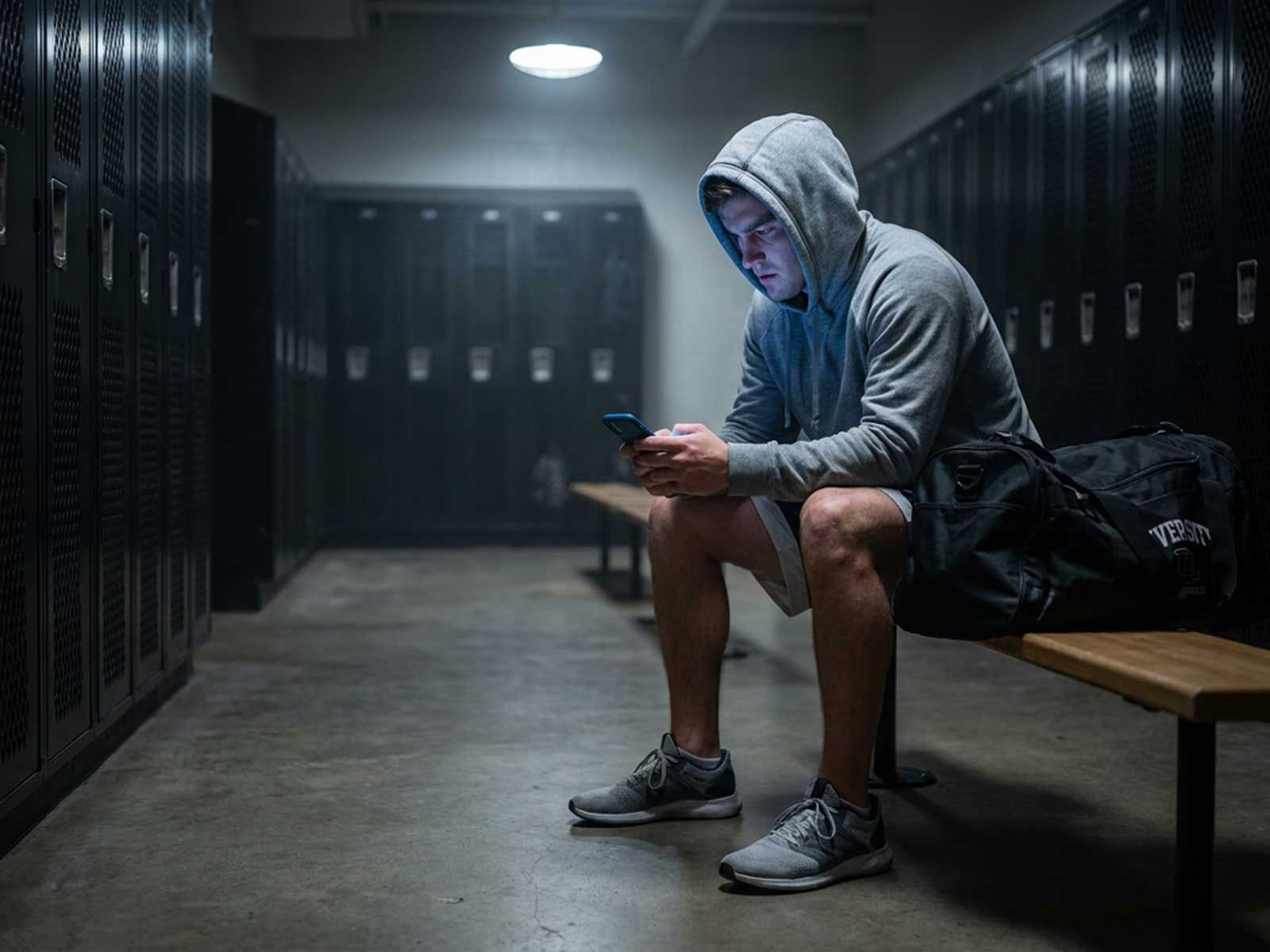
Personality and behavioral changes: Isolation, withdrawal, sullen, or depressed. Outgoing personalities might become withdrawn and spend more time alone or in their bedrooms. Some might become quiet. Others might experience angry outbursts and bouts of extreme frustration. Others might become hyper-controllable to gain control over a situation they have no control over. You might see experimentation or increased use of drugs and alcohol.
Depending on their age, level of competition, maturity, and emotional intelligence, this crisis could be one of the most significant transitions an athlete might face.
Providing support
Increasing our awareness about the symptoms they might exhibit as they work through the losses associated with the end of their respective seasons will help us provide the care they need.
If you are concerned about self-quarantine and social distancing, most providers can offer technology-assisted online calls or sessions. These sessions can be very effective. Just ensure that your athlete is in a quiet, private area, is using a tablet or computer for a larger image on the screen, has earphones on for privacy, and has a pen and paper to take notes.
We will get through this, and sports will return. In the meantime, let’s give our athletes the care they need as they work through their mental and emotional challenges.