Culture · October 2025 · 6 min read
Cultural Change: The Complicated Relationship Between Change and Pain
By Robert B. Andrews, MA, LMFT
I was listening to one of my favorite bands, Tears for Fears, recently. The song “Goodnight Song” came on, and I heard a lyric that struck me. One of the lyrics in the song said:
“But nothing ever changes unless there's some pain.”
I have heard this song hundreds of times over the years. But this time it hit me differently. I replayed that part of the song over a few times.
“But nothing ever changes unless there's some pain.”
It got me thinking about the different cultures I work with in various sports or organizations. Culture seems to be an important “buzz word” these days as the world of sports is taking a good, hard look at athletes’ mental health and wellness, the impact of racism on athletes, preventing abuse, parent/coaching styles and their impact on athletes, transgender athletes, the transfer portal, NIL agreements, and many areas that are all important to discuss.
When a professional in my field is invited into the culture of any given organization, we bring insight, self-awareness, openness, strong interpersonal boundaries, knowledge, and experience.
We are consulted to help improve the important dynamics that exist between parents, coaches, and athletes. We believe that for any organization to function at a high level, there must be cooperation among these important components of the cultural system.
In many instances, this transition goes smoothly, and the required change that needs to be addressed and implemented is integrated into the system.
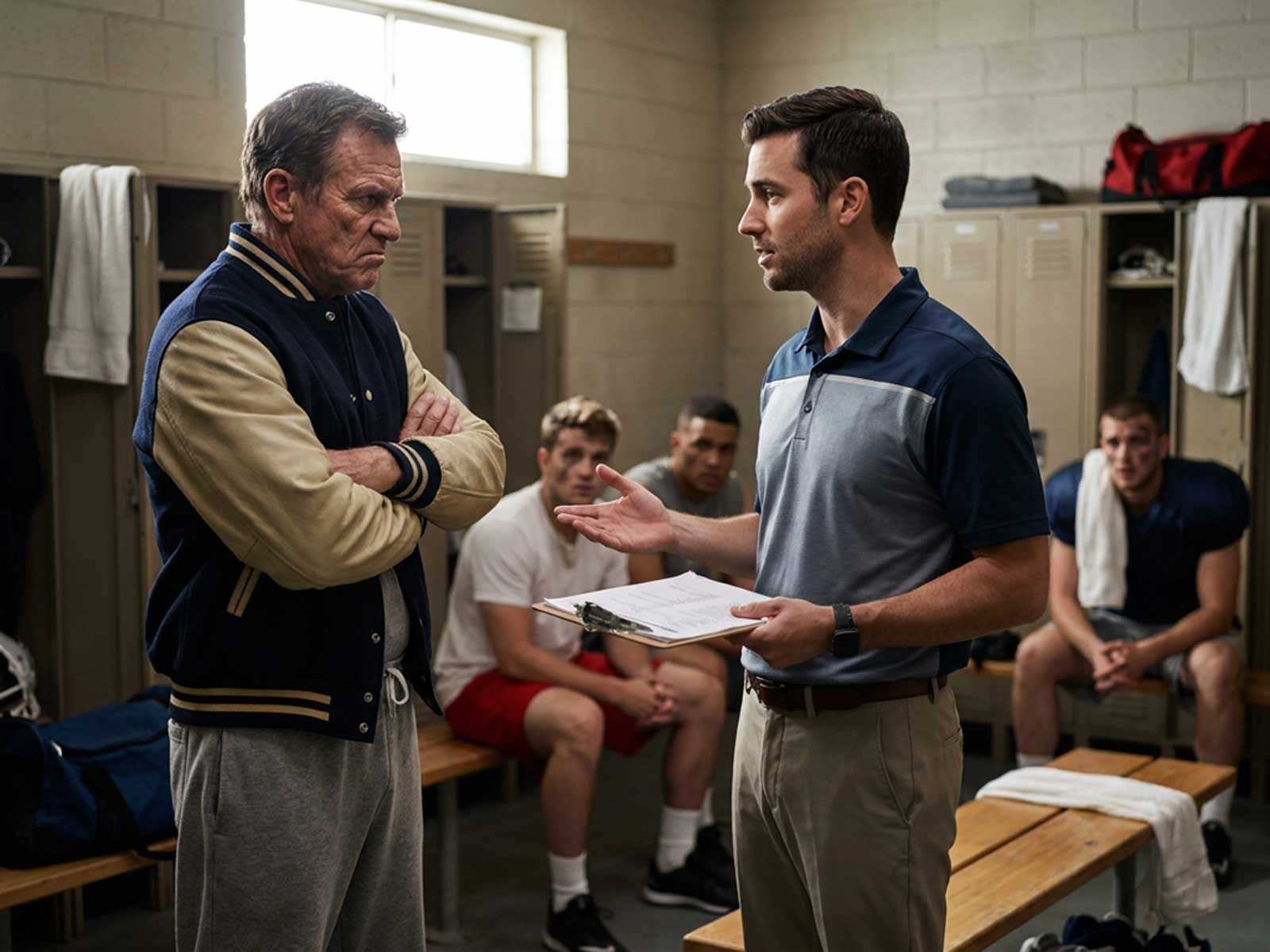
There are also many instances where things do not go so smoothly. Mental training consultants tend to identify areas of concern that, if addressed, can help the culture function at a higher level. Some within these systems are resistant to change. The pushback we often receive can be intense, and in some instances, outright disrespectful.
We usually identify areas where someone in that system is experiencing pain on some level.
When I mention pain, one’s mind can immediately go to physical pain. This type of pain certainly does exist in some systems that implement excessive physical punishment as a form of accountability.
But the pain I see most often is mental, emotional, and psychological pain and suffering.
The source of this pain varies and can be complicated
Now, to be clear, I am not advocating for coddling athletes. And I am not about making them so soft that they can’t tolerate any kind of intense interactions with their coaches and parents.
I played on a state championship football team in high school. Our coaches were tough on us. We worked extremely hard. In every game we played, we were bigger, faster, quicker, and in better condition than any team we played.
But here is the key point I want to drive home. I was never afraid of or intimidated by my coaches! Did they get on us when we messed up, or when we were playing around too much? Yes. Did they shame, degrade, humiliate, and ridicule us? No.
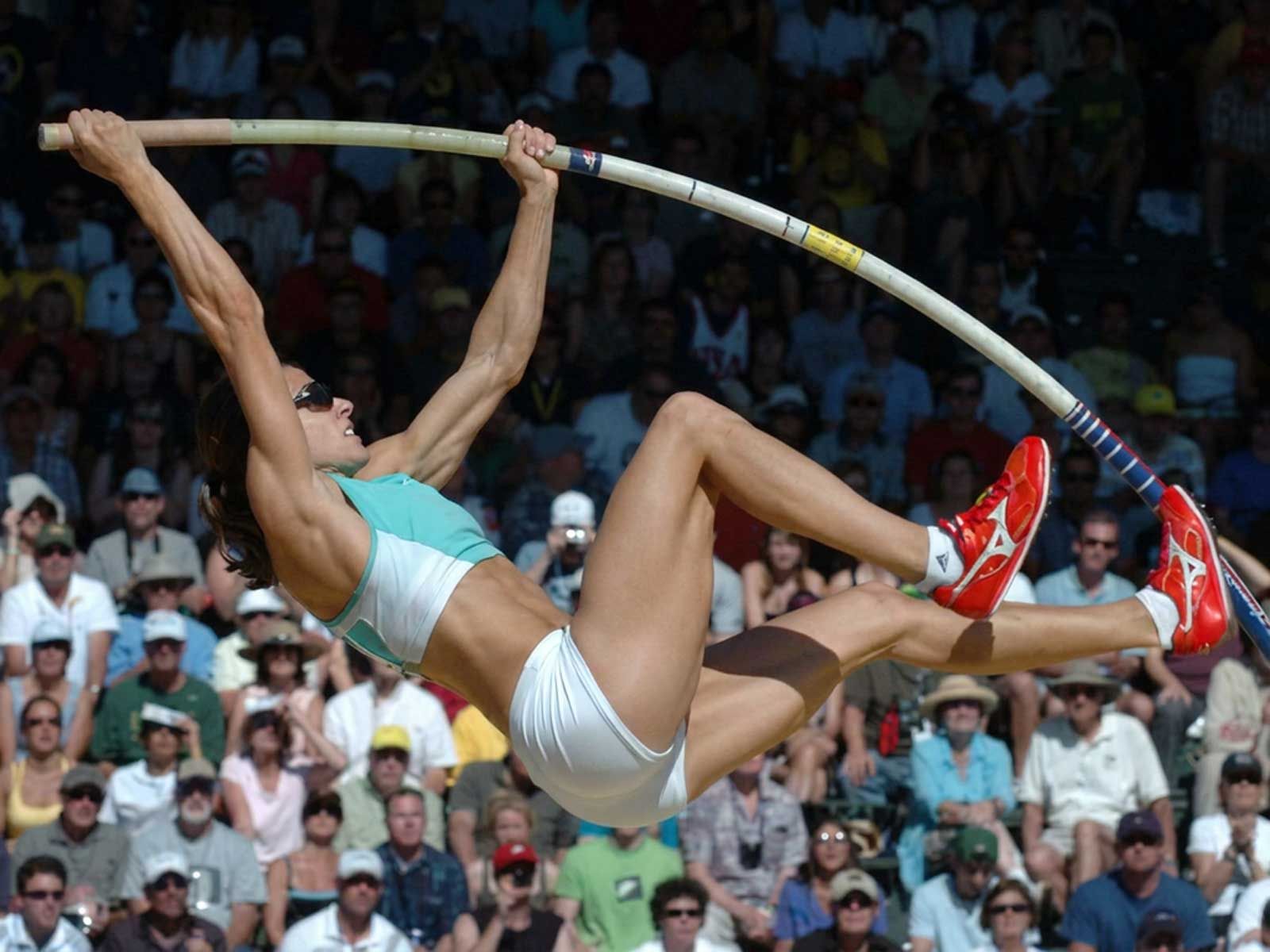
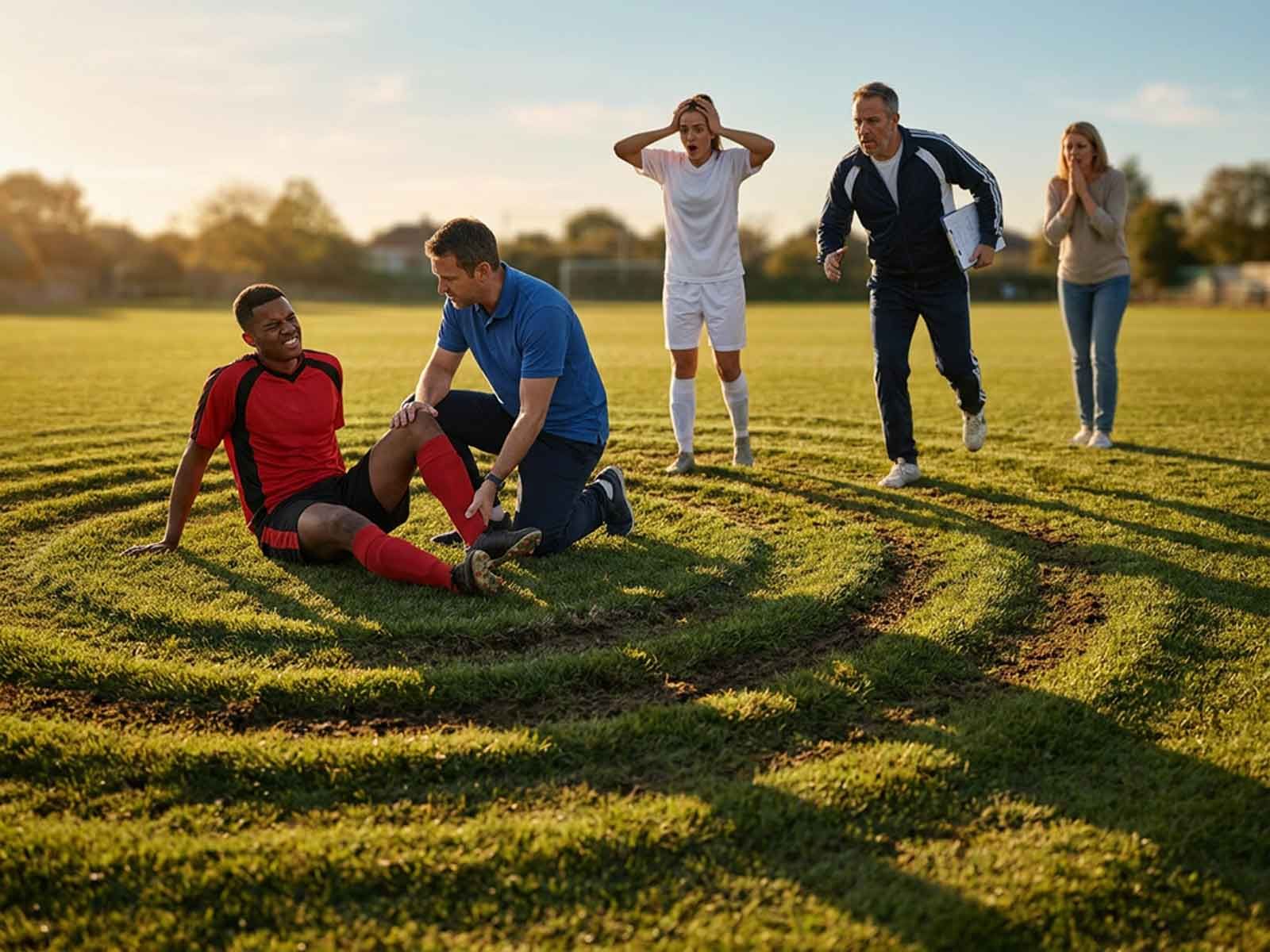
I suffered a serious knee injury in high school that required surgery. My high school football and track coach was sitting by my bed before I went in for surgery. He stayed in touch with me all spring and summer to make sure I was in a good place and was working to come back the next fall.
In November of 2011, I had knee replacement surgery. I started thinking about my high school injury and how important it was to me to have a coach who cared about me, even when I was injured and couldn’t contribute to the team.
I called him to thank him for being there for me all those years ago and to let him know that I had knee replacement surgery coming up. He asked, “When is your surgery?” I gave him the date, and he asked: “Where?” I told him which hospital.
The morning of surgery, there was Don Hamilton sitting by the bed as they shaved my leg in preparation for surgery.
This man is still such an important influence in my life. His guidance, mentoring, acceptance of me, and, more importantly, his belief in me, have been strong, powerful forces in my life.
Let’s circle back to this concept of pain and change.
What if my coach had disengaged from me and stopped caring about me because I was injured? What if he called me a “head case” because I was afraid of suffering another injury? What if he had ridiculed me and embarrassed me in front of my friends and teammates?
To be transparent, I don’t think I would be the man I am today, and I don’t think I would be doing the important work that I am doing in the field of sports psychology.
My life took a serious turn after my injury. But having a coach who loved and respected me made such a profound difference in my life on so many levels.
Pain isn’t just physical in nature
The pain that we often witness in our work with athletes is mental, emotional, and psychological pain.
This pain comes from overbearing, overinvolved parents who expect perfection in all their child does.
No mistakes, parents create a child/athlete who is riddled with anxiety. Their entire self-perception centers on ensuring that their grades are excellent, their performances are stellar, and their extracurricular activities are flawless.
When I see these athletes, they are usually very withdrawn and quiet. This goes beyond normal introversion. They are walled up in a very dark place, and it takes a lot of time to build trust for them to let me into that world.
They are afraid to say anything negative for fear of retaliation if the parent finds out they have said anything revealing in their conversations with me.
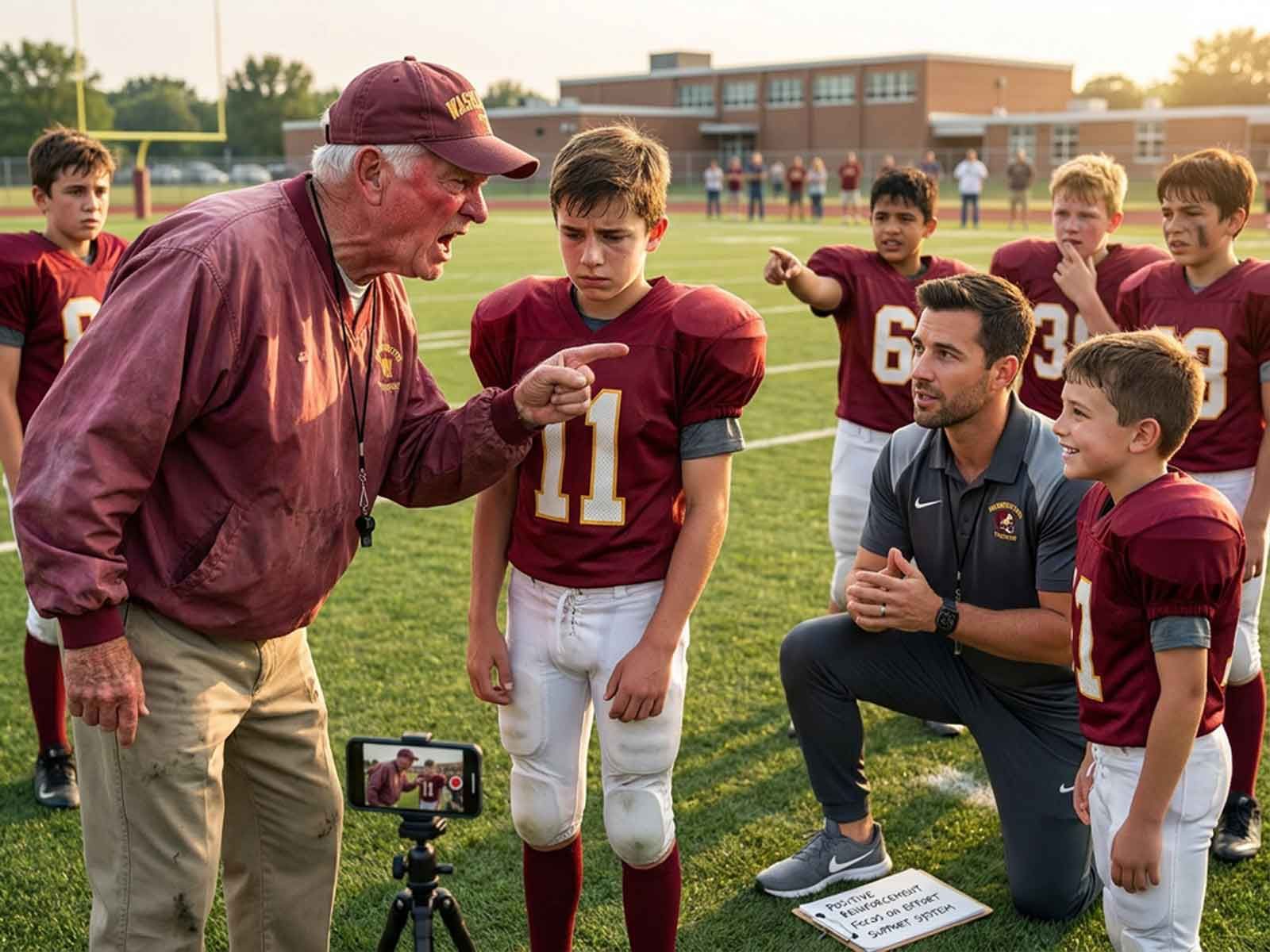
Pain comes from coaches who are not willing to adjust to the individual athlete’s needs. They have their approach and stick to that, no matter what is going on with their athlete.
If their athlete is struggling or meeting resistance, they push harder. If that doesn’t work, they either ignore their athlete and stop coaching them, or begin the calculated process of creating pain and suffering in the athlete’s min.
They do this by shaming, degrading, humiliating, intimidating, and punishing their athlete. Harsh tones, yelling, and in some instances raging, create wounds that run deep in the heart, mind, and spirit of the athlete.
There are neurons in the brain called mirror neurons
These neurons are important to learning. Children learn to mimic their parents’ facial expressions when playing with them as toddlers. When the parent laughs and says “peekaboo” the child laughs and smiles.
Children learn by taking in what is going on around them and then making assessments about their own well-being.
When a child/athlete is treated harshly by a parent or coach, these mirror neurons begin to reflect the same inner dialogue, tones, and judgments they experience from those around them who are supposed to be teaching them about their sport and life.
They develop a very harsh self-criticism and inner dialogue. They entertain thoughts like “I suck”,” I’m worthless,” “I’ll never amount to anything,” “Why bother”.
They also experience intense emotions associated with shame and guilt. This creates an athlete with very low self-esteem, who is terrified of making mistakes, worries about letting others down, and adapts to the demands of those in positions of power in their lives.
They don’t know who they are and feel powerless.
As coaches and parents, what can you do or what can you change in your interactions with your child/athlete to become a source of support, encouragement, and a supplier of energy critical to performance?
Great leaders are willing to adapt. Great coaches and parents must be willing to adapt too.