Recovery · April 2026 · 4 min read
Understanding the Traumatic Nature of ACL Injuries
By Robert B. Andrews, MA, LMFT
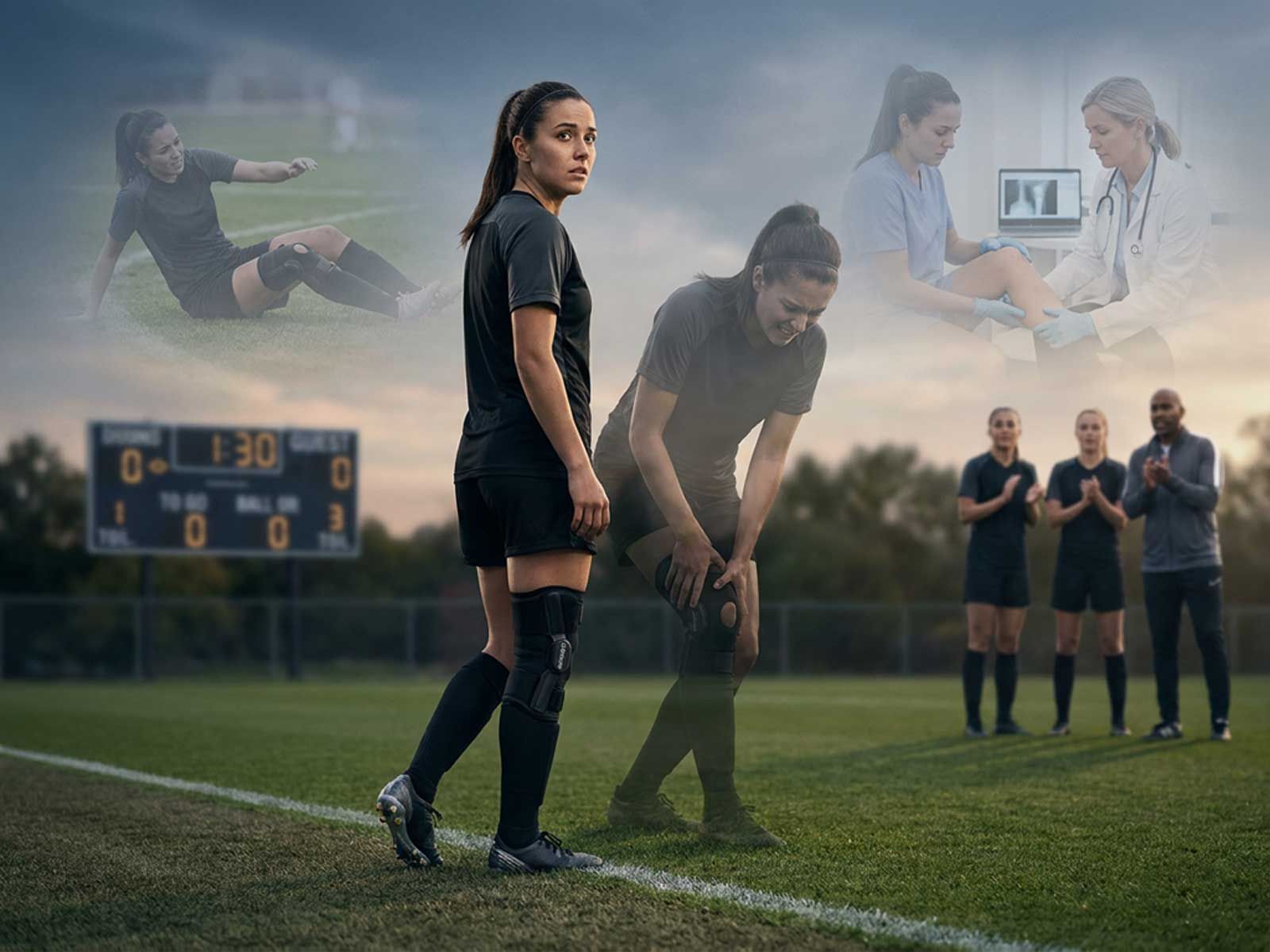
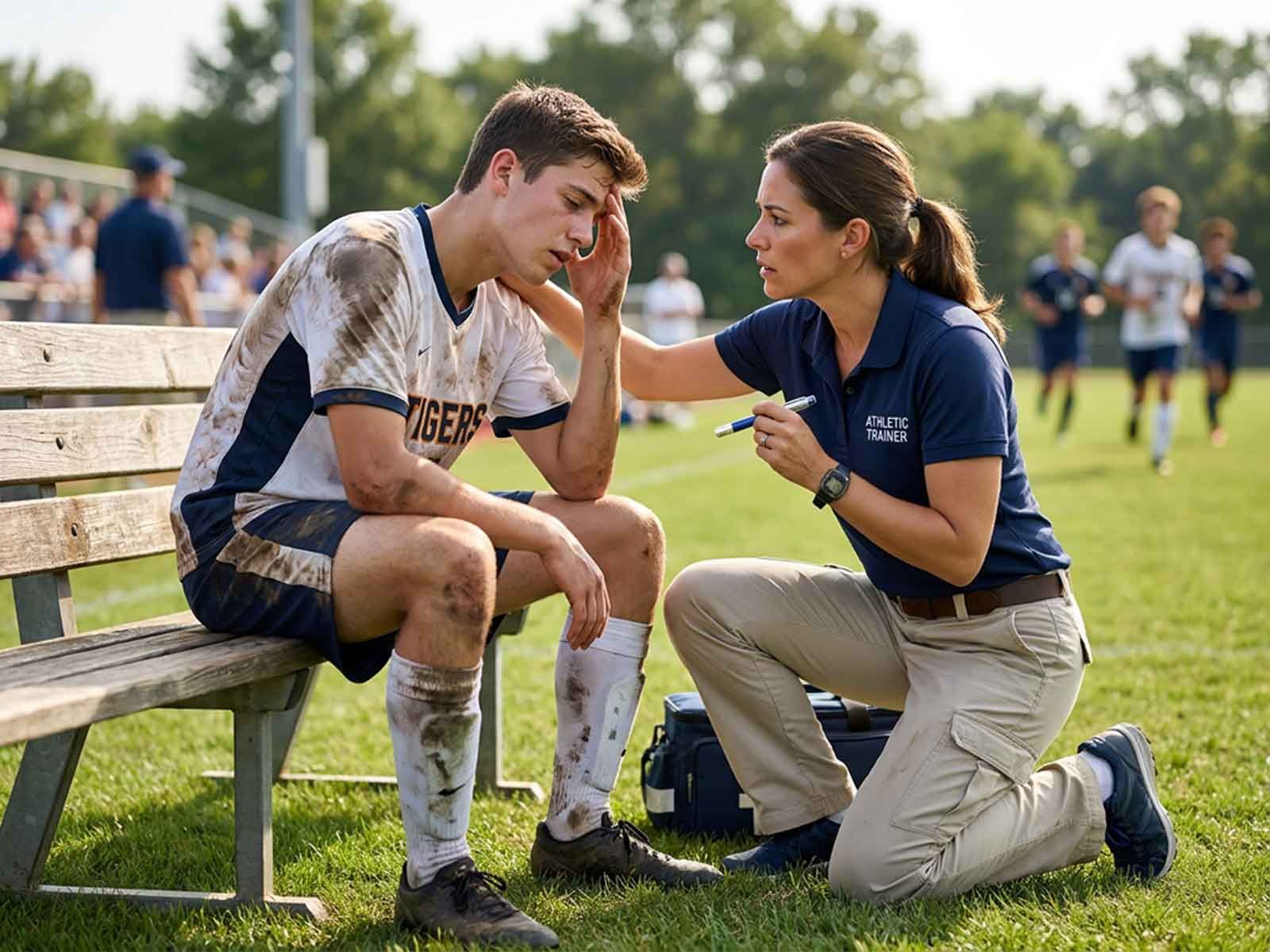
For many athletes, coming back from a severe sports-related injury is a terrifying ordeal. They have been cleared to play physically, but their fear of suffering another injury can be debilitating. These fears can complicate their return to play. Many suffer from confusion, anxiety, anger, shame, and guilt. Why do they feel so bad if they have been "cleared to play"? Many feel something is wrong with them if they can't come back confident and in a reasonable frame of mind.
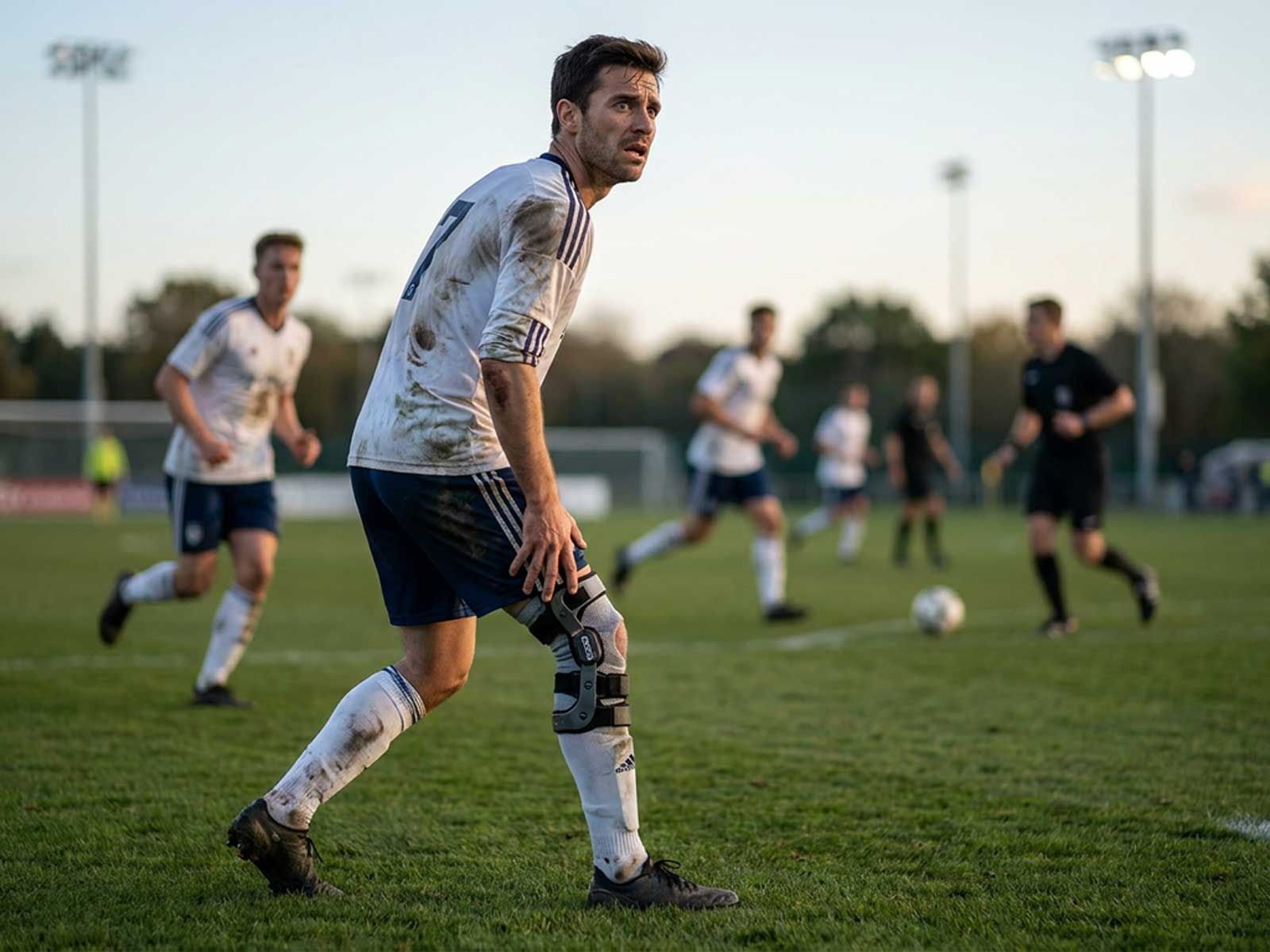
I talked with a soccer player who had a teammate who suffered a strained ACL. The injured athlete took time off to heal. When they returned to play, they were terrified. They were afraid of injuring their knee again and played with anxiety, fear, and apprehension. They did not play all out, and their hesitancy was apparent. It grew worse with each game. As their anxiety and fear grew, they became more emotional during the games. It was evident to everyone watching that something was wrong.
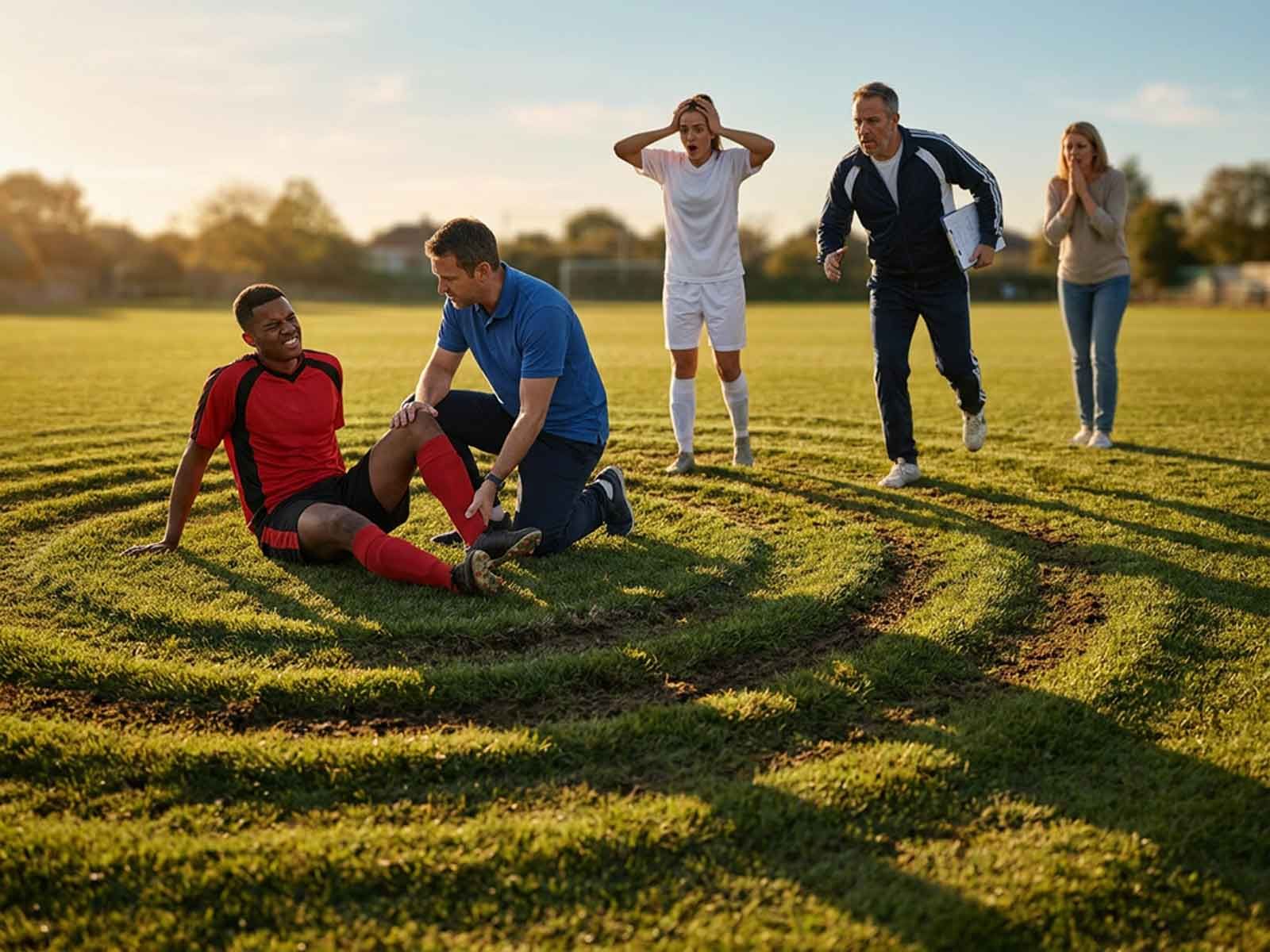
I was introduced to the injured athlete's parents. I became excited about helping this athlete overcome their sports injury trauma. As I reached for a business card for the parent of the struggling athlete, I was told that during their last game, the athlete had torn their ACL completely. The field was in bad condition, and their fear of re-injury was amplified. They were crying as they tried to play soccer. They ended up in a fight for the ball and re-injured their knee. My heart sank when they told me this part of the story.
Too many sad stories
I was on the sidelines of a football game watching a running back who had torn his ACL the year before. He hesitated as he ran and favored his injured knee. After the game, I told his coach that he was going to suffer an ACL injury to the other knee if he didn't get some help with the trauma from the first injury. The following week, he tore his other ACL.
I watched a game on television and observed hesitation and apprehension in an offensive lineman who had injured his left knee the year before. I turned the game off at halftime. A few days later, I called his athletic trainer and mentioned that I believed this lineman was heading towards an injury to his other knee. He asked me why I felt this way. I told him what I observed while watching the game. He said that was interesting and that the lineman had torn his other ACL in the fourth quarter of that game.
Is the wrong message being sent?
An athlete I helped who had overcome a horrific injury was interviewed about his "miracle comeback." When asked what this athlete did to make such a profound comeback, they said they had a "powerful attitude and mindset." They didn't mention all the hard work they did mentally and emotionally to overcome the trauma they suffered while injured and unable to compete.
I believe this athlete did a disservice to other athletes who are trying to overcome the trauma and the mental and emotional blocks that stand in the way of a full "100%" recovery. They told other injured athletes that all you have to do is have a strong mindset, and everything will be okay.
This message can have a profoundly negative impact on the athlete who is struggling to get back mentally and emotionally. It can create doubt and confusion and erode self-confidence. Many athletes never find their way back from injuries because they can't overcome this cauldron of powerful emotions.
The new way back from injury
I was watching a game on TV recently. An athlete I helped, who had recovered from a severe injury, was having a great game. It was apparent they were confident, in command, and unafraid of reinjury. The commentator said it was apparent that this athlete was back physically but that they were back mentally, too. My wife asked me to reply to his comment. We listened to it again, and she said, "Someone gets it." This commentator could see from the way this athlete was playing that they had also fully recovered psychologically from their injury.
I wish I could have helped the young soccer player before they suffered a completely torn ACL. I wish I could help every injured athlete. Treating the traumatic nature of sports-related injuries puts the athlete back in charge and rids them of fear, anxiety, apprehension, depression, and self-doubt. They return to play mentally stronger and tougher. Their attitude and outlook get better, and they come back wiser and more mature. This wisdom and maturity permeate all areas of their lives. They learn a lot in the process of coming back.