Culture · September 2017 · 9 min read
USAG Sexual Abuse Scandal Is A Symptom Of Deeper Issues
By Robert B. Andrews, MA, LMFT
The USAG sexual abuse scandal has rocked the gymnastics community to its core. Many are questioning what went wrong, while others seek to maintain the status quo.
Certainly, the focus needs to be on healing the wounds that this horrendous abuse has caused and educating coaches, gym owners, administrators, parents, and athletes. Perhaps an overhaul of USAG's leadership body is in order, as many are calling for.
Very prominent gymnasts are speaking up. They are courageously vocal about their treatment in the USAG system.
The deeper question that must be asked is what made the gymnastics community vulnerable to this type of abuse? And why was it kept hidden by USAG for so long?
I worked with the U.S.A. men's national, world, and Olympic gymnasts and teams from 2007 to 2012. I resigned from this position after the London Olympics, for what I and others in the system saw as a failure to address key leadership issues that led to poor performance at the 2012 Olympic Games. Unfortunately, these same program deficiencies persisted at the 2016 Rio Olympics, and the men's team delivered another disappointing, nearly identical performance.
I worked with Simone Biles for 3 1/2 years before the 2016 Rio Olympics. She has been very vocal about our work together. I did not work directly with the women's program as I did with the men. But I have worked with many gymnasts in the USA Women's National Program. From this work, I gained a deep understanding of the inner workings of the women's system and the culture in place.
In my work with gymnasts of all levels throughout the United States and other countries, I have seen many different cultures across programs and gyms.
One disturbing theme I have seen in many, not all, but many gyms and in my individual work with many male and female gymnasts from all over the United States is a culture of disempowerment.
Many gymnasts in the U.S.A, and perhaps many other countries, are taught:
- Don't challenge or question a coach's authority.
- Don't have a voice or speak up to address any concerns you have as a gymnast.
- Don't utilize personal power in your relationship with your coach.
- Don't complain about the way you are being treated.
Retaliation
If a gymnast breaks any of these "cultural norms," they are subjected to an increasingly harsh retaliatory set of behaviors from coaches and others in the system.
This sets in place a dangerous dynamic between coach and athlete.
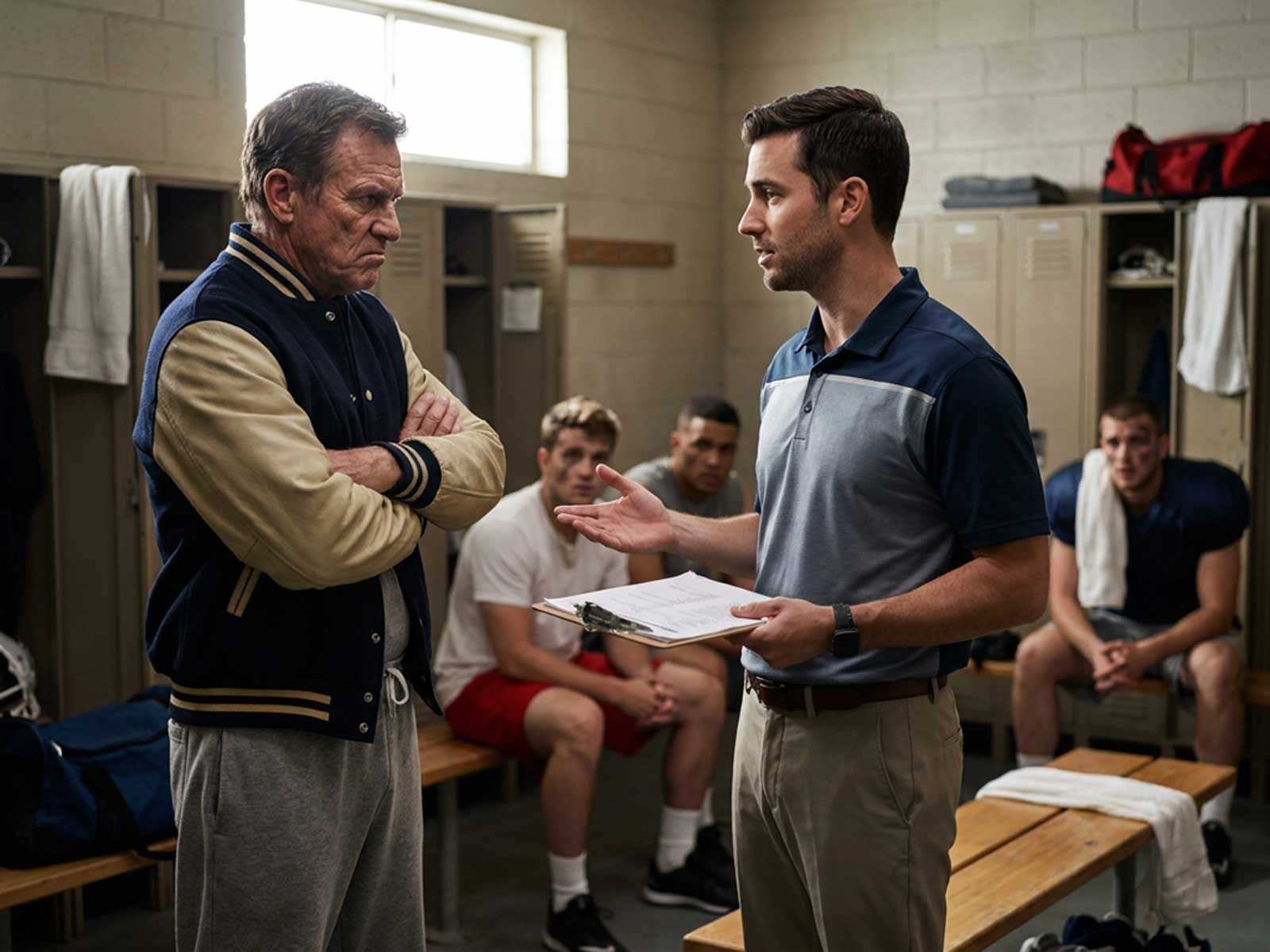
Yelling, screaming, shaming, degrading, and humiliation are the first behaviors the coach uses to mold the gymnasts into silent participants in this dance.
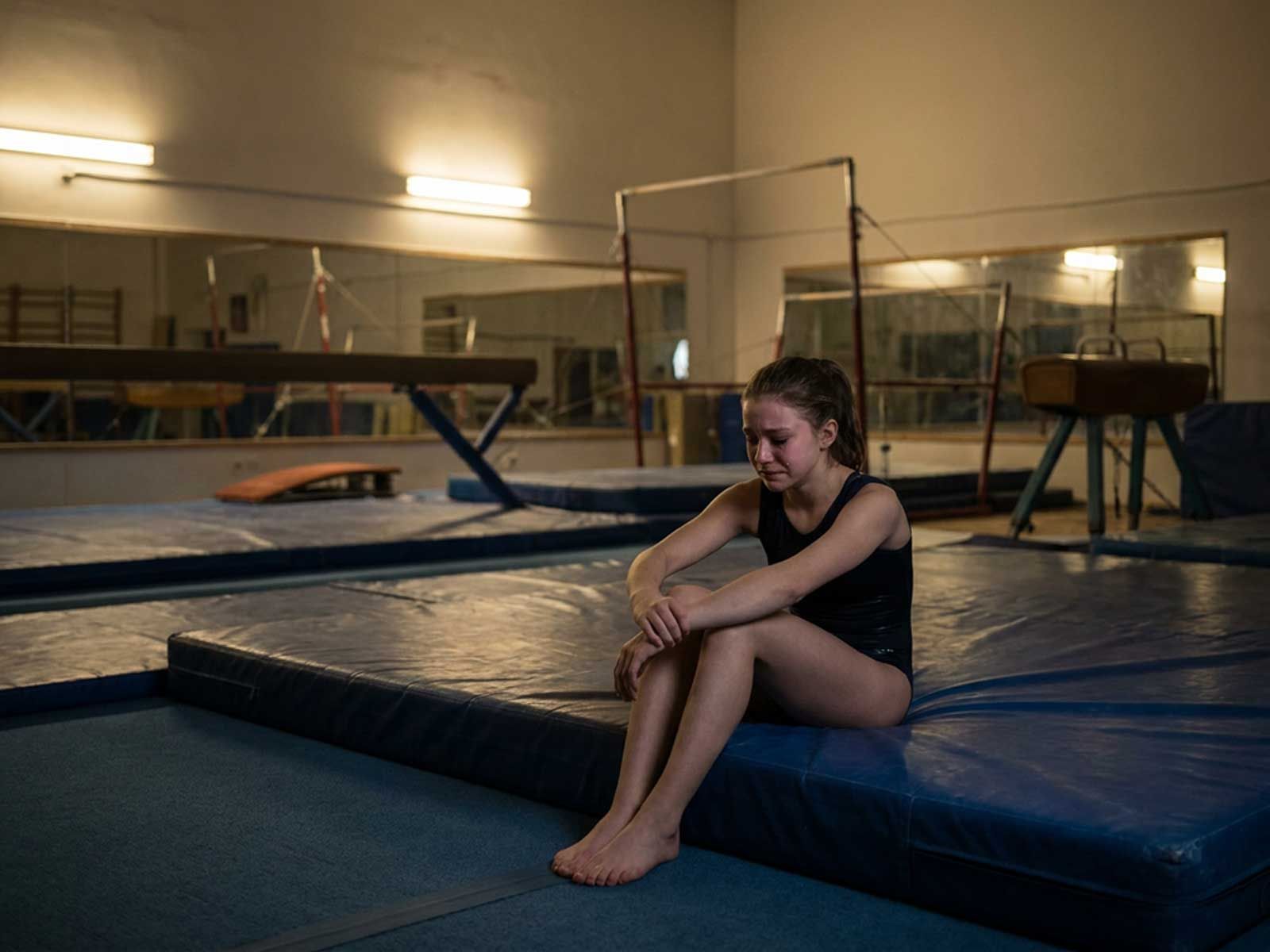
The usual response to this harsh treatment from the coach is for the gymnasts to shut down. They get quiet, turn inward, become highly emotional, cry, and get easily frustrated. They tend to make more mistakes.
This causes the coach to become even more frustrated, and, in the absence of the coaching skills or interpersonal tools needed to handle the athlete in this state, the coach becomes increasingly agitated and resorts to physical punishment.
They use rope climbs as a form of punishment and running to let the athlete know the coach is not pleased with their behavior and training. They kick the gymnasts out of the gym or send them home, the ultimate form of humiliation. They call this conditioning. I understand that conditioning is a critical component of gymnastics training. This retaliatory behavior is not healthy conditioning. It is abuse.
Some coaches stop coaching gymnasts who don't follow the rules.
The victim-abuser dynamic
Now the coach has become part of the problem. Where an athlete might have had natural fears about difficult skills or about returning from injury, the athlete's brain now sees the coach as a threat.
More and more of their brainpower is channeled into protecting themselves from their coach's wrath rather than improving their gymnastics skills. I asked one athlete who was being treated harshly by their coach how much of their mental and emotional energy was going into gymnastics and how much was going into protecting themselves from their coach. Their answer was alarming: 20% gymnastics, 80% defending themselves from their coach.
This sets in motion the victim-angry coach dynamic. The athlete becomes the victim. Has no voice. Can't speak up or defend themselves. They can't communicate fear, injuries, or concern about the coach's coaching style for fear of retaliation.
They start focusing more on avoiding the coach's anger and become terrified of making mistakes. What used to be a fun sport for them has now become an anxiety-producing experience.
I have worked with gymnasts who sit in their cars and cry before going into the gym because they are terrified of practice. I have worked with gymnasts whose coach stopped coaching them during competitions because they were so frustrated and disappointed with their performance. Not only is this unethical, but it is also dangerous.
I witnessed this dynamic in the men's program. There were instances in which scores were changed, affecting the outcomes of meets; athletes found their own sponsors and faced scrutiny for doing so; and favoritism was shown to certain athletes.
Coaches and athletes were trained not to speak up or challenge the system.
Coaches and athletes were met first with anger, then with displeasure, and finally with silence. Assignments might be taken away or not given out. A coach might miss out on an important assignment for rocking the boat.
The abuse follows our gymnasts
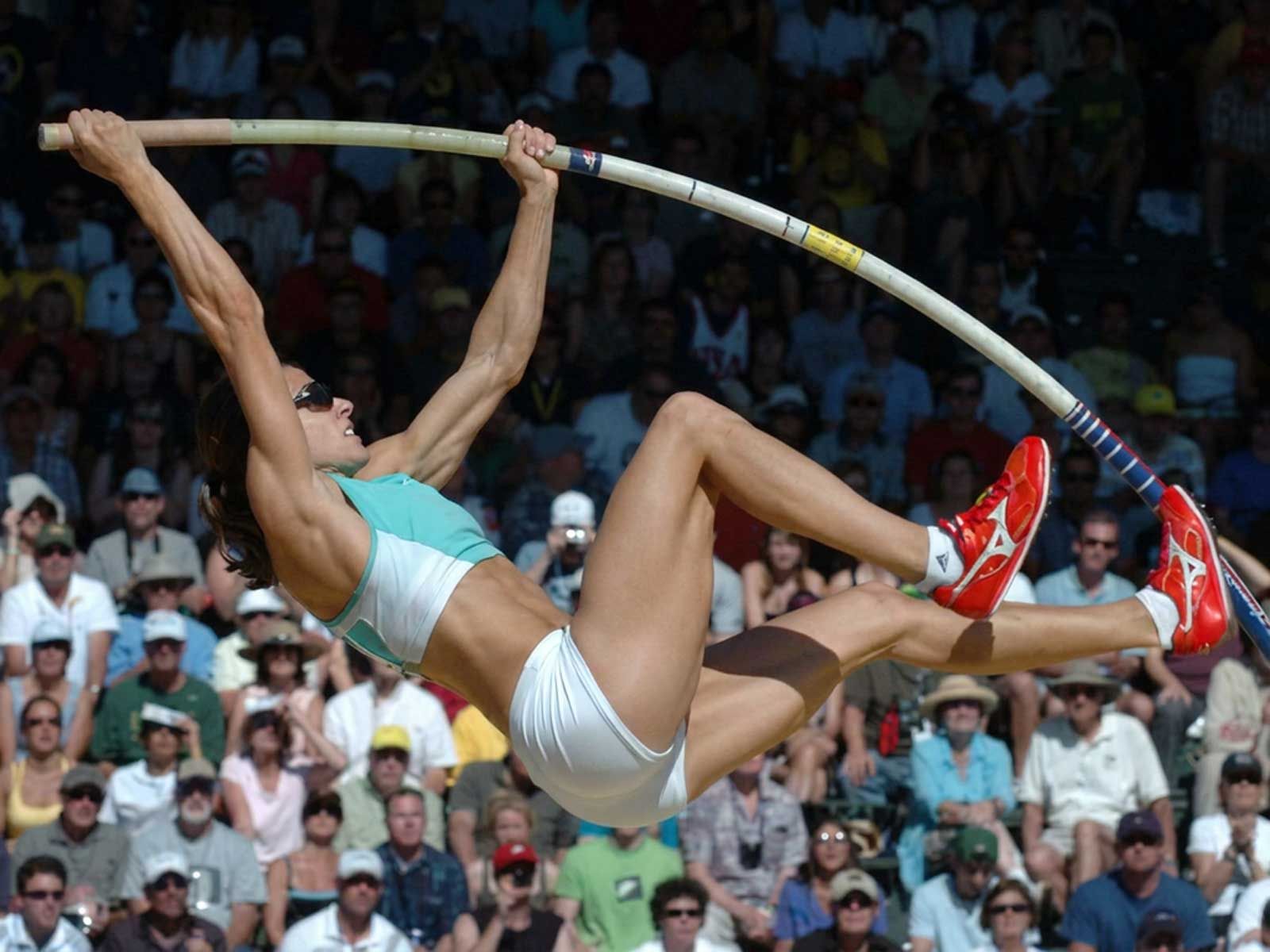
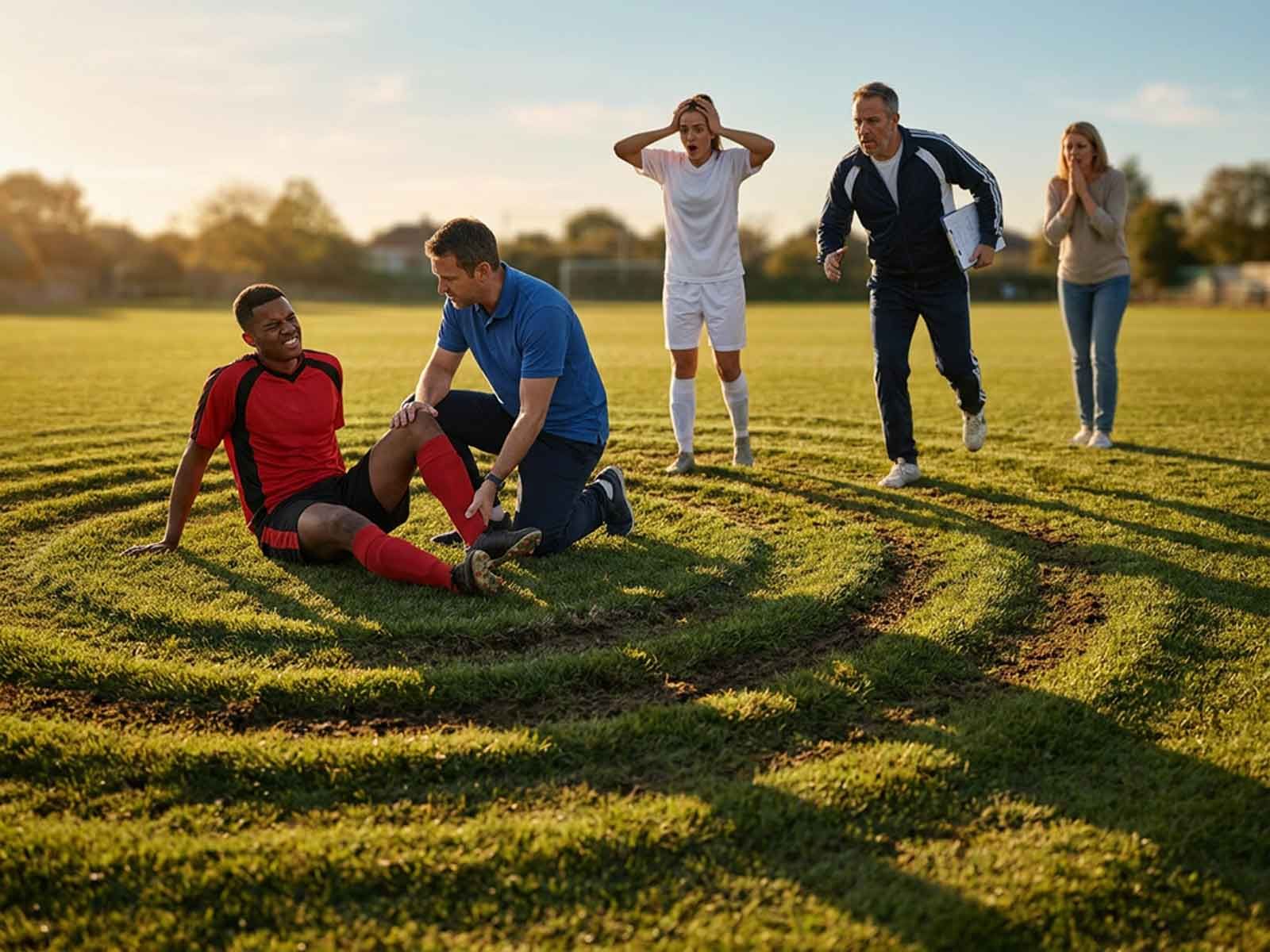
An Olympic pole vaulter that I worked with when they competed is now a pole vault coach. I had breakfast with them recently, and they asked me what was going on with gymnastics. They went on to tell me that many former gymnasts come to them to start pole vaulting. This coach told me that these former gymnasts are all the same. They are quiet, very introverted, afraid of making mistakes, afraid of being yelled at by their new coach, and afraid to let the coach know when they are injured.
This coach has spent a lot of time and energy retraining them. They have had to teach their athletes that they can speak up, be vocal, communicate with their coach, let their coach know about injuries, and, most importantly, make their new sport fun.
You see the trend...
Time for solutions!
I have been one of the more vocal advocates for change over the last five years.
I have complained enough. Now I want to suggest changes that must be made to create a new culture in USA Gymnastics.
- We must educate our athletes! They must be taught what healthy, appropriate athlete-coach interactions and relationships should look like. They must learn that they have the power to set boundaries and limits with coaches who treat them abusively. They must be taught that there is a leadership body in place to hear their voices and address their complaints and concerns quickly and efficiently. They must learn that gymnastics can be fun again.
- We must educate the silent parents of our gymnasts. Too many parents have sat back and said nothing when their child/athlete has been humiliated, ridiculed, mentally, emotionally, physically, sexually, and spiritually. These parents have been afraid to speak up for fear of retaliation against their child/athlete. Many are afraid to speak up because their coach might treat their child/athlete worse, stop coaching them, or kick them off the team. The gymnasts don't want to leave the gym because they don't want to leave their friends, even though they are being treated abusively by their coach. They are afraid to move to another gym because they might end up with another abusive coach. So the gymnast remains stuck in an abusive bind. I have recommended parents contact USAG several times over the last 10 years. I suggest they read the Coaches' Code of Conduct aloud to "leadership". One parent received the following reply to their complaint, "What am I supposed to do?"
- We must educate coaches about the new and evolving culture that so many of us want and demand in gymnastics. This must be a culture that goes beyond teaching gymnastics skills and teaches coaches about human development, personal empowerment, conflict resolution, stress management, sexual abuse, and personal accountability. Coaching workshops that address these core concepts and others must be mandatory at USAG Congress and Regional meetings.
- We must demand a leadership body that is accountable for creating safe, positive, and empowering environments for our gymnasts. I have hit the wall that has existed in the current USAG system. I have been shouted down in post-Olympic meetings for attempting to hold "leaders" accountable for their actions that led to disastrous performances by talented athletes. This has trickled down to local gyms where I have taught gymnasts and parents how to be vocal and empowered in the face of abusive coaches. I have had gym owners and coaches label me as the "bad guy" for educating these same parents and gymnasts. These gym owners and coaches no longer allow me access to their teams and gymnasts and no longer refer me to athletes. The message they are clearly sending is that they would rather continue in their toxic culture than learn and grow as a gym owner and coach. Leadership always starts at the top. Establishing a leadership body to implement this new culture will begin the trickle-down process that will eventually reach the club level. But we must educate!
A new paradigm
Working with Simone Biles showed me that this approach works. Simone and her parents have been very vocal about my work with Simone, speaking openly in Texas Monthly, ESPNW, The LA Times, The Washington Post, and other media. Simone's parents and other family members understand their role and strive to be supportive of Simone. They feed positive energy into the system. Simone's coach, Aimee Boorman, understands that Simone must be authentic to be her best. She must show up on the floor as Simone. She understands that Simone must trust her and that they must be able to work through conflict and resolve differences for Simone to reach the remarkable level of gymnastics that she has achieved. Simone's parents and coaches are not threatened by me or my feedback into the system; they embrace it and strive to make the athlete-coach-parent triangle as strong and powerful as possible.
This same systemic approach is exactly what USAG needs on a much larger scale.
I work with gyms across the United States and Canada that use this empowering approach to gymnastics. They are open to learning more. They set up workshops for their gymnasts, coaches, and parents to help continue to improve their culture.
I know of coaches in the USAG system who understand this new model for coaching our gymnasts. They understand that personal empowerment, respect, and mutuality are key to developing top athletes.
Unfortunately, I still work with gymnasts whose coaches insist on continuing to rage, scream, yell, degrade, embarrass, punish, and kick them out of the gym. In many instances, for making mistakes.
The USAG leadership merry-go-round continues to turn. Hirings and firings are commonplace.
Will we have leadership in place that is interested in creating a new paradigm and a new community-wide culture? Or will the status quo continue?
I intend to continue to be a voice for our gymnasts and educate them, their parents, and their coaches. Things have to change.