Recovery · November 2025 · 5 min read
Concussions: Invisible Injuries
By Robert B. Andrews, MA, LMFT
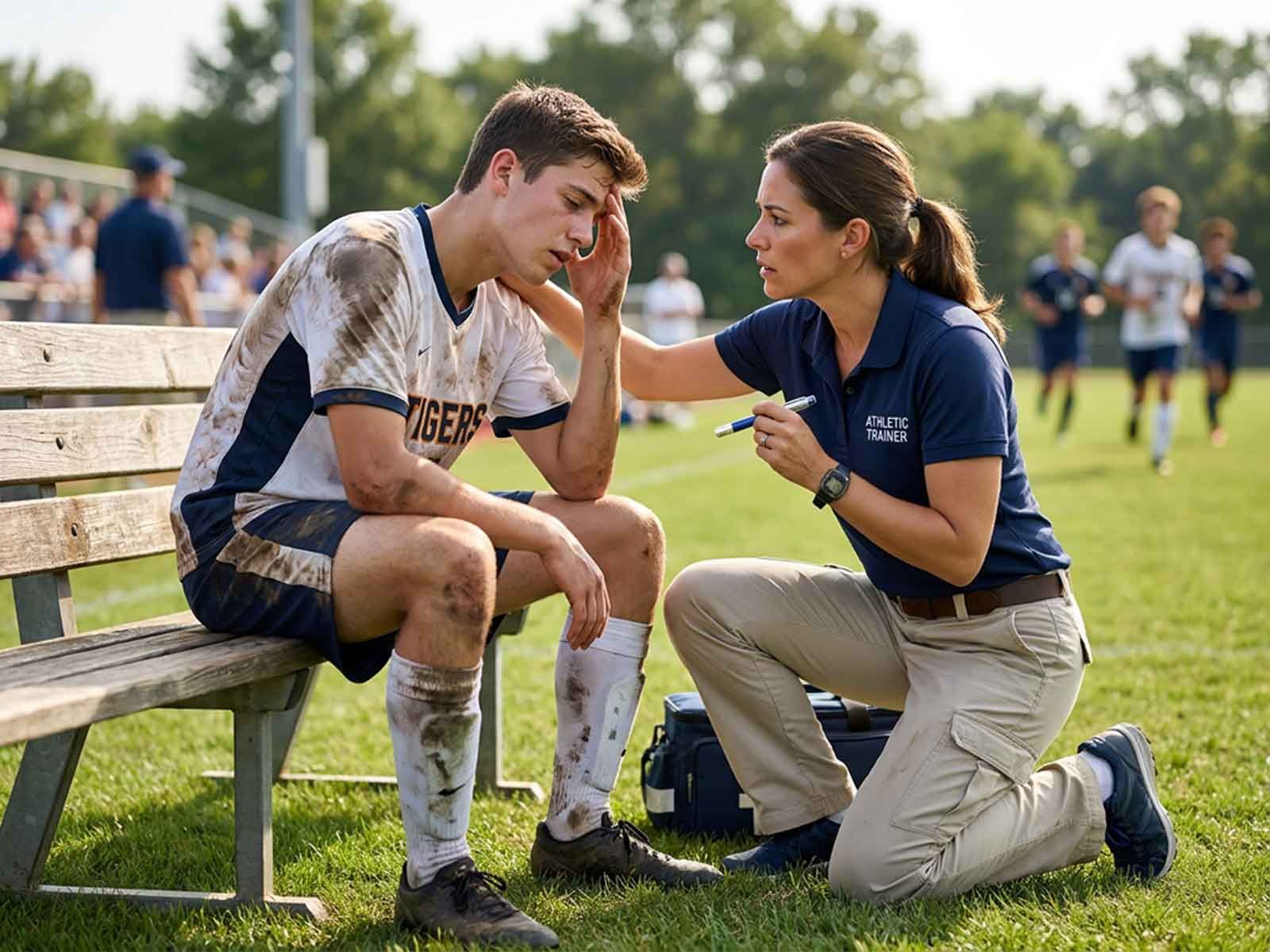
There has been a lot of attention given to the topic of sports concussions over the last few weeks. Mike Leach, the head football coach at Texas Tech University, was suspended and later fired over his alleged treatment of Adam James, a Tech player who suffered a mild concussion. Adam is the son of ESPN analyst Craig James. Recently, the NFL and Congress have created committees to discuss the treatment of concussions and the link between head injuries in sports and long-term brain damage.
Not Your Normal Sports Injury
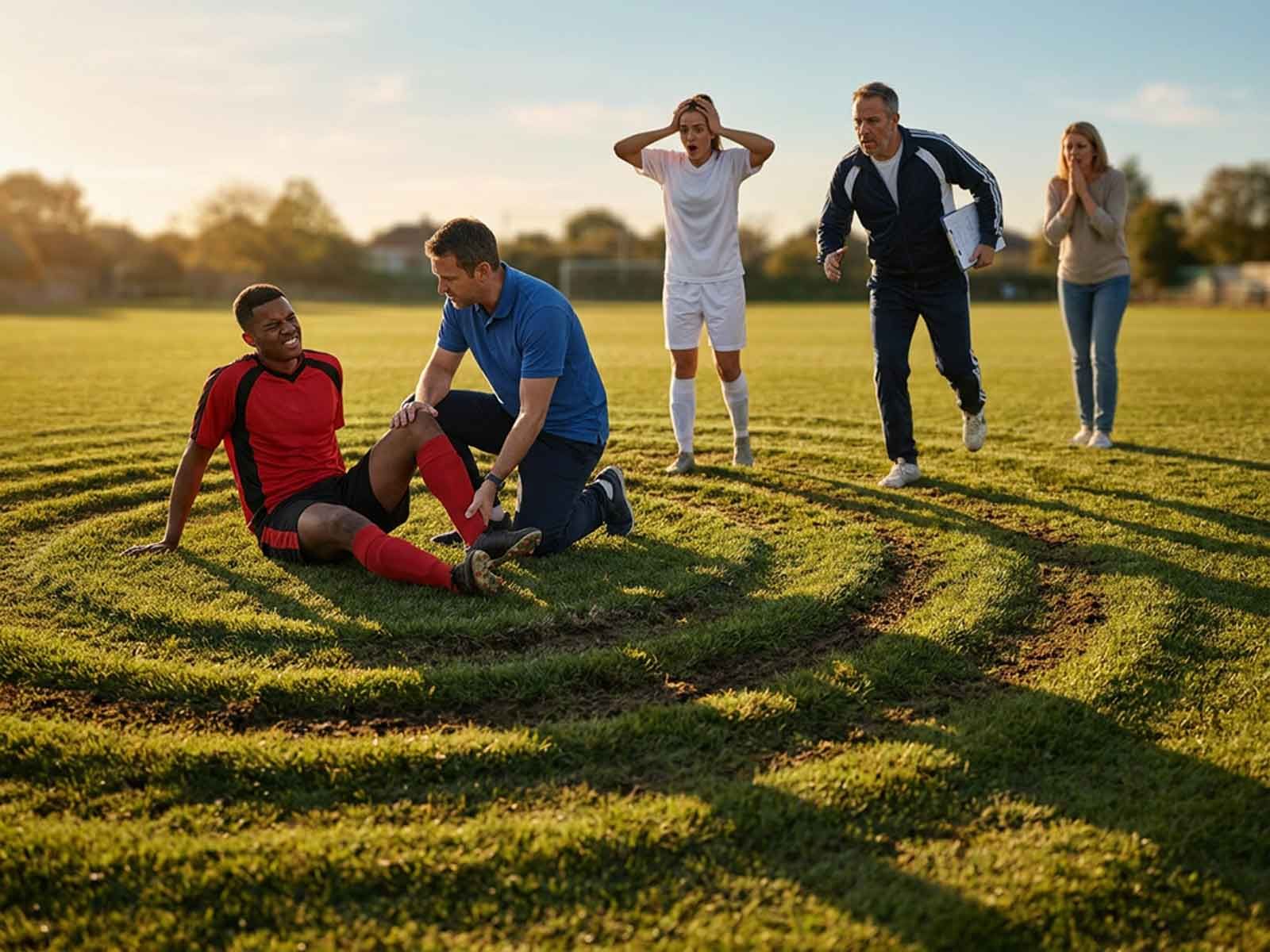
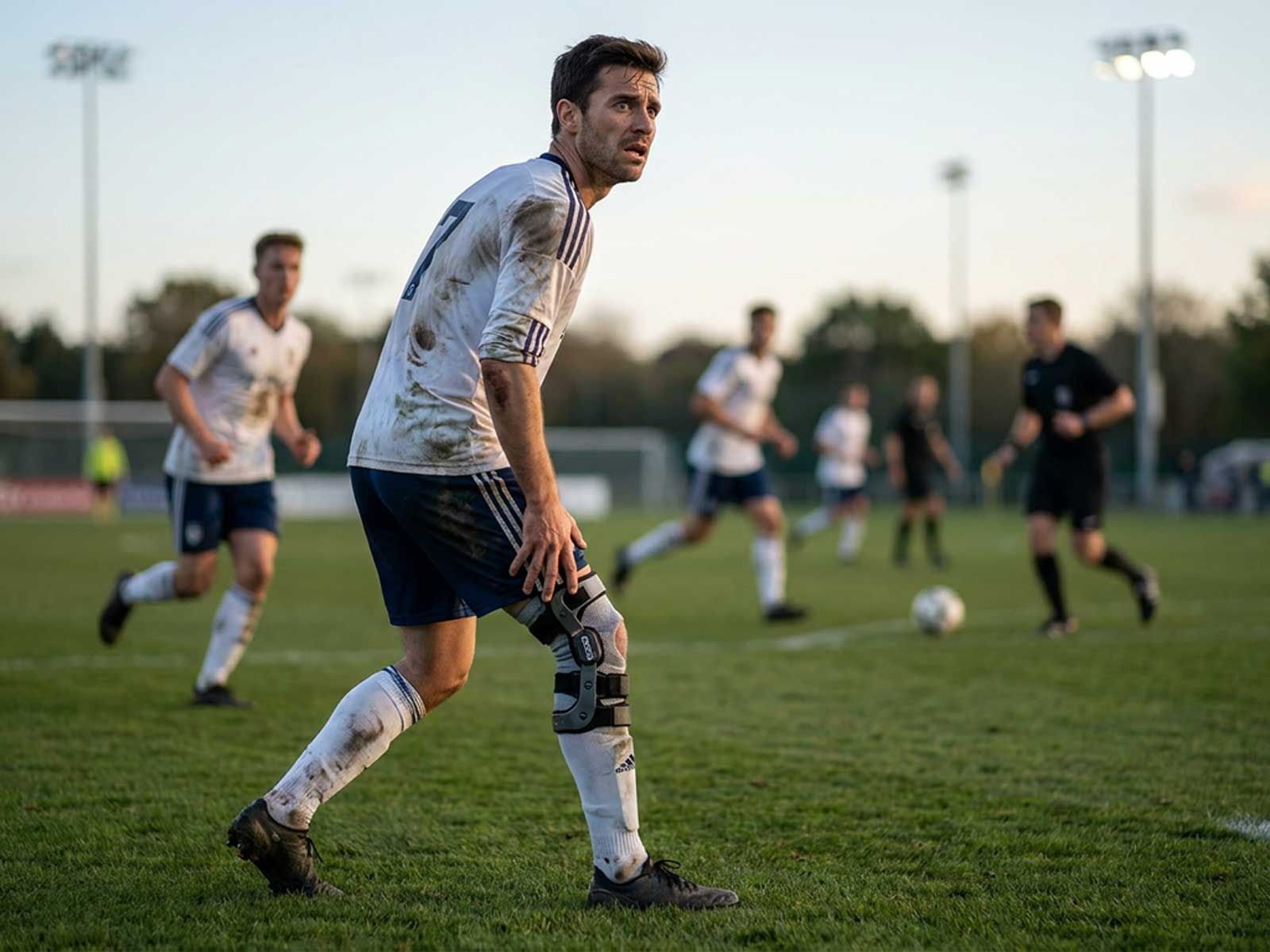
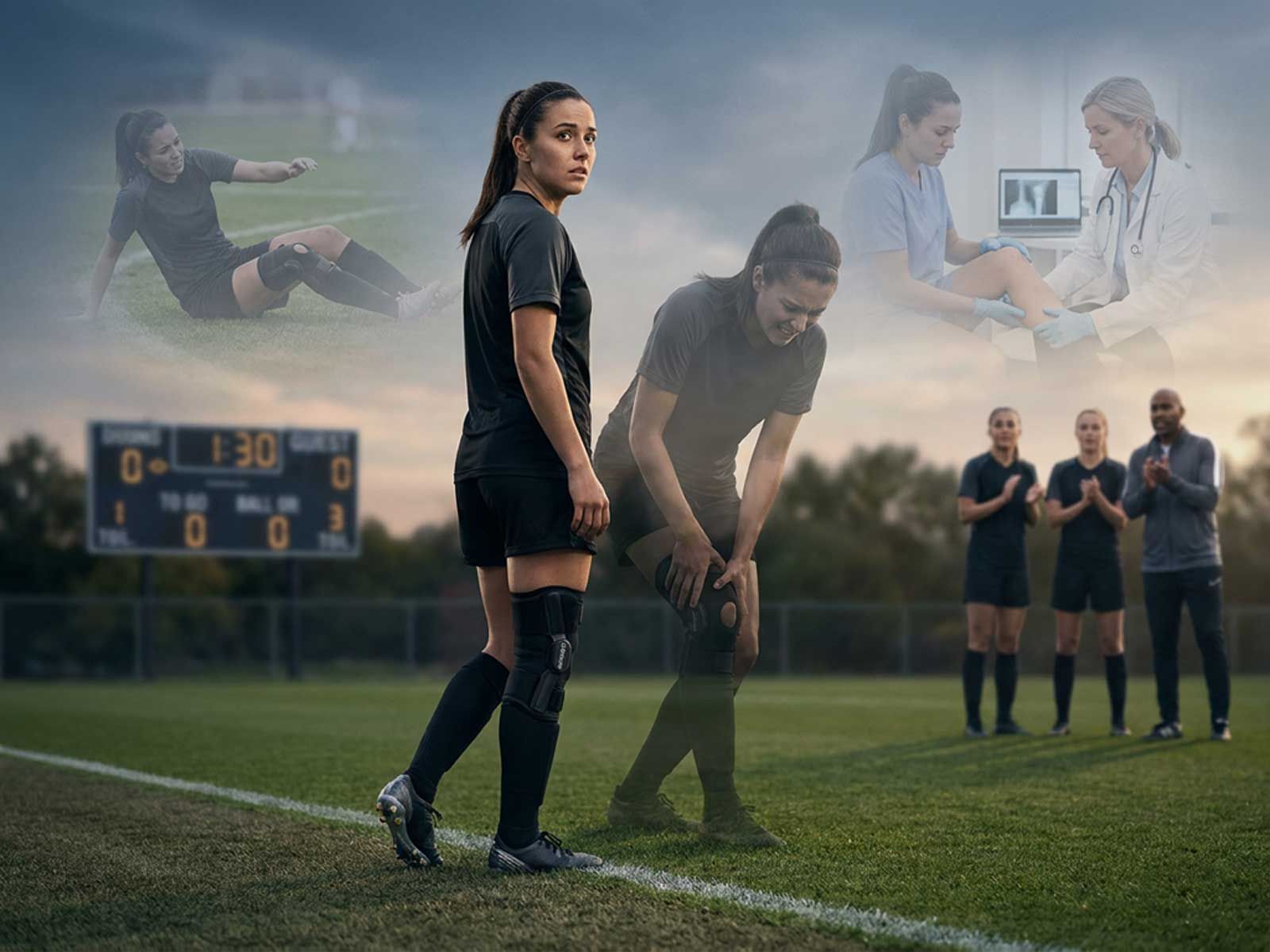
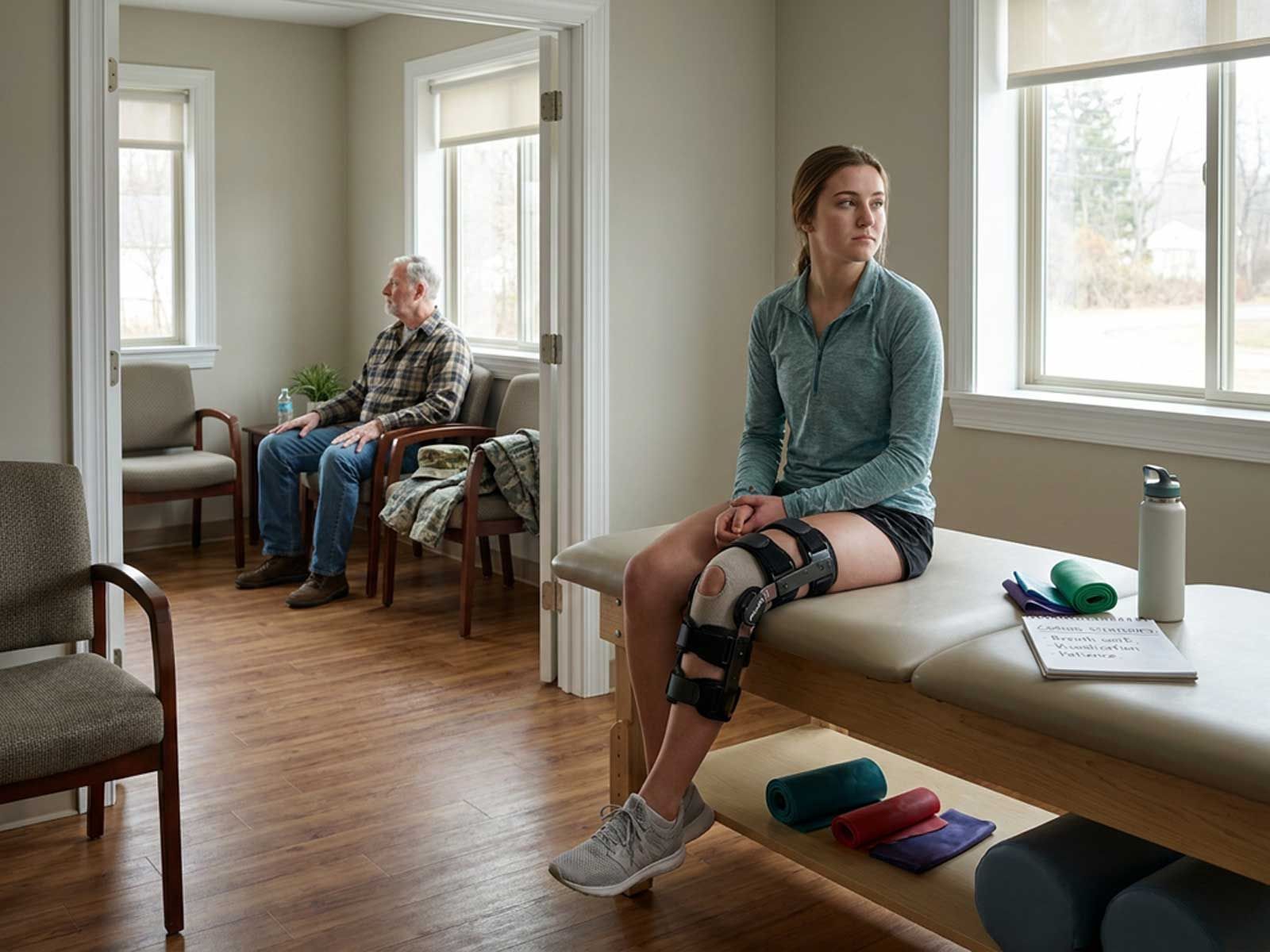
I, for one, am glad to hear this. Concussions are a different type of injury and are not as easily detected as other injuries. Unlike a knee injury, a broken arm, or a separated shoulder, there is no apparent physical evidence that anything is wrong with the athlete when they suffer a concussion. With knee injuries or other obvious sports-related injuries, crutches, knee braces, slings, or casts signal to doctors, coaches, teammates, trainers, and fans that something serious has happened to the athlete. It is obvious that rehabilitation and time are required for healing to occur and for the athlete to return to competition.
What is a Concussion?
Concussions are, in effect, bruising of the brain. When an athlete suffers helmet-to-helmet contact or hits their head on the field or court, the brain slams against the skull, which can cause bruising. The more serious the concussion, the more serious the resulting swelling and bruising of the brain tissue can be. This swelling and bruising cause memory loss, headaches, poor reaction time, impaired thinking, confusion, slow recall, and other serious symptoms.
Current Treatment
Treatment requires literally turning the brain off. Athletes are required to stay out of school and away from television, computers, video games, or other activities that create stress on the damaged brain. IMPACT testing is utilized to identify deficiencies in brain functioning. This test also shows when the athlete's brain functioning returns to normal levels. Physical activity is monitored for symptoms such as headaches, dizziness, and nausea. When the athlete is symptom-free, and testing shows a return to normal levels of brain functioning, the treating physician and athletic trainer give the green light to return to competition.
The Mental/Emotional Aspect of Sports Injuries
I believe that there is a mental and emotional component to concussions as well. In my work with injured athletes, I have found that all athletes who suffer concussions experience intense mental and emotional reactions to their experiences. In most cases, these reactions are traumatic.
I have worked with athletes who have been hit so hard they were out cold for over a minute. Some have no memory of the hit that knocked them out, but they have images in their minds that are created from what people tell them happened or what they see on game film. They talk about the terrible confusion, fear, and embarrassment they feel when they recall sitting on the bench, knowing something very serious has happened, but not remembering anything about the injury. These images are incredibly vivid and disturbing to the athlete.
Other athletes have very clear memories of the experience. They have told me what it was like to be strapped to a stretcher, immobilized, and taken by ambulance to the hospital. I have heard numerous stories from athletes who returned to play, threw numerous interceptions, and were booed off the field. These experiences are filled with incredible intensity and profoundly impact the athlete's mental and emotional state.
These same athletes also tell me about coaches, teammates, and fans who tease, ridicule, and humiliate them for sitting out of practice and games.
Sports injuries, particularly concussions, are never just physical in nature. When we create a space for the injured athlete to tell their story and help them process and integrate the psychological impact and trauma of the concussion, athletes get better. Their "lights turn back on." Their minds are clear, and their self-confidence returns.
Now imagine Adam James standing in a dark shed for three hours, unable to sit down or lean against anything. What was the message being sent to him and other Tech athletes who might suffer a concussion? I can't imagine anything therapeutic coming from this type of treatment. Imagine the pressure on athletic trainers to follow orders that demand this type of treatment for an athlete. Sadly, this story sounds like so many other stories I have heard about the treatment of a concussed athlete. This treatment was meant to humiliate, degrade, and punish Adam for sitting out of practice with a concussion.
Time For Change
It took Adam, the son of a high-profile, nationally recognized sports analyst, to bring attention to the treatment his son endured after suffering a concussion.
Along with the NFL playoffs, bowl games, and the BCS National Championship, the eyes and ears of the sports world are now focused on the treatment of athletes who suffer concussions. I am elated to hear that mandatory guidelines are being put in place by the NFL for teams to follow when providing care for athletes who suffer a concussion. I hope the NCAA and high schools throughout the country follow their lead.
These injuries are real and very serious. The athlete who suffers a concussion deserves to be treated with the same care and dignity as any athlete who suffers any other type of sports-related injury.