Peak Performance · January 2026 · 5 min read
Mental Toughness and Mindfulness in Sports
By Robert B. Andrews, MA, LMFT
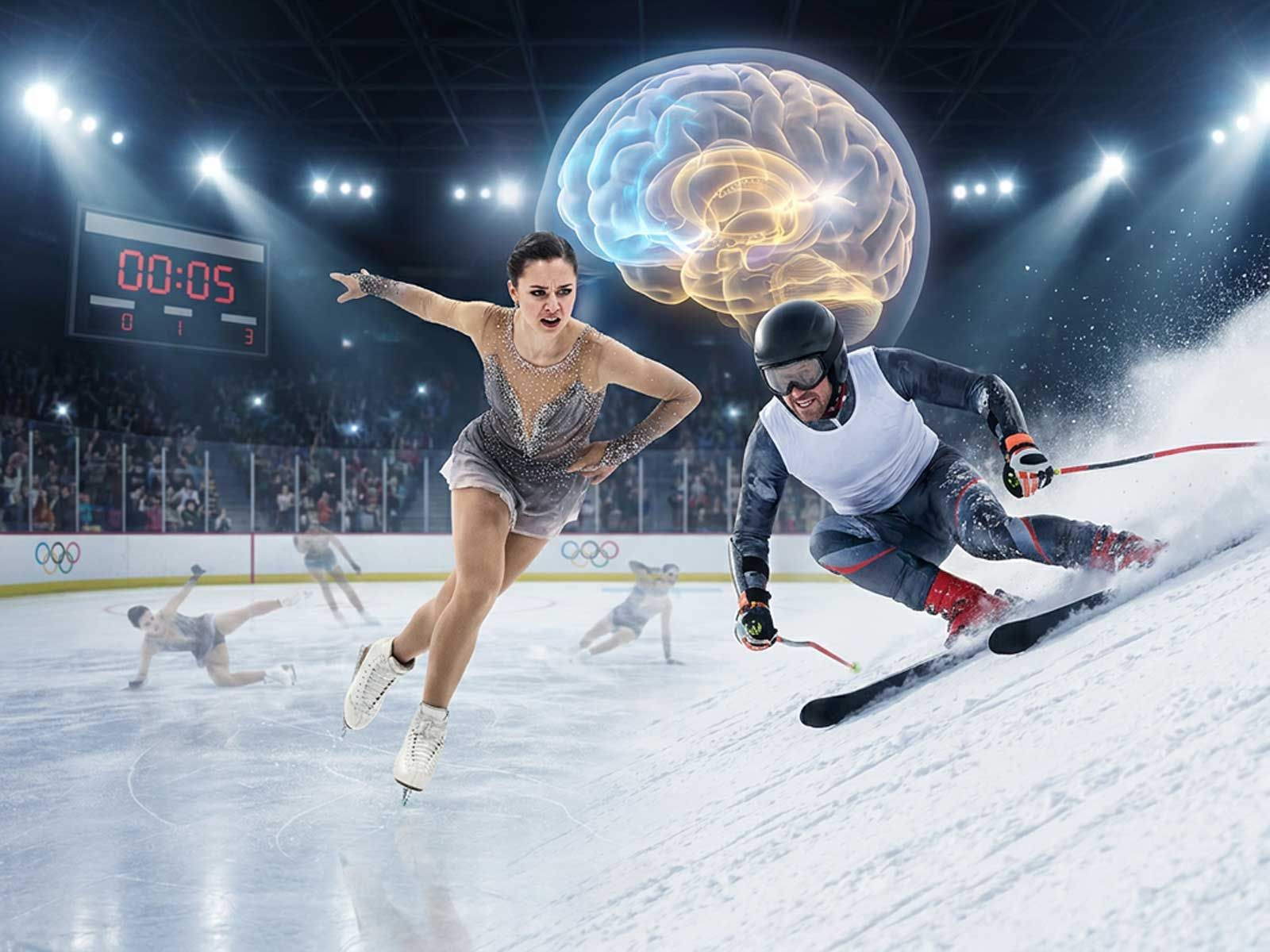
For many athletes, reactions to stressful events during training, competitive pressures, and off-field issues trigger an intensely destructive response. This reaction can be so intense that it severely impairs performance, impairs one's ability to focus, and depletes self-confidence. For many, it feels as if a wave of nervous energy and emotion has taken over their minds and bodies. When something goes wrong, negative responses rise, and performance often suffers. These "Reactive Habits" can be avoided by becoming mindful or aware of how the athlete reacts to stress.
Reactive habits are old programs or ways of responding that often undermine performance. Many basketball players get animated and dramatic when they think a ref has made a bad call. They throw their hands up in the air, stomp their feet in anger. Some charge at the official in a disrespectful, intimidating manner. A baseball or softball player might hang their head, look at the ground, and show poor body language as they walk back to the dugout after striking out.
For many athletes, this reactive habit can be an internal reaction. Their emotional intensity grows, their stomachs knot, their blood pressure rises, and their thoughts turn negative.
If the athlete has responded this way for a long time, their reaction can become their default or norm when things go wrong. They have little or no control over the reaction or its intensity.
Mindfulness – changing reactive habits
Mindfulness is an awareness of what we are doing when we are doing it. Athletes who fall into reactive habits are mindful when under stress. They are at the mercy of these destructive habits. Becoming mindful creates a pause between the stimulus that occurs and the athlete's reaction to the event.
Viktor Frankl, a WW II Holocaust survivor, author, and artist, wrote the following profound quote:
"Between stimulus and response, there is a space. In that space lies our freedom and power to choose our response. In those choices lie our growth and our happiness."
Translated into sports
"Between events that occur in the life of the athlete, there is a brief pause or space of time. In that pause or space, we can choose how we respond to the event. Those choices decide if we succeed or if we struggle."
When an athlete makes a mistake, is called out by a coach, or sees a teammate go down with an injury, mindfulness serves as the third-person observer, helping the athlete become aware of their response to the stimulus. Noticing emotions welling up, poor body language, withdrawal, anxiety, frustration, increases in heart rate and blood pressure, or negative thinking will help the athlete recognize the reactive habit he is building.
Quieting the inner storm
Nature gives very clear signals that a storm is coming. Dark clouds, wind, temperature changes, thunder, and lightning all tell us that a storm is imminent. We take action to get out of harm's way.
Every athlete has "warning signs" that signal their internal storm or reactive habit is building. Biting nails, stomach tightening, changes in body language or facial tone, anger and frustration, becoming quiet and withdrawn, and overthinking are all signs that the storm is building and the reactive habit is taking over.
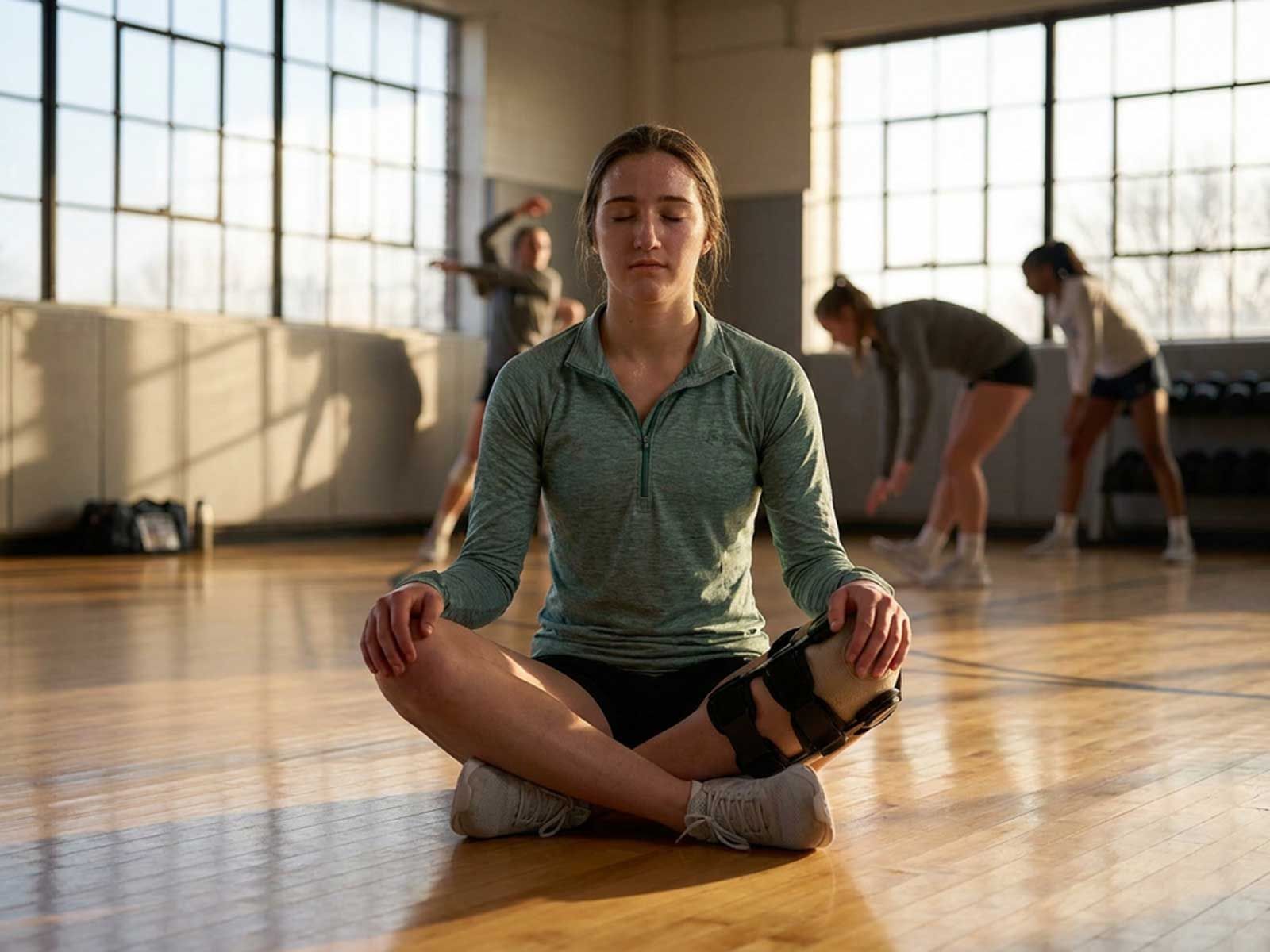
Becoming mindful of these warning signs helps the athlete recognize the space between stimulus and response. Breathing, correcting negative thoughts and attitudes, calming emotional responses, and making smarter, better choices help quiet the storm before it damages confidence, impacts performance, or affects team chemistry.
Noticing when the athlete is exhibiting their specific warning signs creates awareness for change. We can't change anything if we aren't aware of what we need to change. Learning how to acknowledge the reaction is the secret..."I am getting frustrated," My mindset is changing," "My heart rate is getting faster," "I am getting quiet and shutting down." Becoming mindful honors the space between stimulus and response, and with practice, the athlete creates positive reactive habits.
Creating positive reactive habits helps the athlete stay mentally and emotionally centered. The centered athlete consistently performs at a high level. They connect to their sport with focus, determination, and passion. It is hard to knock them off balance, both mentally and emotionally. They learn how to stop being the victim of stressful events and approach challenges head-on. They build confidence and have a strong self-concept.