Recovery · October 2010 · 5 min read
Sports Injuries and Shame - What's Wrong With the Athlete Who Needs Help?
By Robert B. Andrews, MA, LMFT
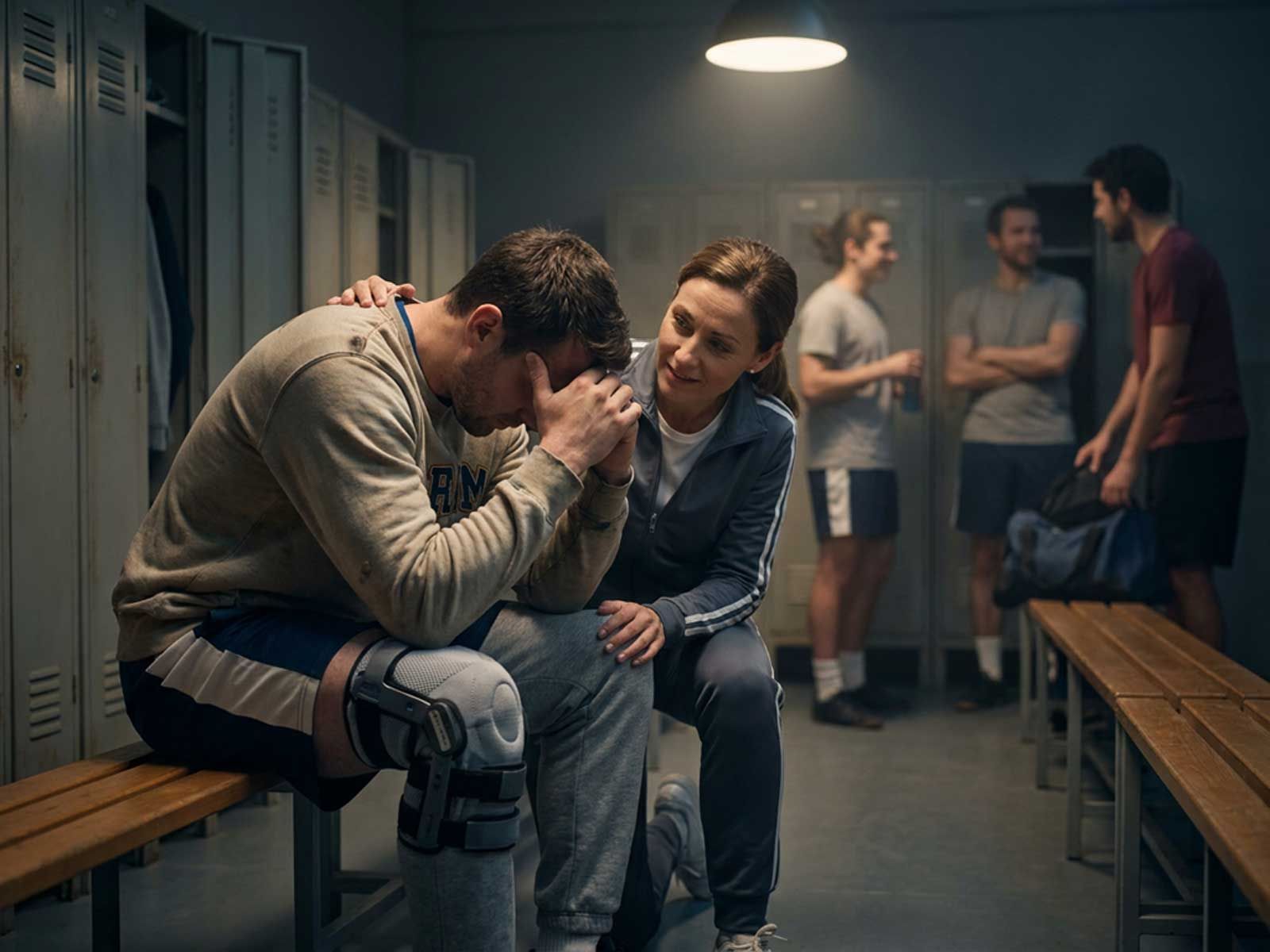
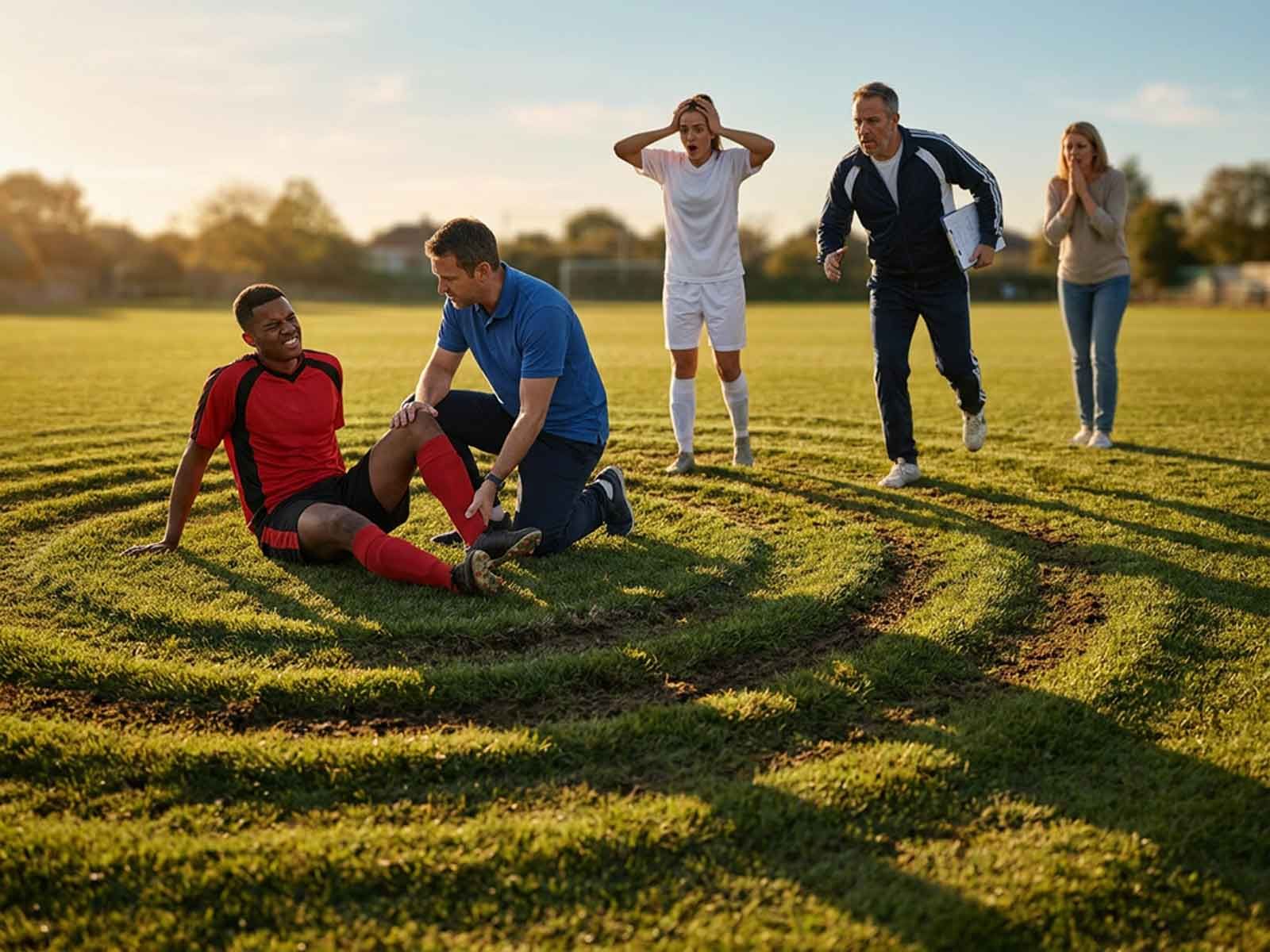
I frequently receive emails and phone calls from athletes or their parents inquiring about treatment for sports injuries. These athletes have suffered numerous sports-related injuries. Some of these athletes have suffered other complications during their recovery. Many suffered a serious injury, and then several other injuries tried to come back. Many are contemplating giving up their respective sports.
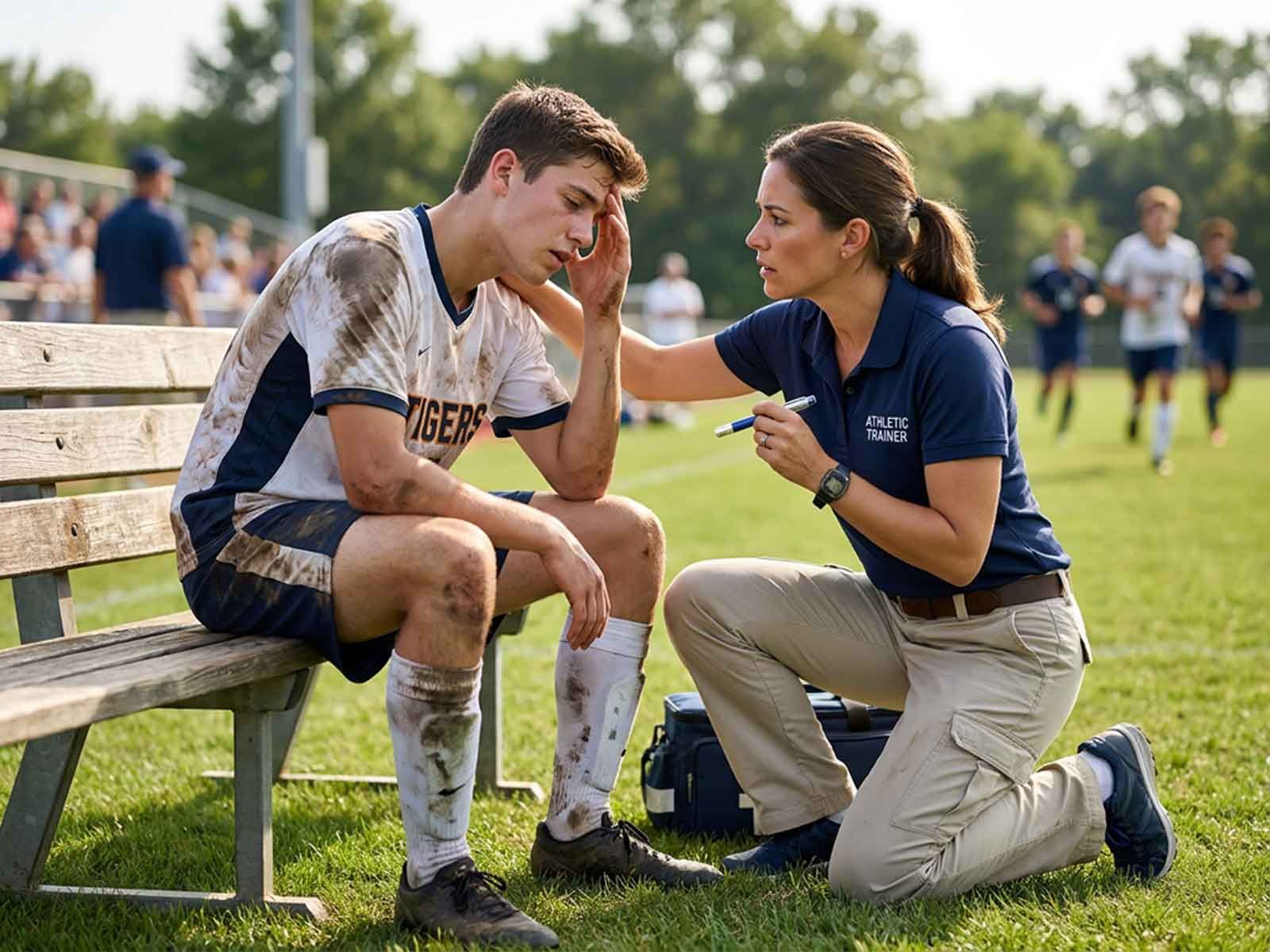
I always explain to the athlete or their parent how these injuries affect the athlete at the conscious and unconscious levels and how they can be helped. Most of the time, I get to work with the athlete and experience the joy of seeing them work through the traumatic nature of their injury. They bounce back in a profound way. The athlete, their family members, coaches, and trainers are elated.
Every now and then, an athlete or parent just kind of disappears and never returns phone calls or emails after the initial consultation. Sadly, I don’t get the opportunity to help these athletes. The reasons are: money, time, "we are going to see how he/she does for a while," "not sure we want to go that route," and so on. It is always sad and disappointing when I am not given the opportunity to help athletes like these. I always ask myself, "How bad does it have to get for these kids?"
Money is certainly a legitimate reason, especially in our tough economic times, and I want to address another underlying reason that I see standing in the way of treatment and negatively influencing sports injury recovery.
Sports injury in the news
Over the last few weeks, there have been many sports-related injuries in the news. Locally, rookie Ben Tate and Conner Barwin of the Texans went down with season-ending ankle injuries.
- Case Keenum of the University of Houston, a Heisman hopeful, suffered a concussion one week and the following week suffered a season-ending ACL injury
- Anthony Rendon of Rice University, the College Baseball Player of the Year, broke his ankle playing for Team USA after suffering a season-ending injury on the same ankle last year
I read about a high school football player from the Houston area who broke his neck in a game. He sat on the sidelines for forty-five minutes before anybody realized that he had a broken neck. He was centimeters away from being permanently paralyzed.
Reggie Bush, under incredible stress, embarrassment, and humiliation, gives up the Heisman Trophy he won in 2005 because of his issues while at USC. The next week, he broke his leg. There are numerous research studies that show a very clear connection between increased levels of stress and pressure from outside distractions and an increase in sports-related injuries. Kevin Kolb, a former University of Houston student, suffered a concussion while playing for the Philadelphia Eagles and lost his starting spot to Michael Vick. The media hounded Kevin for his play and made Vick sound like the savior of the Eagles' football team.
If you read between the lines, I believe you will hear and feel the powerful psychological impact that all of these athletes experienced when they suffered an injury. They all have to deal with stressful issues, both related to and unrelated to sports, all while trying to return to play and make a comeback.
All of these athletes will have to take time off to recover. Some will need surgery and rehab. The lucky ones will be able to come back. The football player in the neck brace who came so close to permanent paralysis suffered a career-ending and life-changing injury. Case Keenum’s future is in doubt because of his injuries.
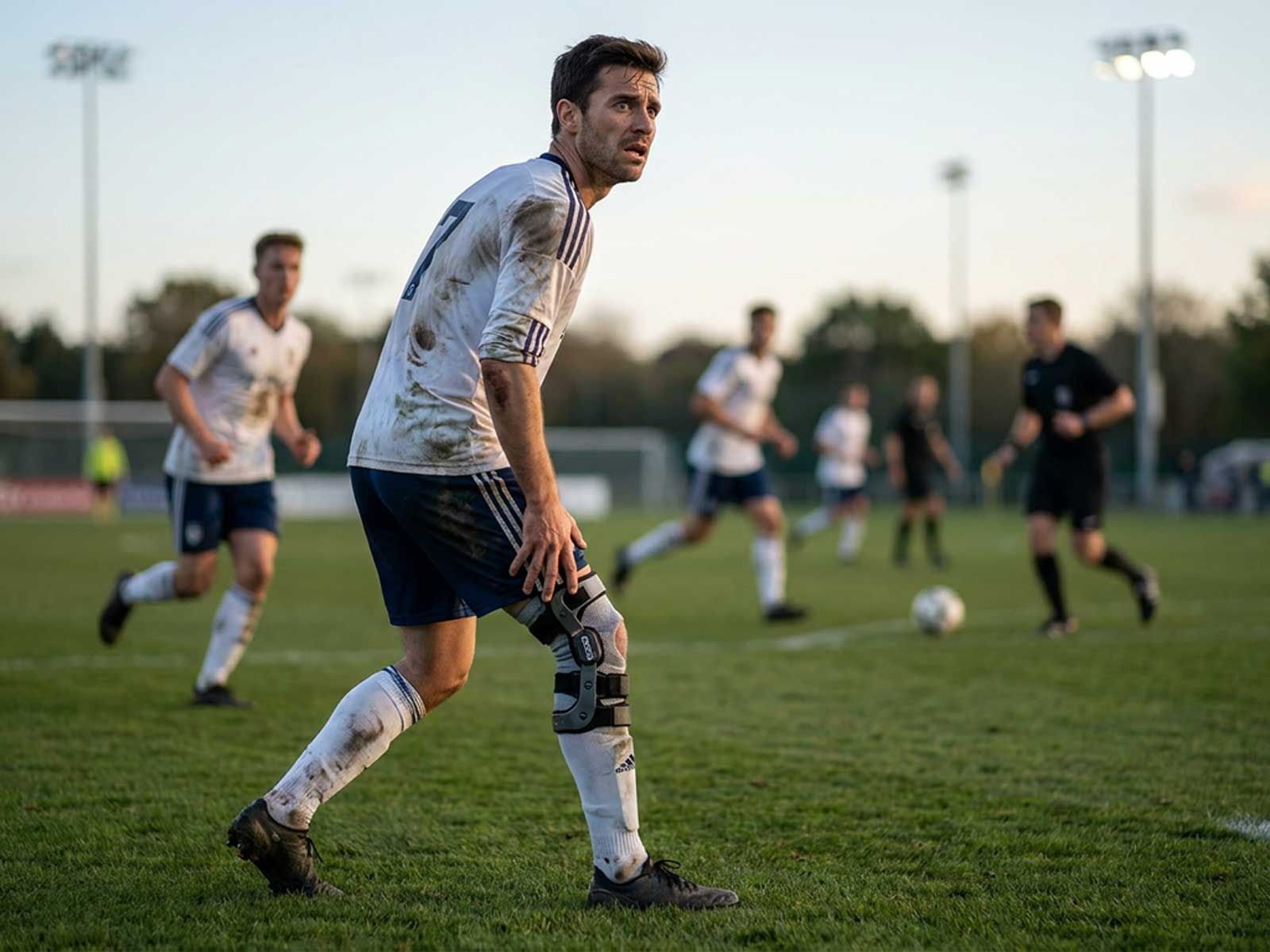
I read that Owen Daniel, the Texans tight end who was coming back from a torn ACL suffered last season, was so nervous before the first game that he was shaking during warm-ups. Some of that shaking could have been from healthy excitement about his return to professional football. But my training tells me that, consciously or unconsciously, he was terrified and wondered how his knee would hold up. Fear of re-injury is a huge obstacle to overcome when athletes first step back on the field.
Sometimes I get very frustrated when I receive emails like the ones I mentioned and am not given the opportunity to help these athletes. The frustration comes from not being able to help these kids when they were first injured. I also feel sad that it has taken this much pain and suffering before mental and emotional support and assistance are considered.
The psychological impact becomes cumulative
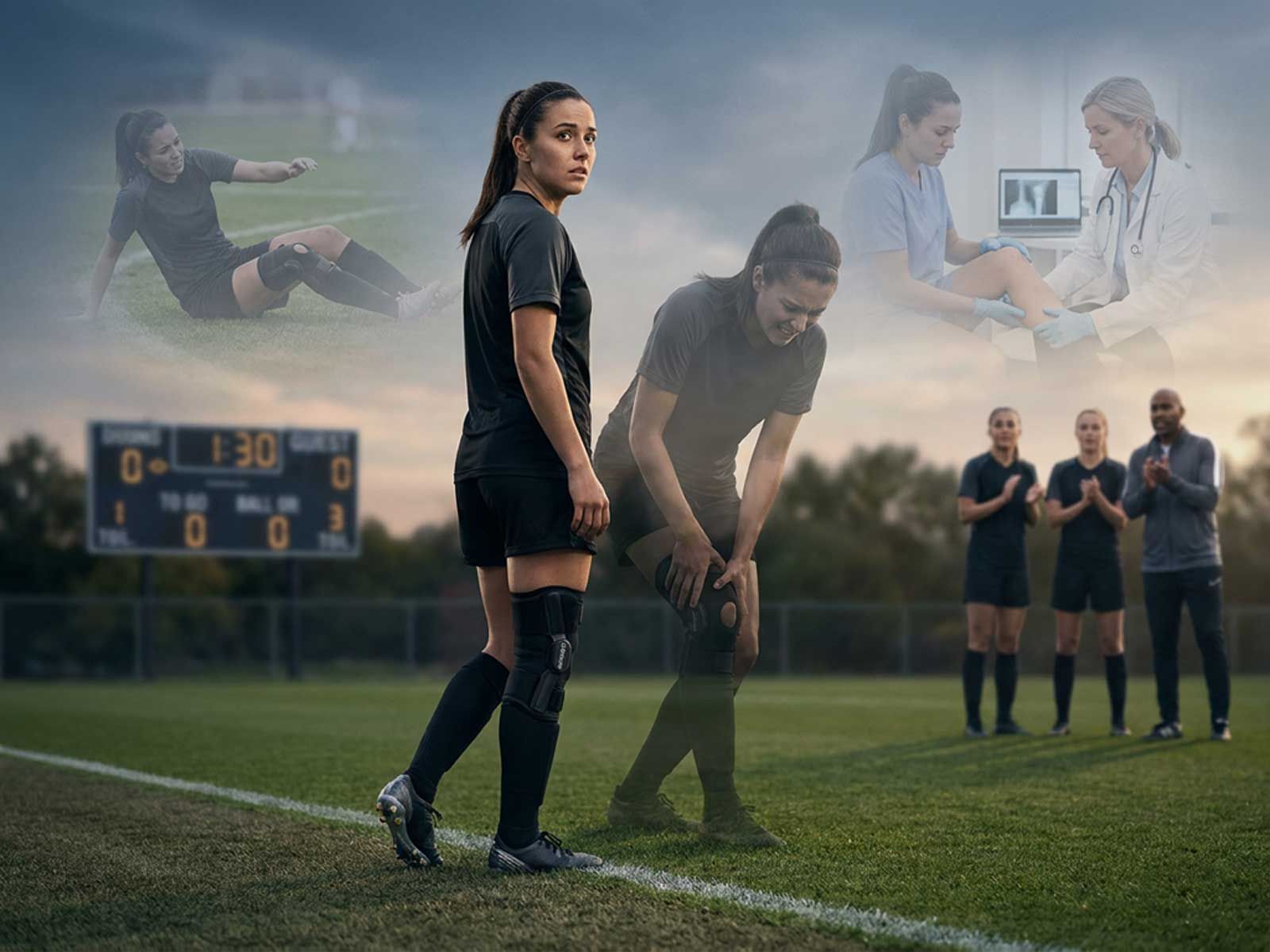
The mental and emotional trauma builds up one injury on top of the other. For some, the sense of overwhelm is so powerful that the kid says, "I am done." Many go out and experience another injury. All play and attempt to hide the fear, anxiety, and sense of overwhelm. So what keeps athletes, parents, coaches, and trainers from getting athletes the help they need to overcome the mental and emotional impact of their injuries? What I hear most often is money. In our economy, financial struggles are very real.
Could there be another reason?
The answer is yes. Shame is a belief that something is wrong with an athlete who needs help to overcome their injury-related trauma. This shame is also experienced by many parents of athletes if their son or daughter is injured and needs help. It carries a negative stigma and is seen as a sign of weakness and a reflection on the athlete and those in his or her system.
When I was in high school, I suffered a concussion, separated my shoulder, broke my arm, and suffered a severe knee injury where I tore three of the four knee ligaments and cartilage. In college, I separated my shoulder again. With each injury, I moved farther and farther away from a confident, outgoing, fun-seeking kid and closer and closer to a less confident, anxiety-filled, pain-avoiding athlete trying to act like everything was fine but terrified of being injured again. It had a very dramatic impact on my personality.
Sometimes I get frustrated at not being able to help an athlete. Either they don’t want to come in, or coaches, parents, and trainers fail to take the critical action I see as necessary to help an athlete get the help they need.
I know that I have to do a better job of educating parents, coaches, athletes, doctors, and trainers. My mission is to help these athletes overcome the psychological impact of their injuries. To make this happen, I have to continue educating and doing my part to shift this paradigm.
There is good news on my end. I work with USA Gymnastics, many NFL and Major League baseball players, Olympic gymnasts and track & field athletes, USA judo and weightlifting athletes, and high school and college athletes from all across the country. This treatment model is being integrated into these systems.
With each athlete I work with, I know there is one more athlete, teammate, parent, family, coach, doctor, and trainer who has expanded their knowledge and awareness of the psychological impact of sports-related injuries. They see how beneficial treatment can be for the athlete and those in the athlete's system.