Mental Toughness · December 2012 · 4 min read
Help I Can't Tumble! Working Through the Mental Blocks to Tumbling
By Robert B. Andrews, MA, LMFT
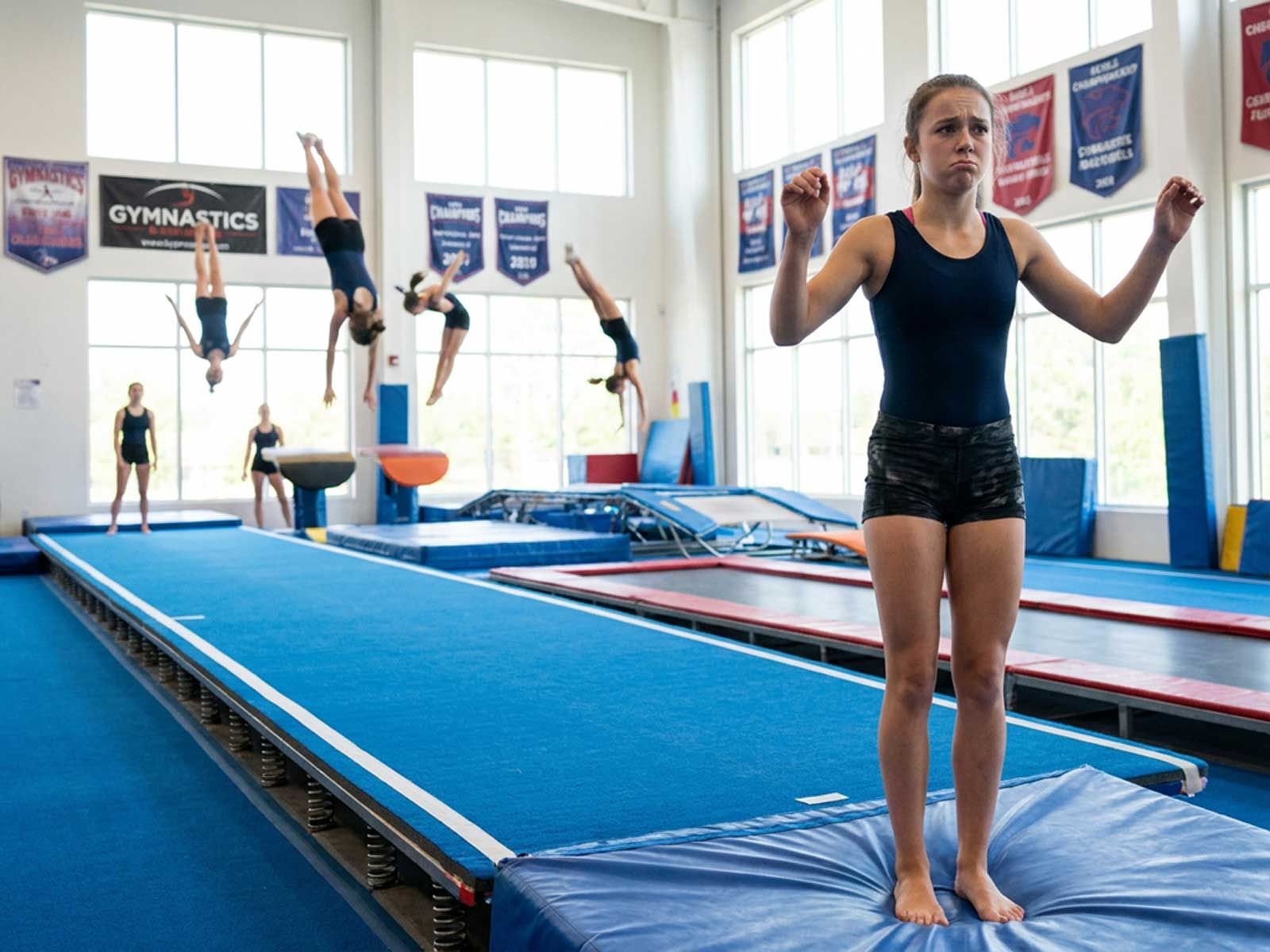
This time of year, I receive many calls from gymnasts and cheerleaders, or their parents, about one common problem. The gymnast or cheerleader just flat-out can't backward-tumble. No matter how hard they try or how much they want to tumble, they just can't. By the time they reach me, they have been through extended periods of frustration, anger, grief, and embarrassment.
Parents and coaches are frustrated, too. They have tried "everything," and nothing has helped. Parents have spent all kinds of money on "privates," and coaches have tried being nice, yelling, spotting, not spotting, giving the athlete time off, kicking them out of the gym, or threatening to demote them to a lower-level team. Nothing seems to work.
Sometimes, this tumbling block goes on for years. Many leave their sport because they can't overcome the blocks and have grown weary of the mental and emotional toll of being unable to tumble. Self-confidence is eroded, families are devastated, and coaches are at a loss.
In most of these cases, there are different issues at work that create the block and cause so much misery. I usually see one or more of the following problems:
- The athlete has suffered a serious injury related to their sport. This injury is usually caused by a fall. The injuries I usually see are knee injuries, back or neck injuries, broken arms or hands, or concussions.
- The athlete has witnessed a teammate or another person experience a serious fall or injury.
- The athlete is overwhelmed by stressors, whether related to the gym or not, such as family problems, issues with a coach, bullying, school struggles, and others.
The first thing to understand in each case is that the athlete wants to tumble. Their brain just won't let them. A primitive part of their brain has taken over their body's functioning, and it will not let them tumble. The brain interprets tumbling as a threat to the athlete's safety and well-being and, as a protective mechanism, shuts down the body's ability to tumble. The inability to tumble is a cry for help. The brain is saying it is overloaded and needs help processing all the information it is struggling with.
Pressure from coaches and parents only intensifies the problem and worsens the symptoms. Constantly asking or saying "why can't you tumble?", "Just do it", yelling, and kicking the athlete out of the gym does nothing to help the athlete through the problem.
The good news is that there is a way through this issue
It takes hard work, but change can take place. By teaching the brain how to process the original threatening experience, the fall or the injury, the primitive part of the brain turns control back over the neocortex, the part of the brain that handles "regular" or normal activities. This is done by using two specific processes that accelerate information integration and processing in the brain. Eidetic Imagery and Eye Movement Desensitization and Reprocessing (EMDR). These two processes work with the negative images in the athlete's mind and teach the brain and nervous system to process emotions, sensations, pain, light, sound, and, most importantly, fear associated with the key event very quickly.
If the lack of tumbling comes from the "system" being overloaded, meaning the athlete's brain is trying to handle too many things at one time, the work is different. We focus on identifying stressors and teaching life skills and techniques to manage them. This allows the brain and nervous system to calm down.
In some instances, EMDR work is also done to accelerate this process. There is hard work involved for the athlete to get better and return to tumbling. It takes openness and vulnerability to work through the fear, self-doubt, embarrassment, and shame that they have experienced. The more open an athlete is to me and the more willing they are to be vulnerable with their fears and self-doubt, the better the results.
This process is very powerful, but there is also a responsibility for the athlete to work hard on their mindset. The thoughts, attitudes, and perceptions that they allow into their mind play a key role in this process. They must train their minds to be positive. If they don't, all the hard work we do will not result in them recovering the ability to tumble.
At the end of this process, the athlete can return to their sport, free of the mental blocks, shame, and embarrassment that accompany being unable to tumble. Tumbling becomes fun again, and that is the most rewarding part of my work with these athletes.
These athletes desperately want to tumble again, to be part of their team, and to do the skills they used to love and could do without thinking. Returning to that free place in their minds again is life-changing. By learning to work through these blocks, they access parts of their personalities they might never have reached if the blocks had not arisen. They return to their sport wiser, smarter, more mature, and grateful to be able to participate in their sport again with passion.